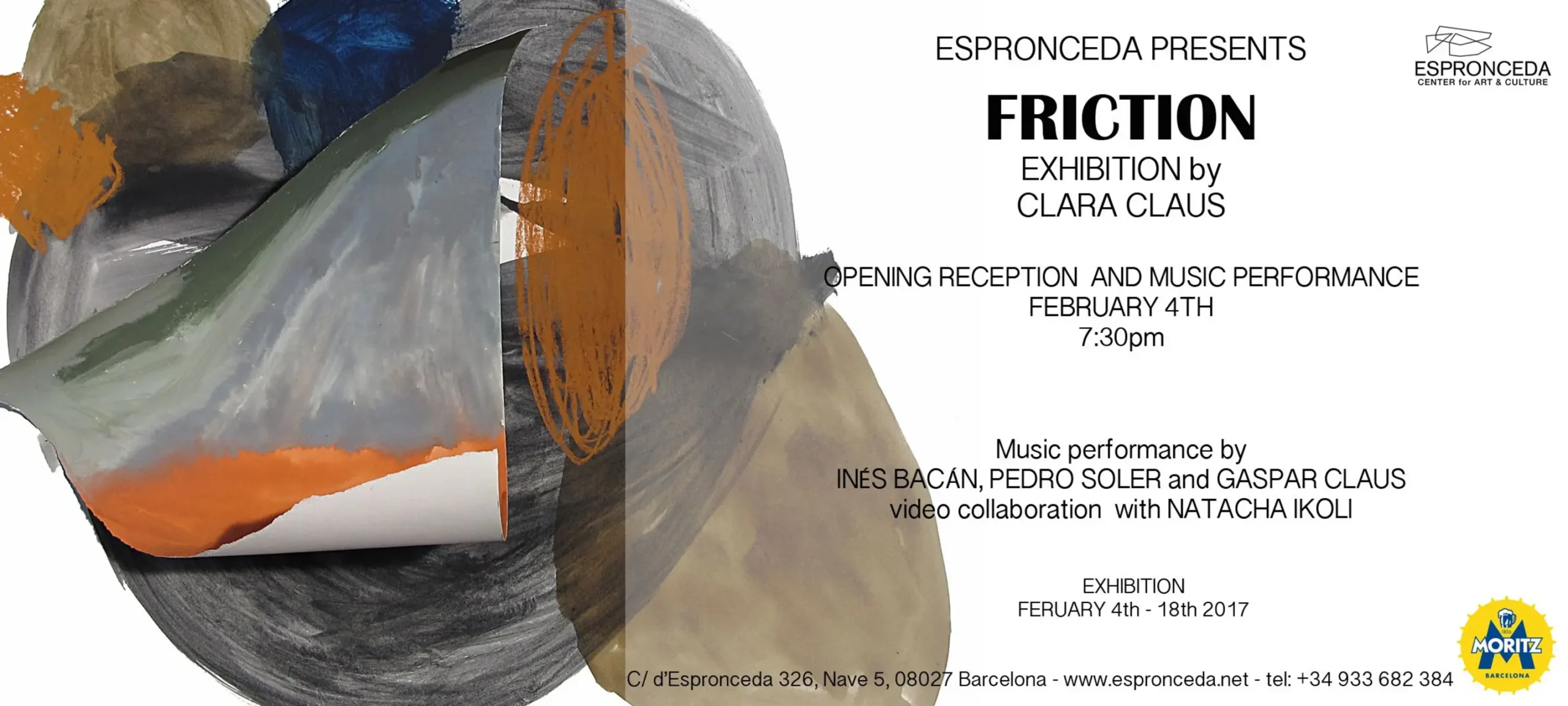
ESPRONCEDA presents
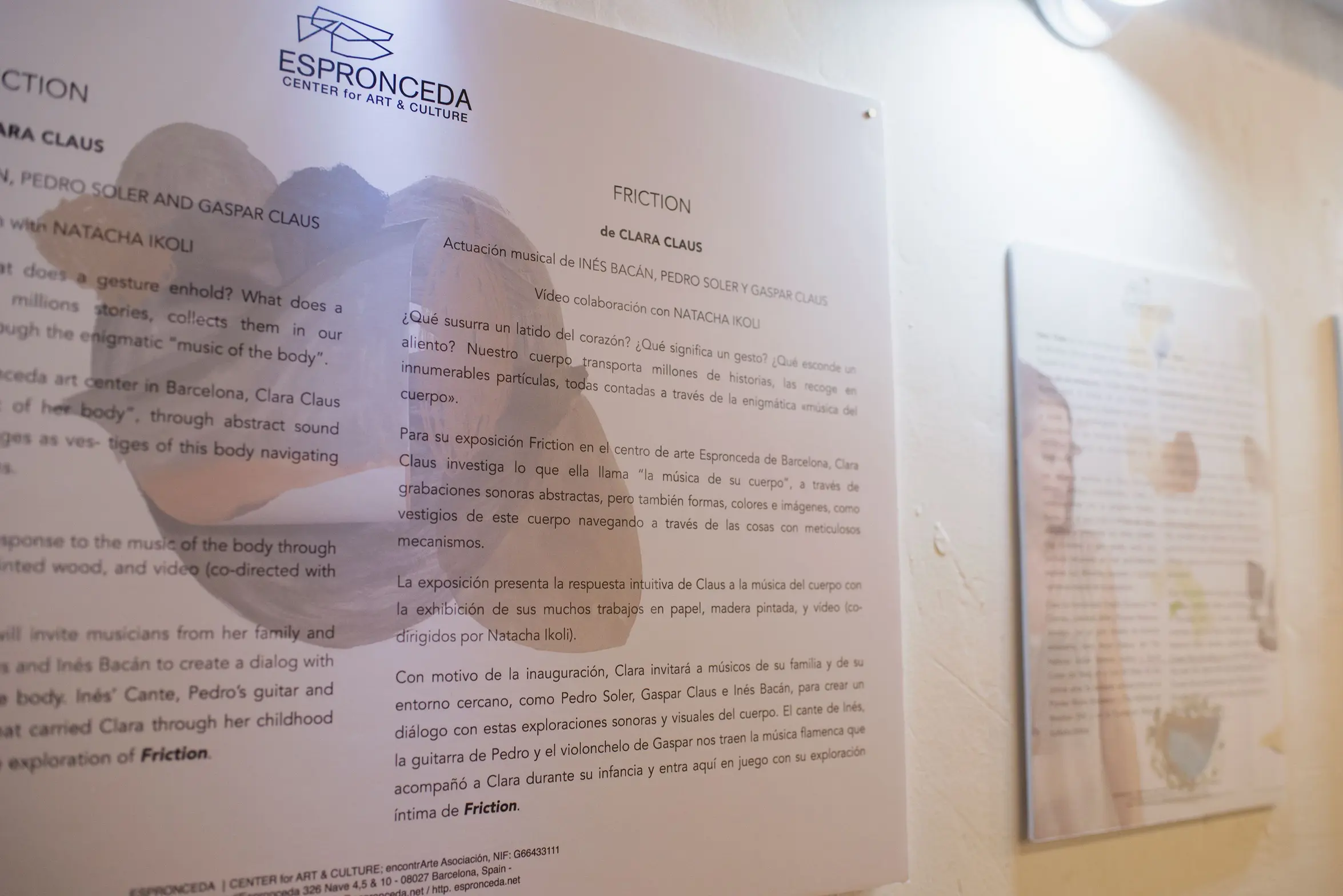
“FRICTION”
by the French artist Clara Claus
From February 4th to February 18th 2017
What tells a heartbeat? What contains a movement of the body? What hides a breath? Our body carries our millions of stories, collects them in our innumerable particles, and the multiple music of the body tells us those enigmatic and elusive stories.
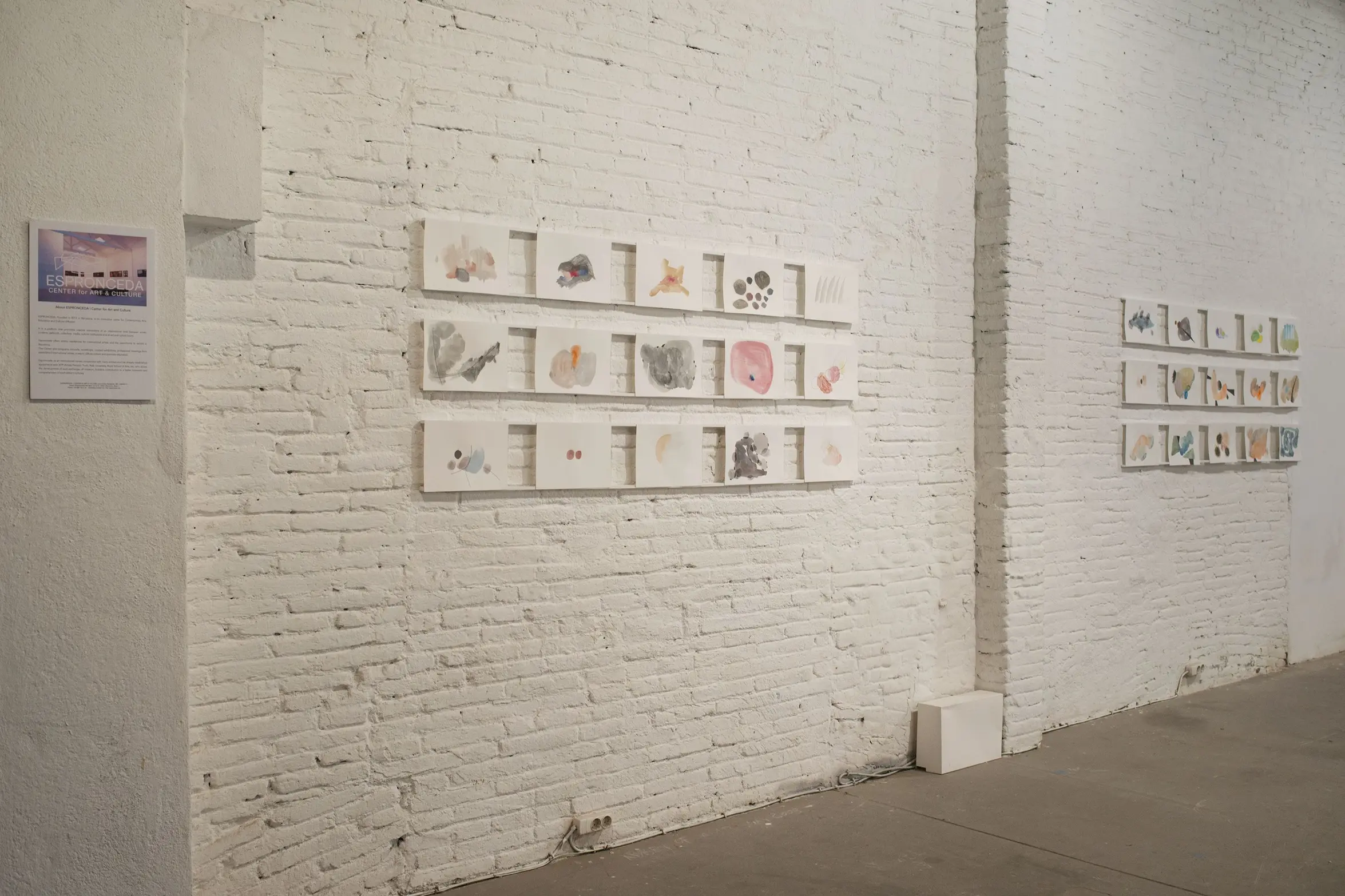
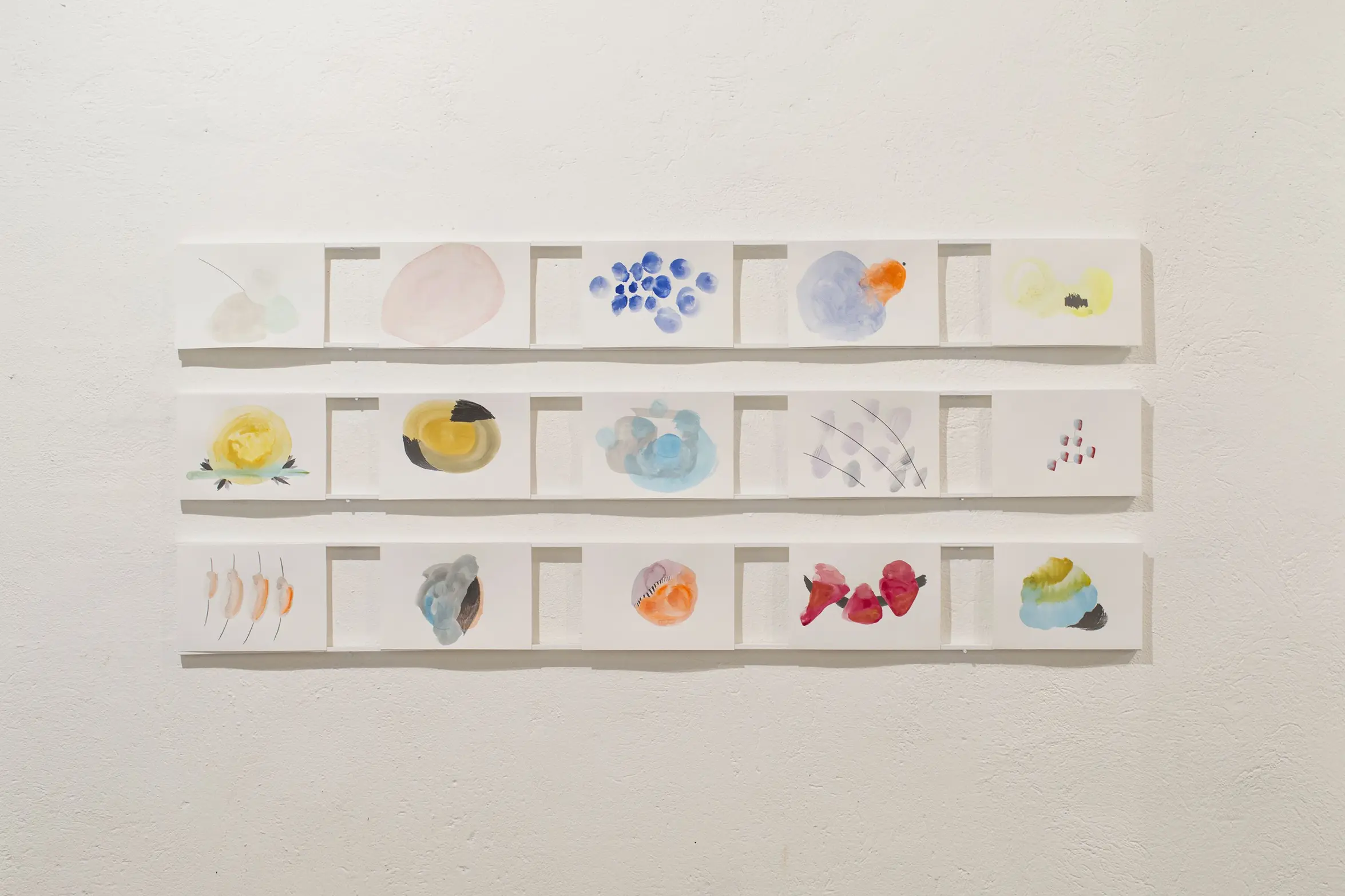
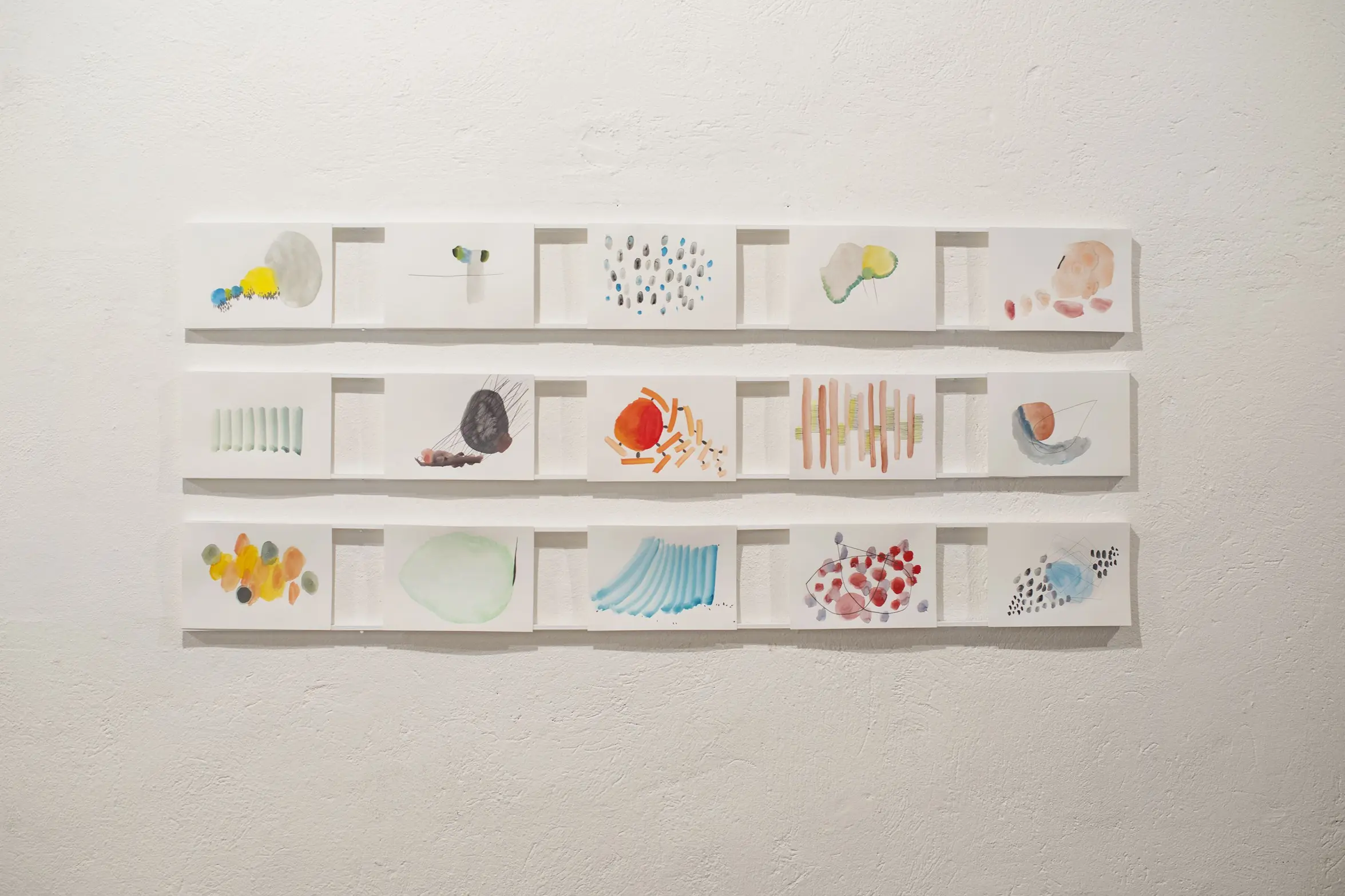
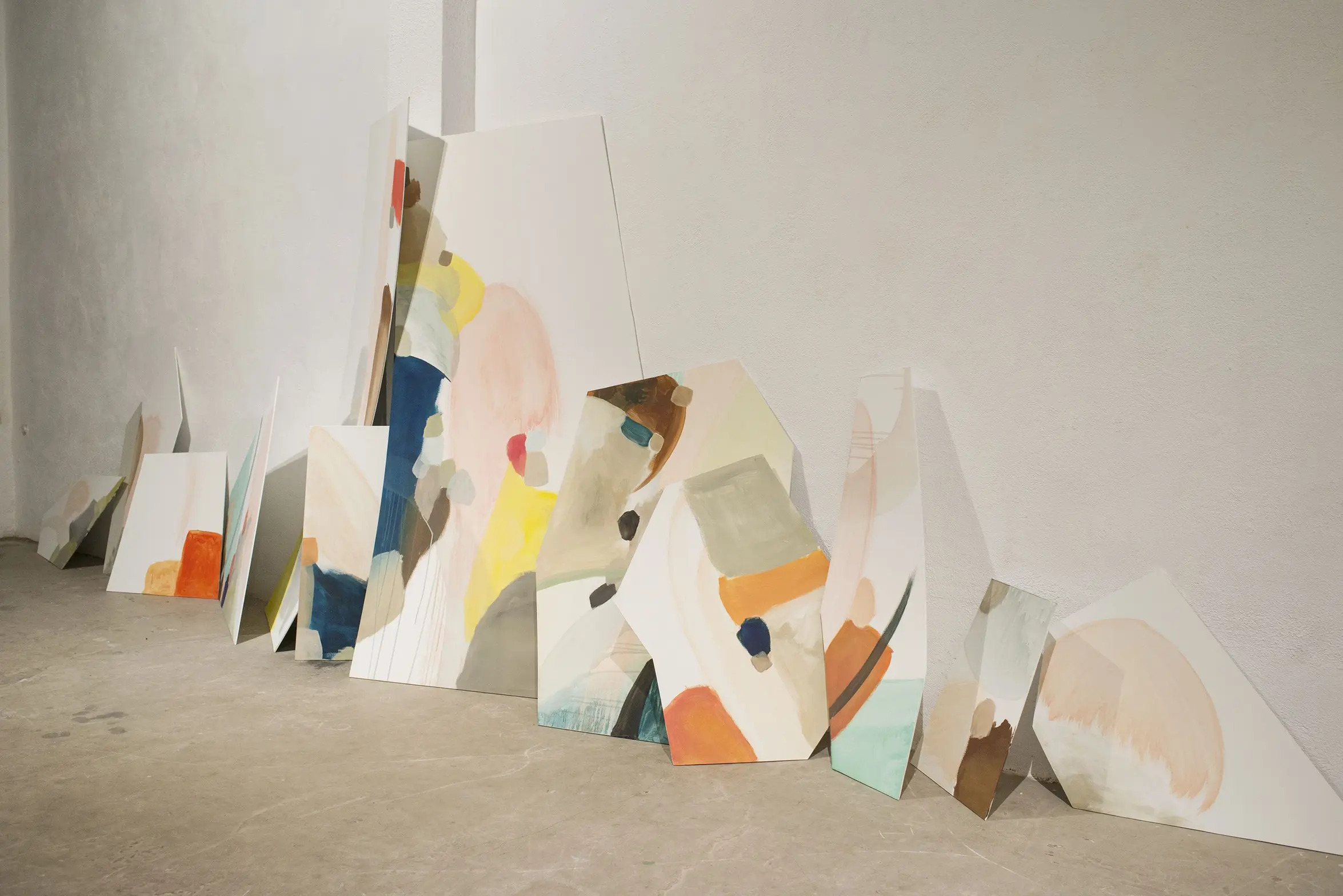
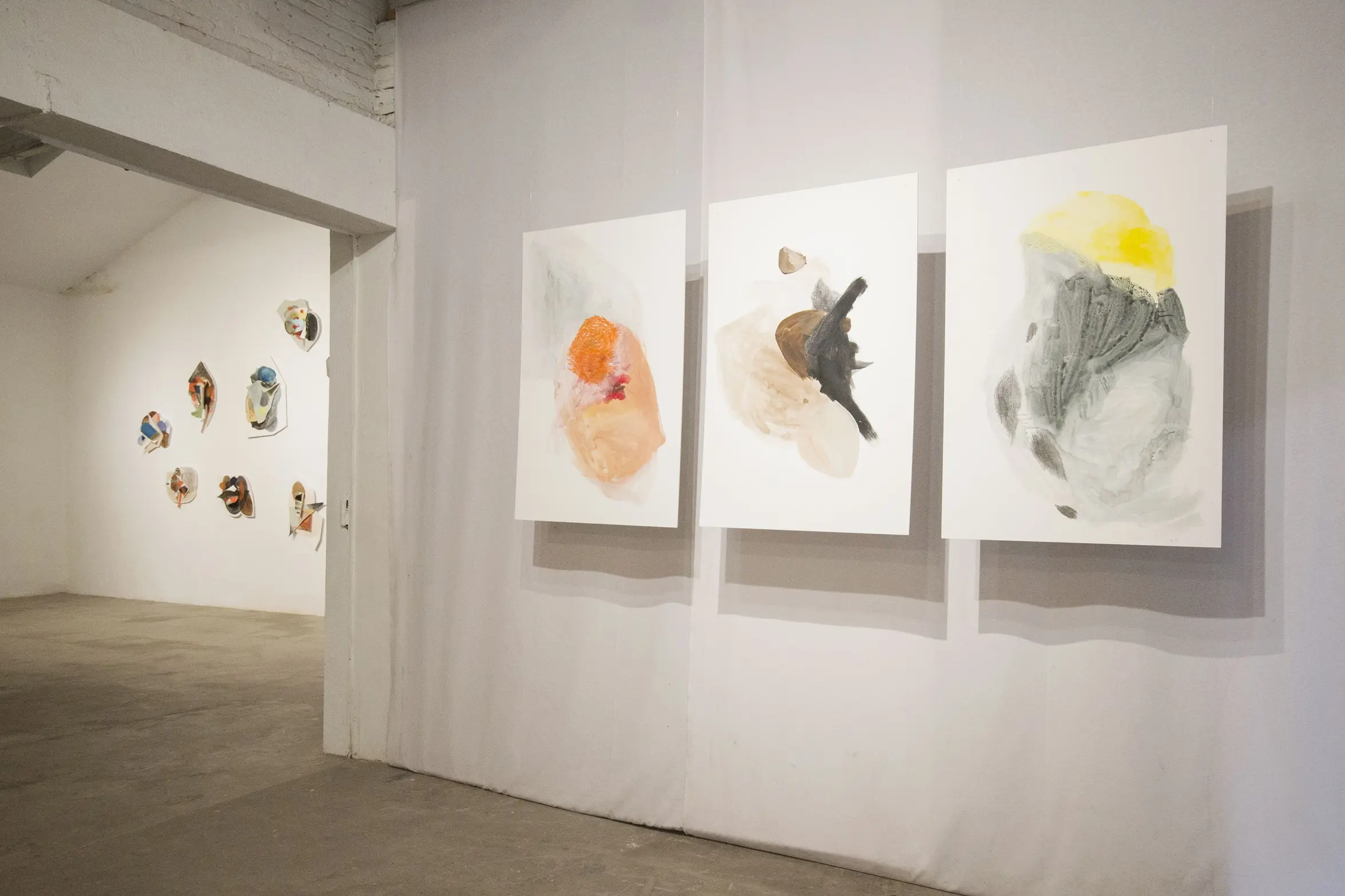
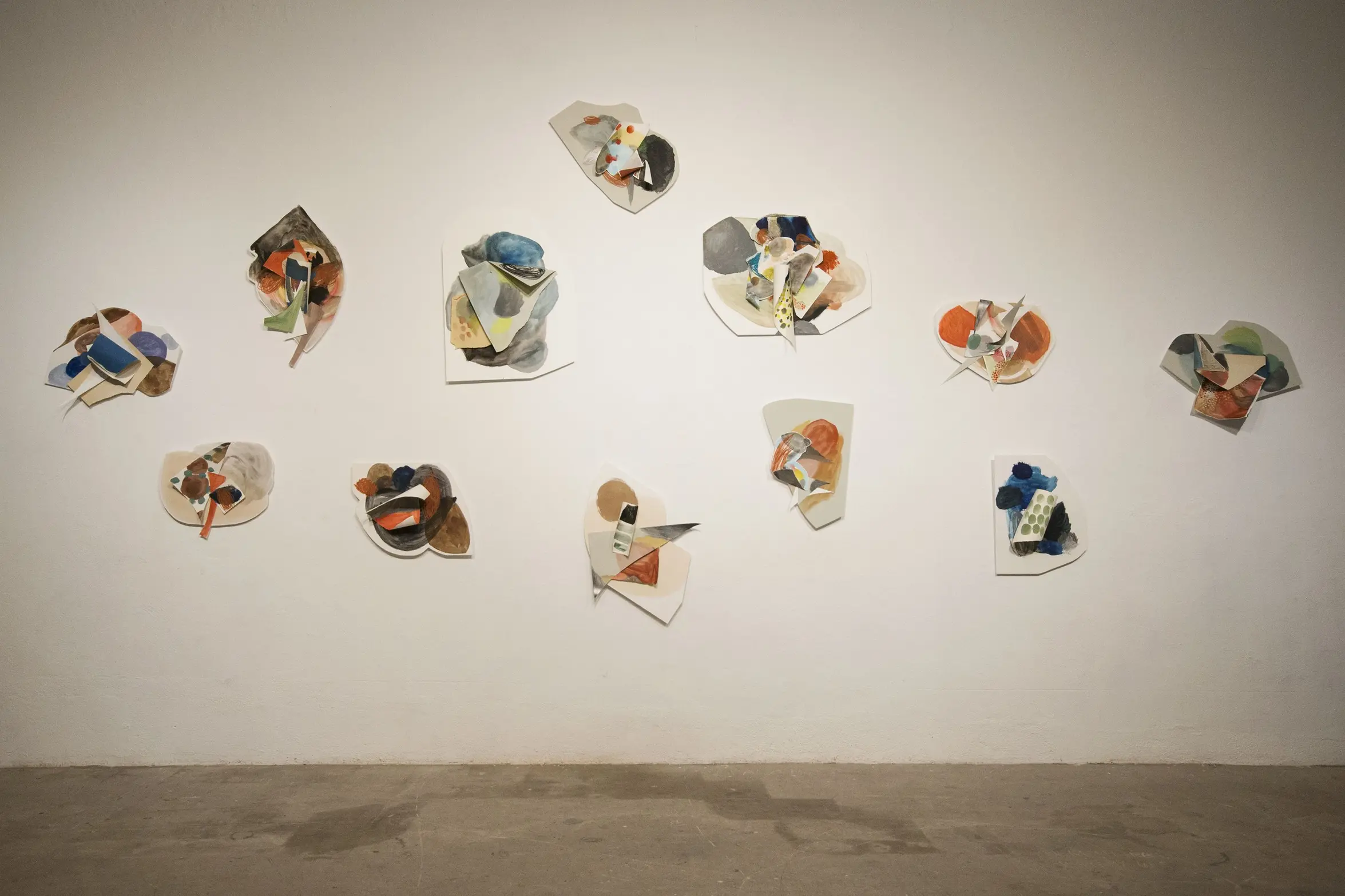
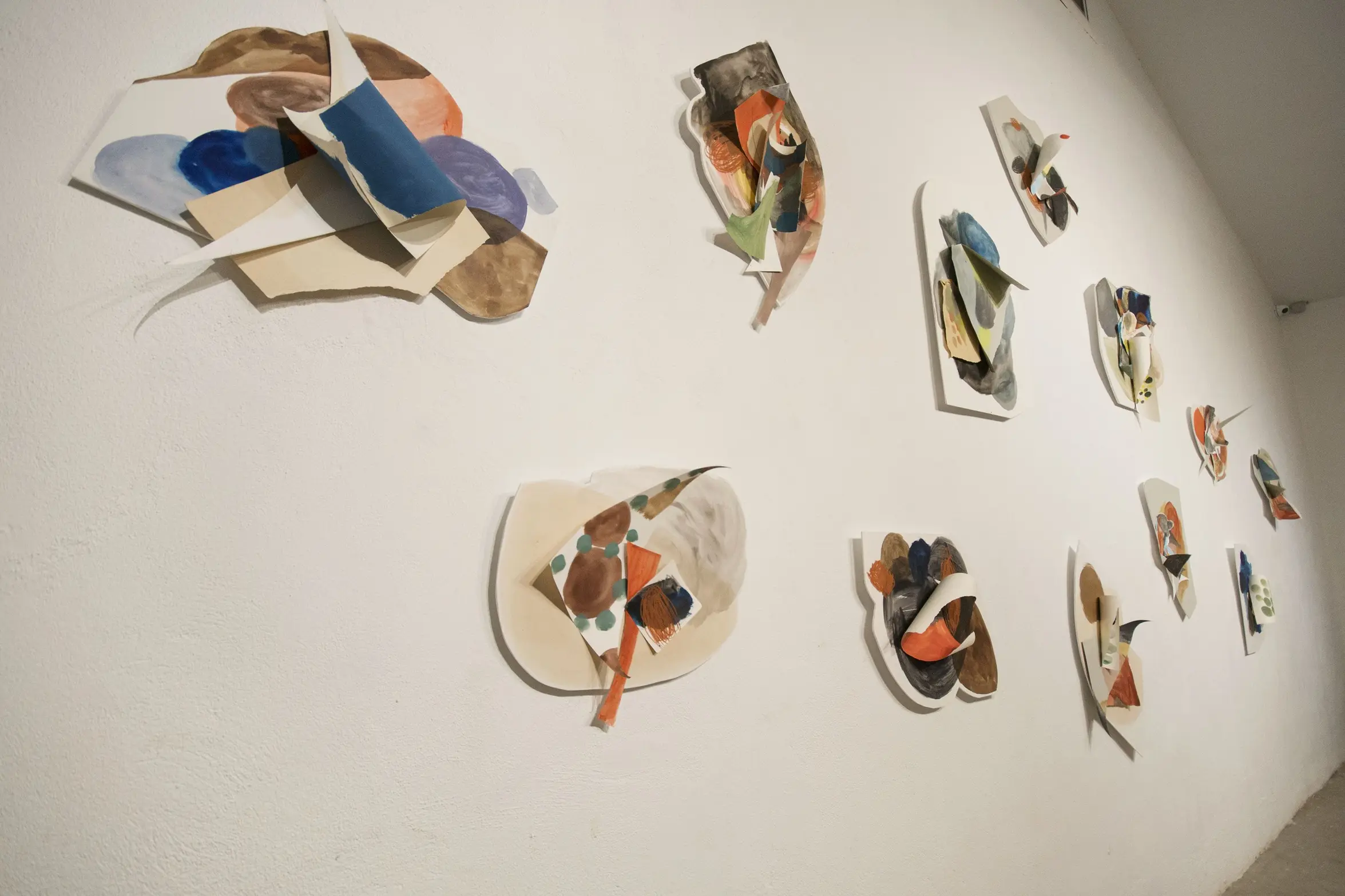
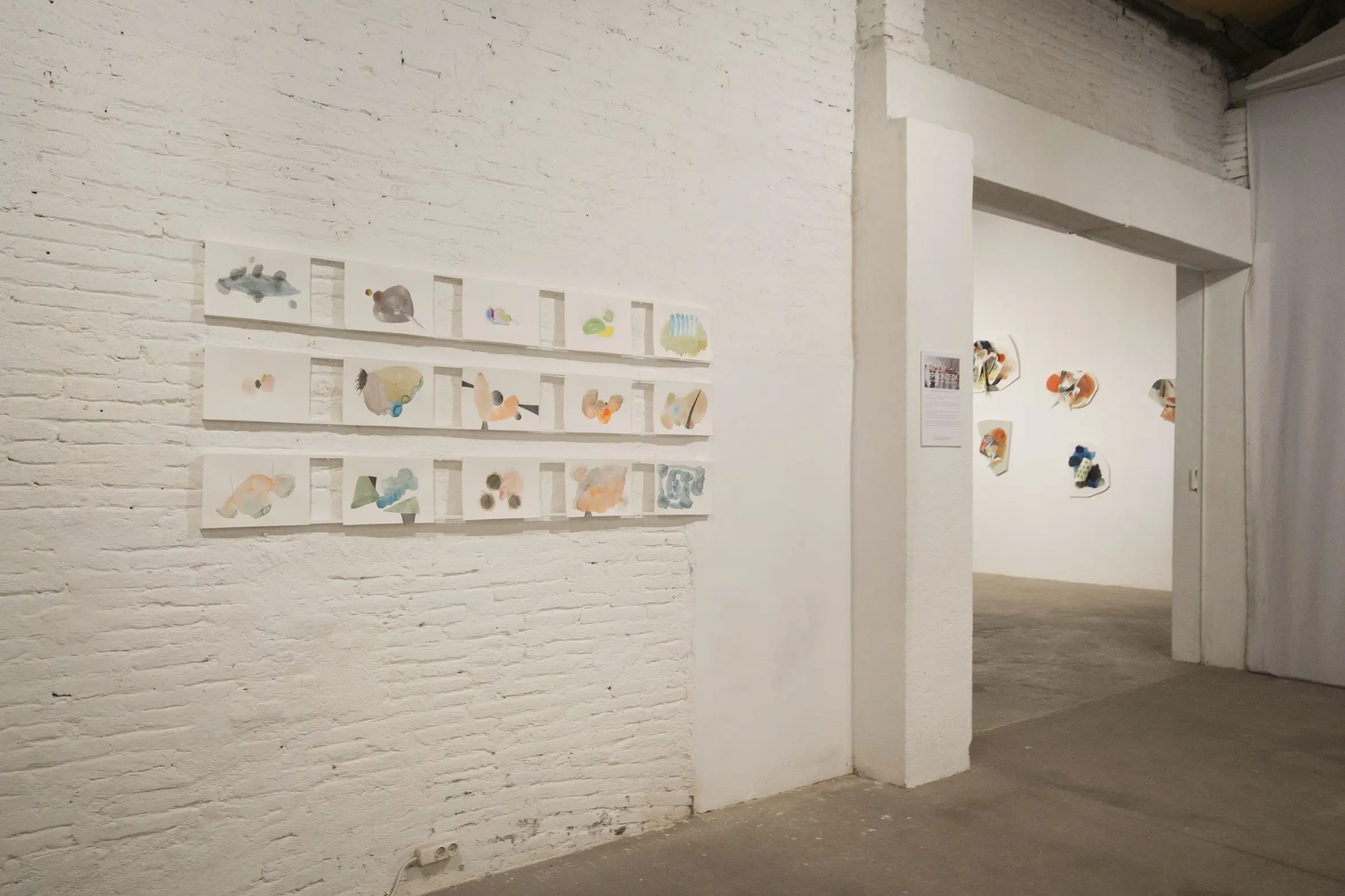
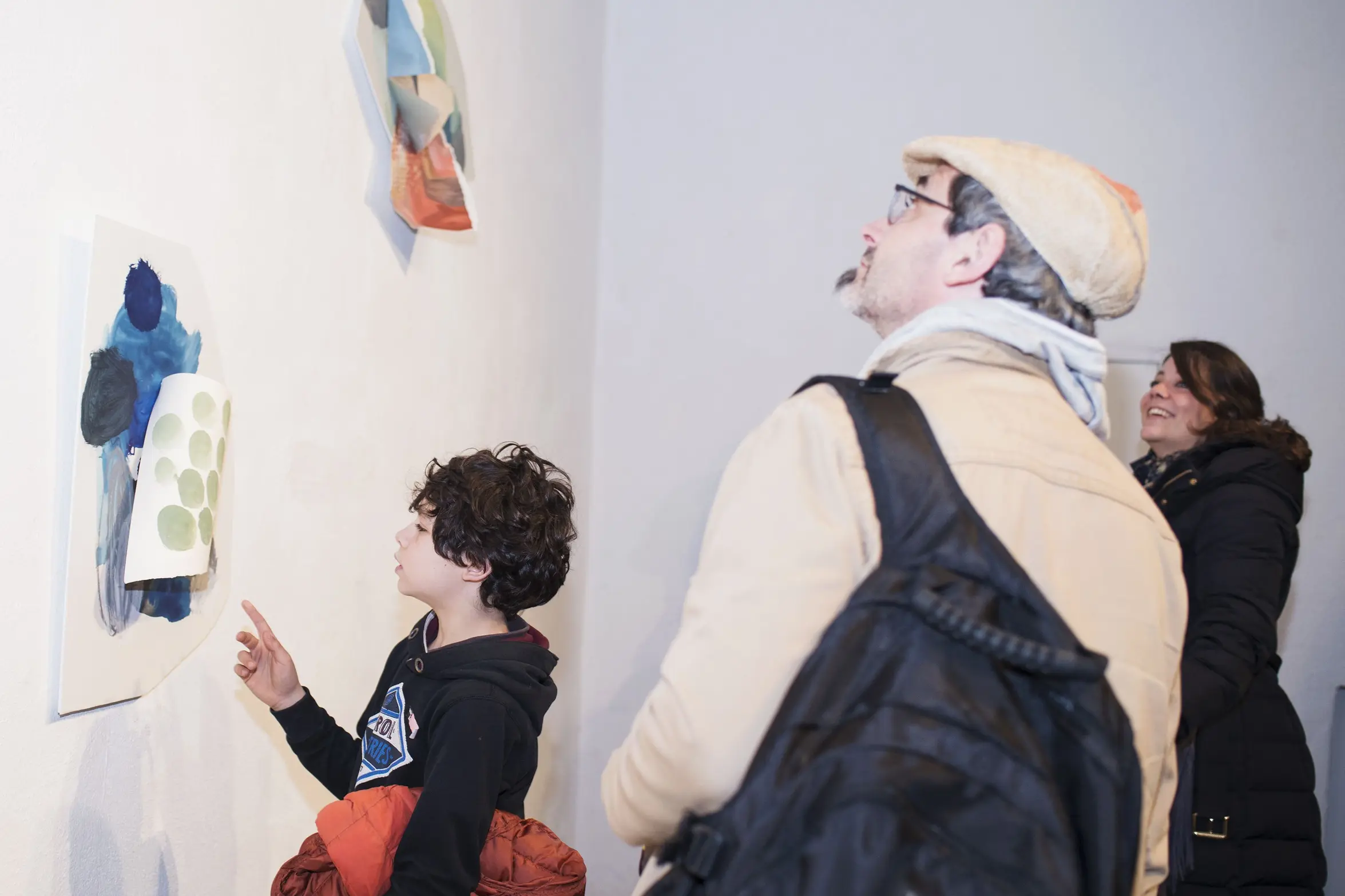
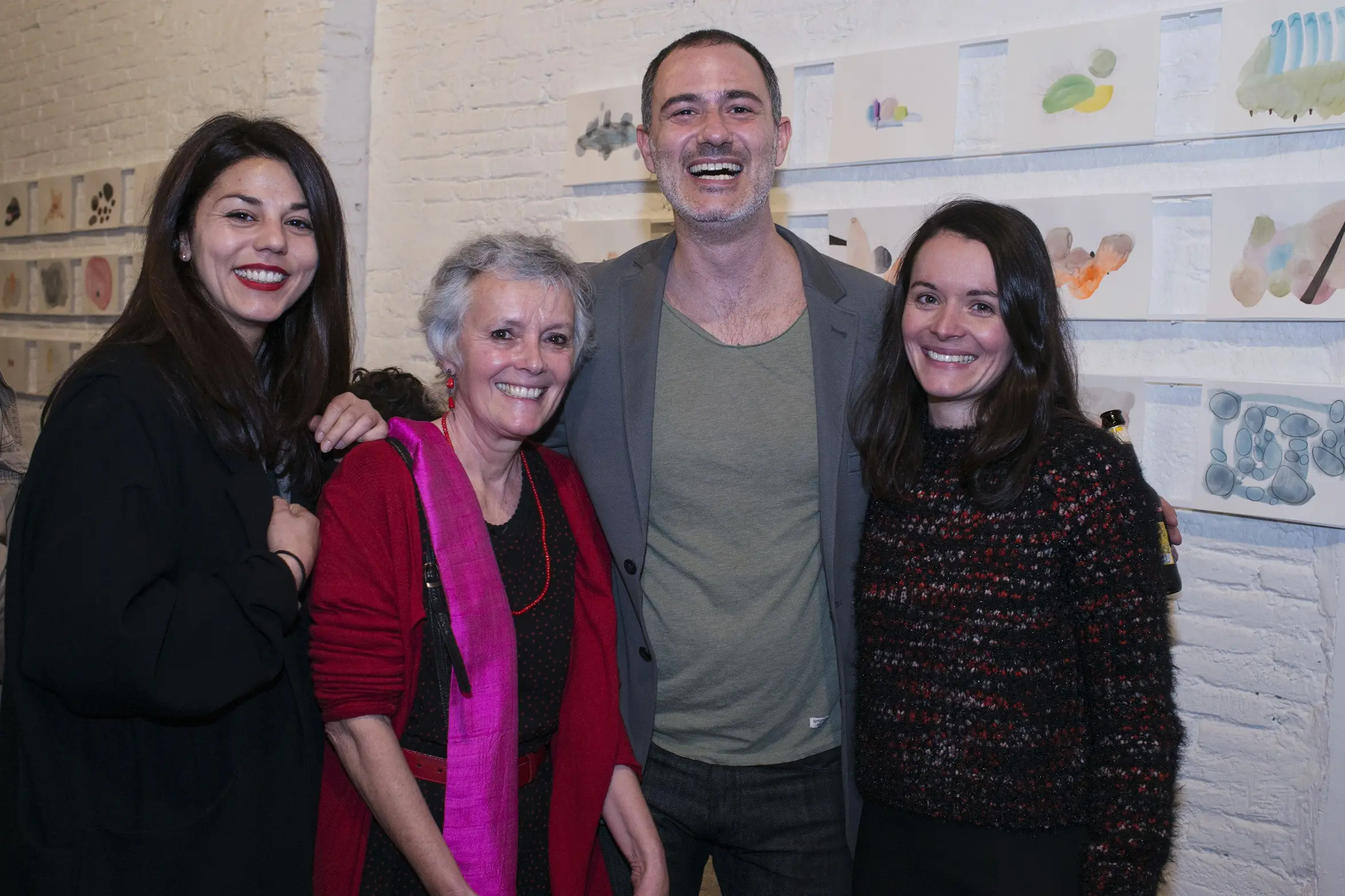
For the exhibition FRICTION at the Espronceda art center, Clara Claus investigates the music of her body and extracts shapes, colours, images — like the residues and traces of what composes it, of this body navigating through things with such meticulous mechanisms, etching what it receives.
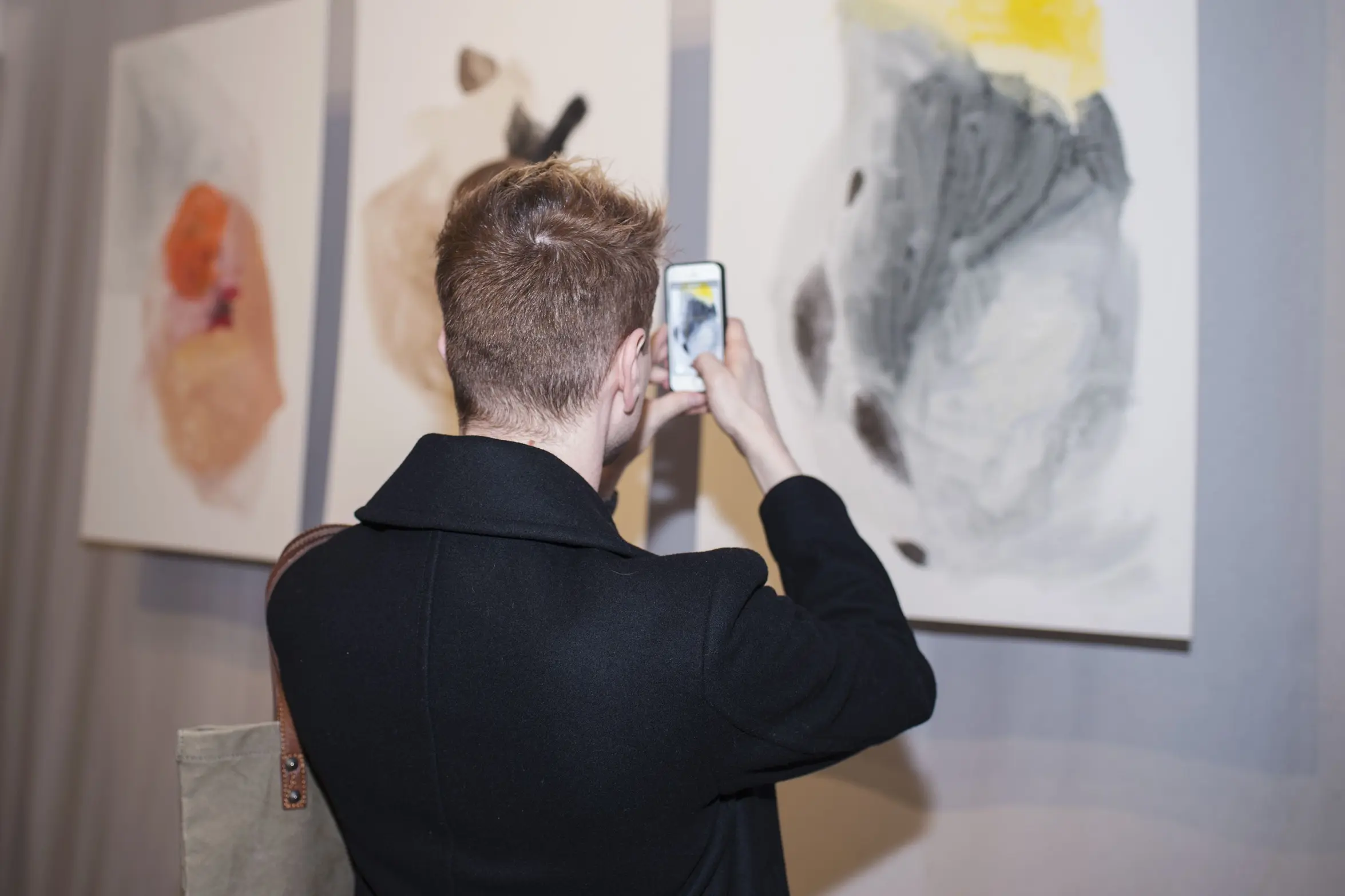
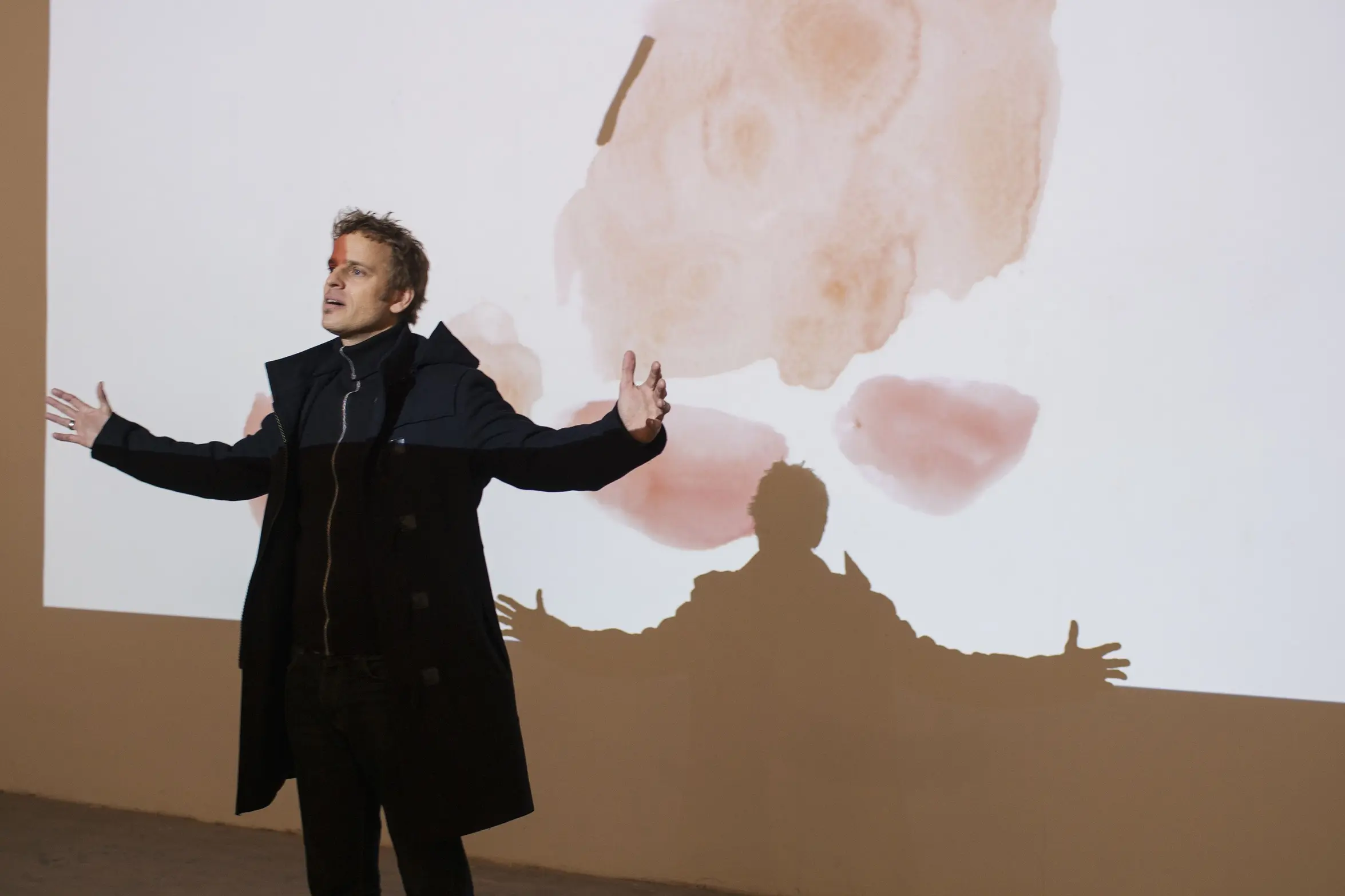
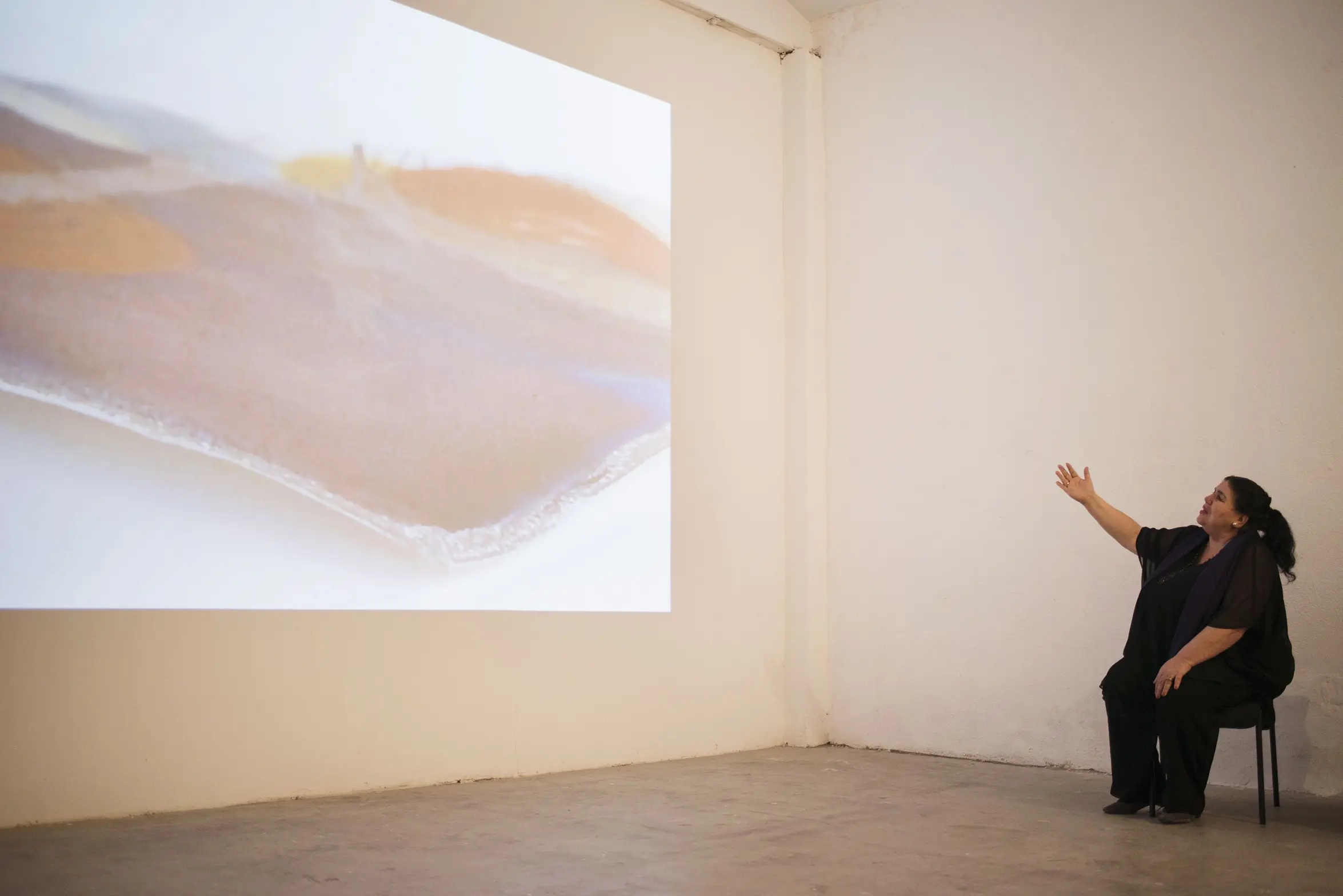
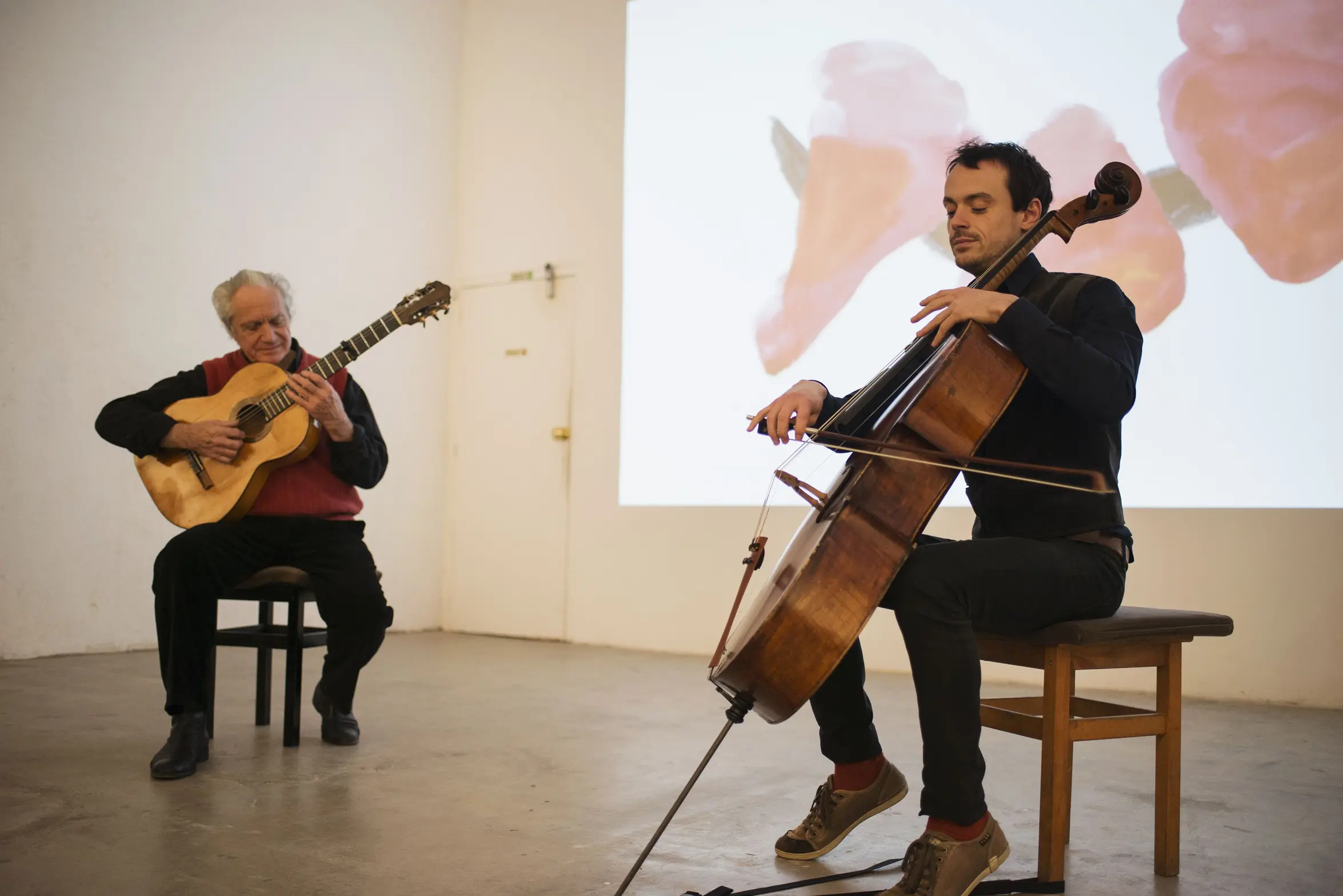
From these recordings of the music of the body, the visual deployment operates through fragments of painted paper and wood, and video (with the help of video artist Natacha Ikoli) — diverse creative techniques affirming the intuitive visual response to what the body could be telling as images.
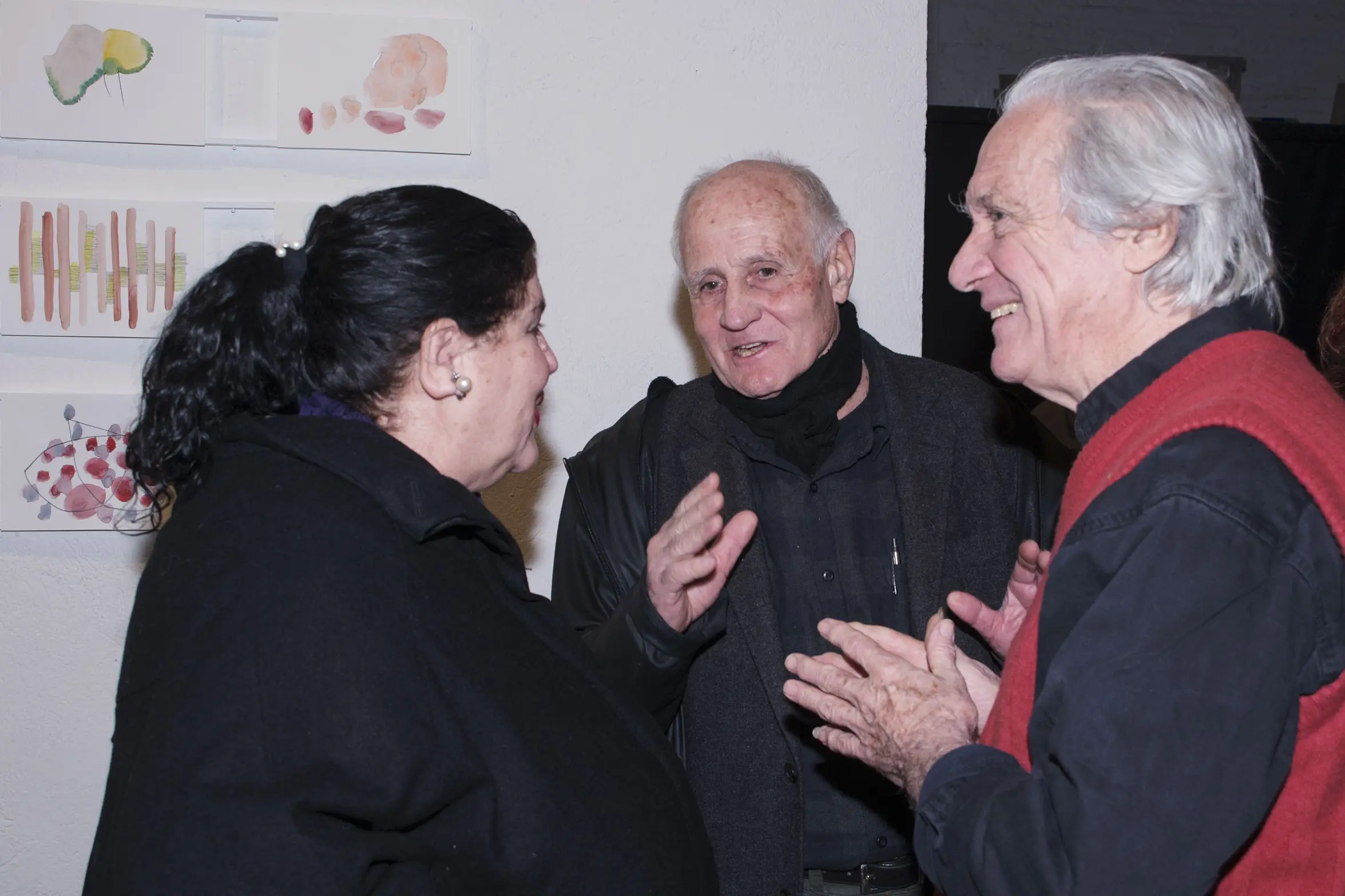
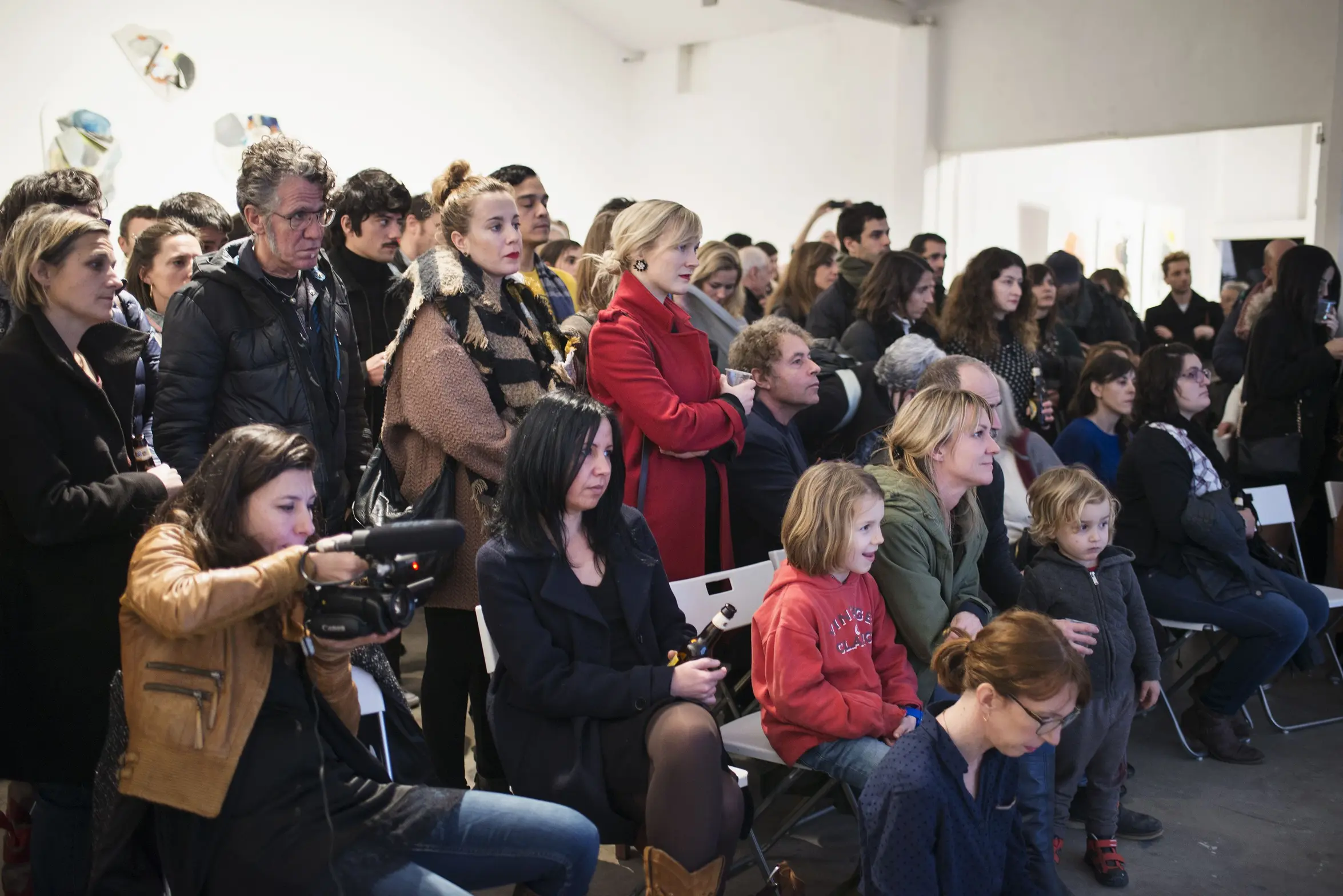
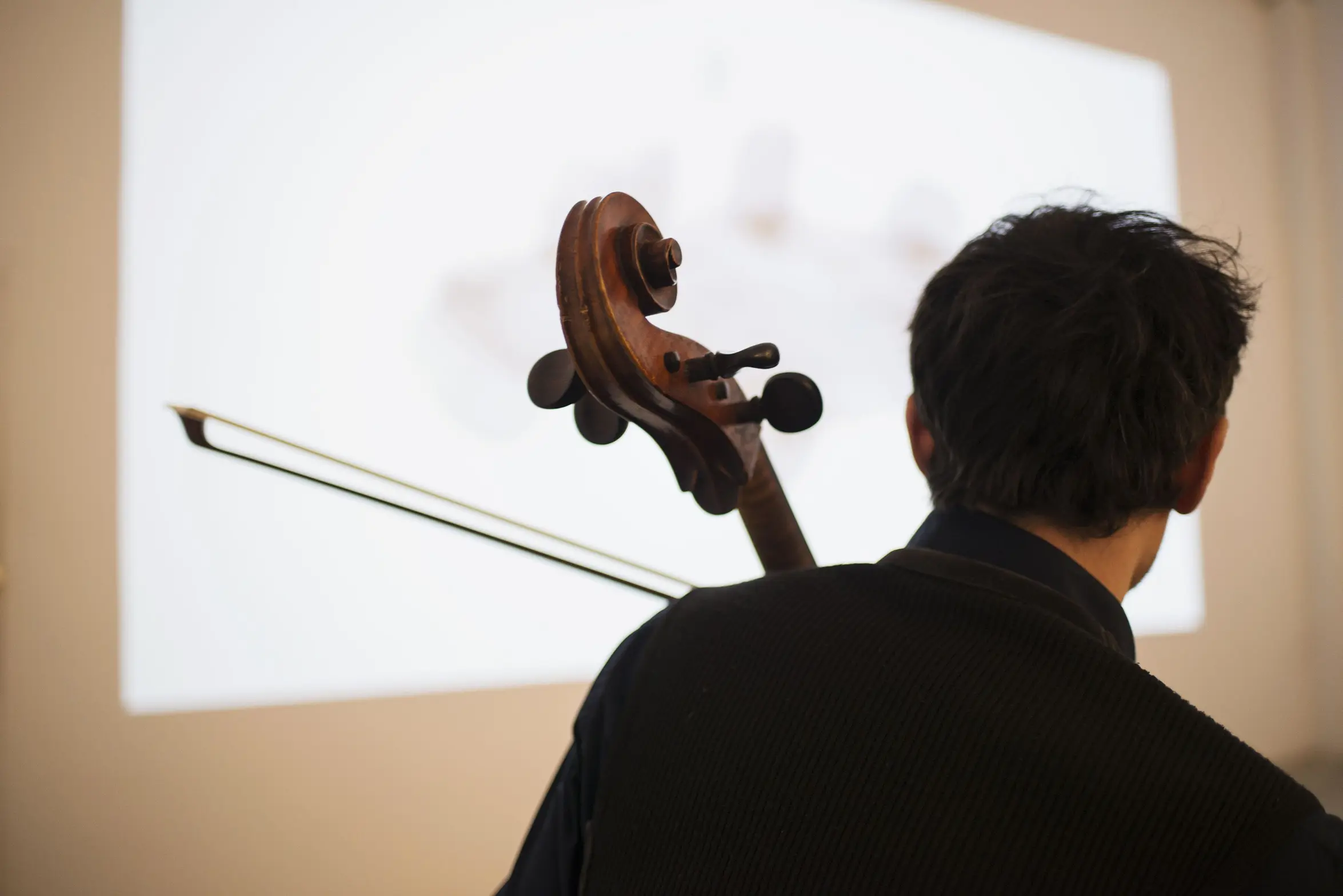
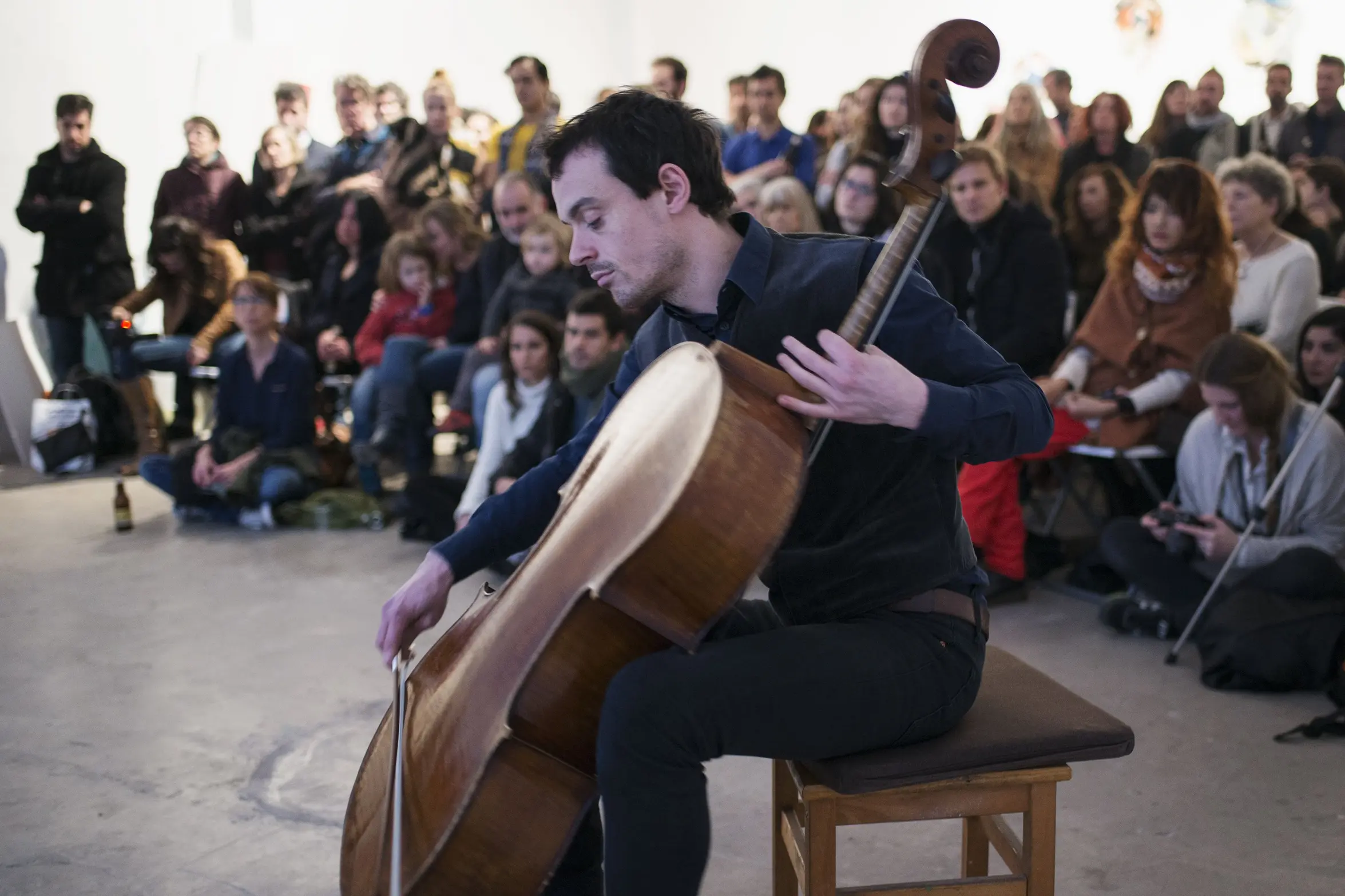
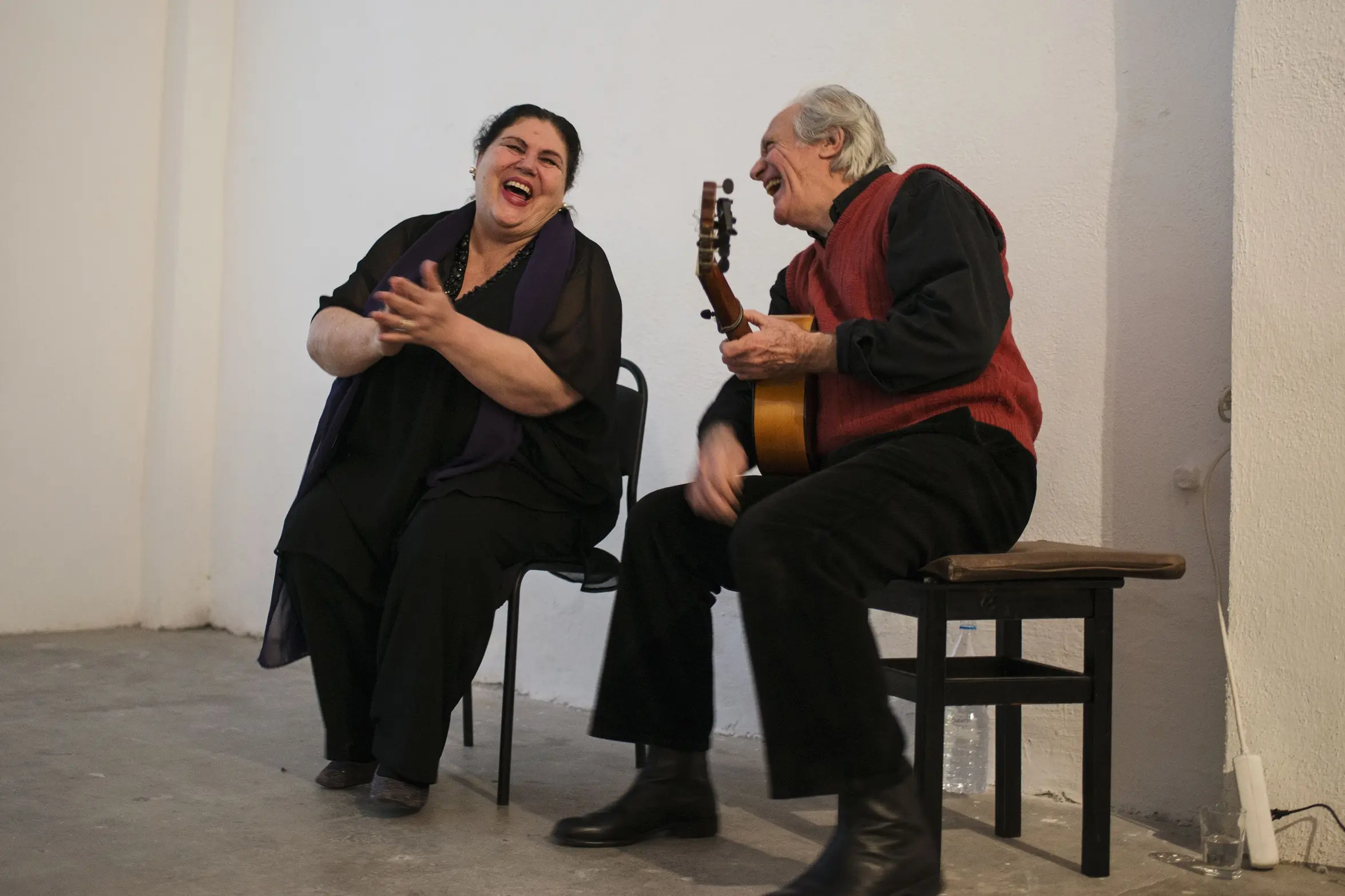
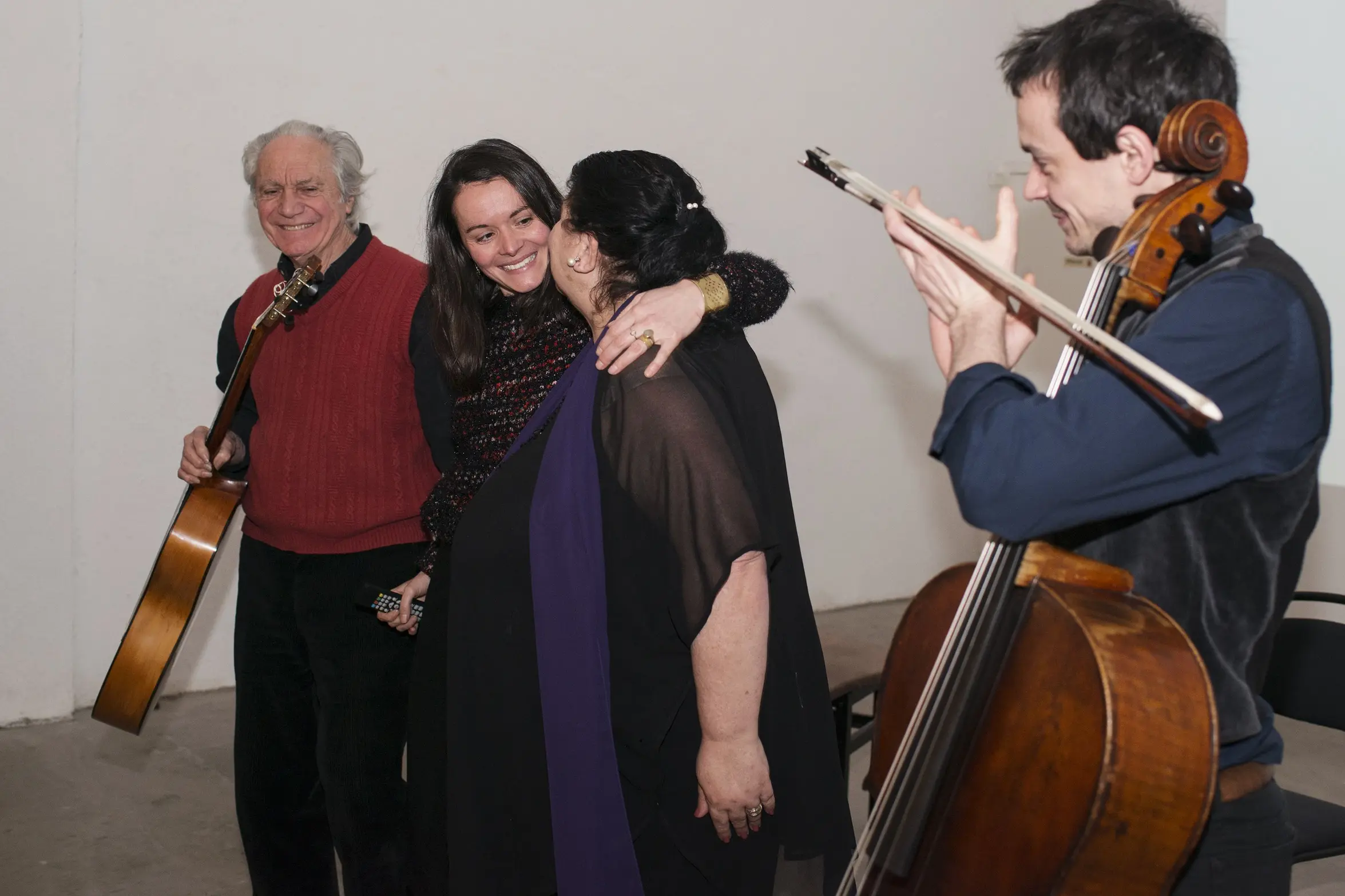
On the occasion of the opening, Clara will invite musicians from her family and close circle — Pedro Soler, Gaspar Claus and Inés Bacán — to create a dialogue with these sonic and visual explorations of the body. Inés’ cante, Pedro’s guitar and Gaspar’s cello bring flamenco music that carried Clara through her childhood and comes here into play with her intimate exploration of FRICTION.
TRAILER
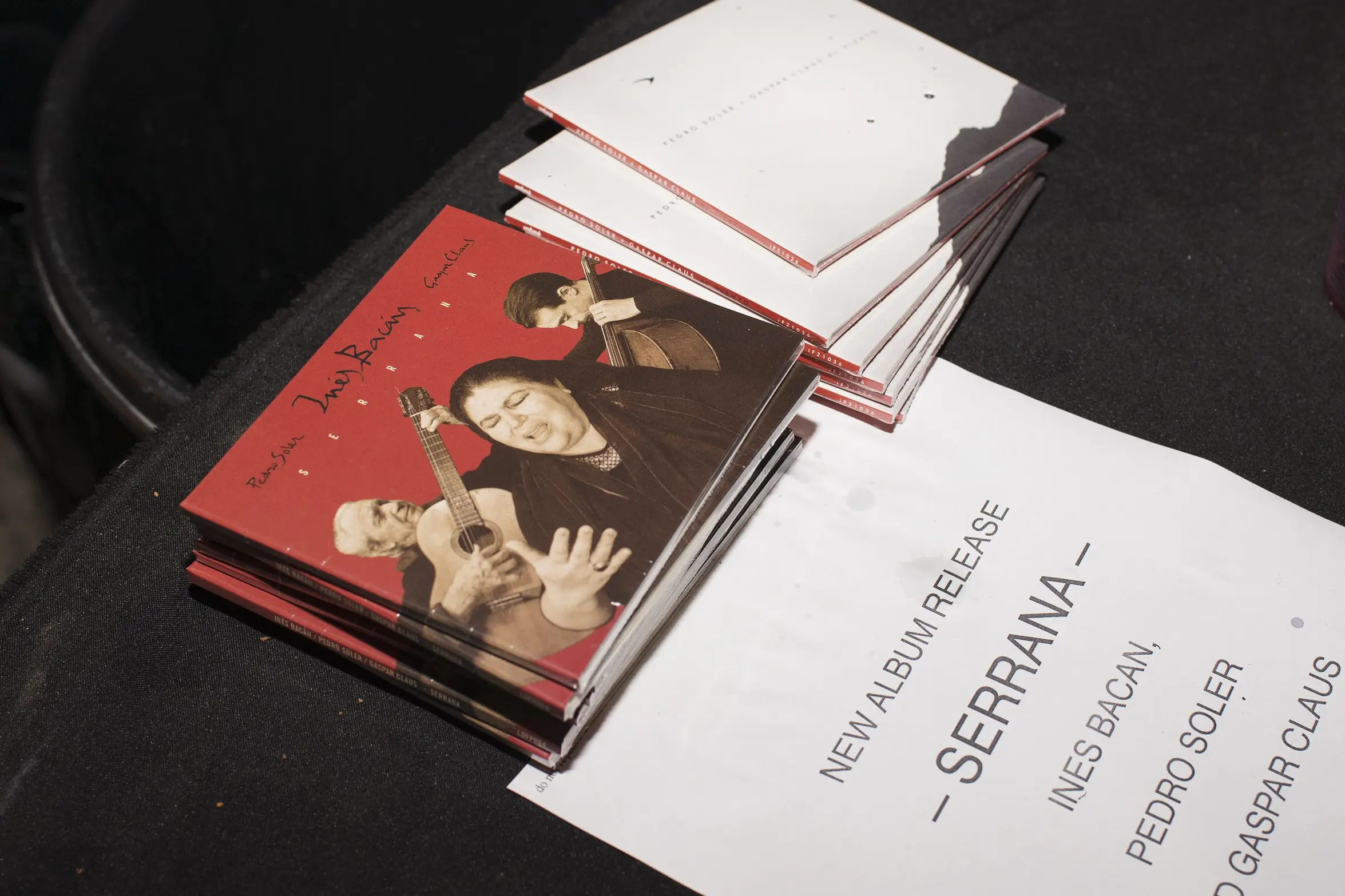
NEW ALBUM RELEASE – SERRANA – INÉS BACÁN, PEDRO SOLER AND GASPAR CLAUS
This exhibition is also an opportunity to celebrate the album release of SERRANA, a special journey with flamenco singer Inés Bacán, flamenco guitarist Pedro Soler and cellist Gaspar Claus. Accompanied by Pedro Soler on the guitar, sometimes joined by Gaspar Claus on cello, Inés Bacán sings in this new album Serrana “palos” (styles) from the Levante that she heard as a small child, sung by her grandmother Fernanda. The Bambera, Fandango, but also “Taranto” in its ancient form, “Granaínas” from her husband Francisco Vargas’ homeland, or “Serrana”, very rarely sung nowadays because of its demanding vocal range. “Romance Corrido” is a very ancient epic song performed at gypsy celebrations. The album also features two compositions by her son José Vargas: a lullaby and a song “Por Tientos” evoking the trains used to deport gypsies under the Nazis. She closes this beautiful programme with a Cante Jondo Seguiriya.