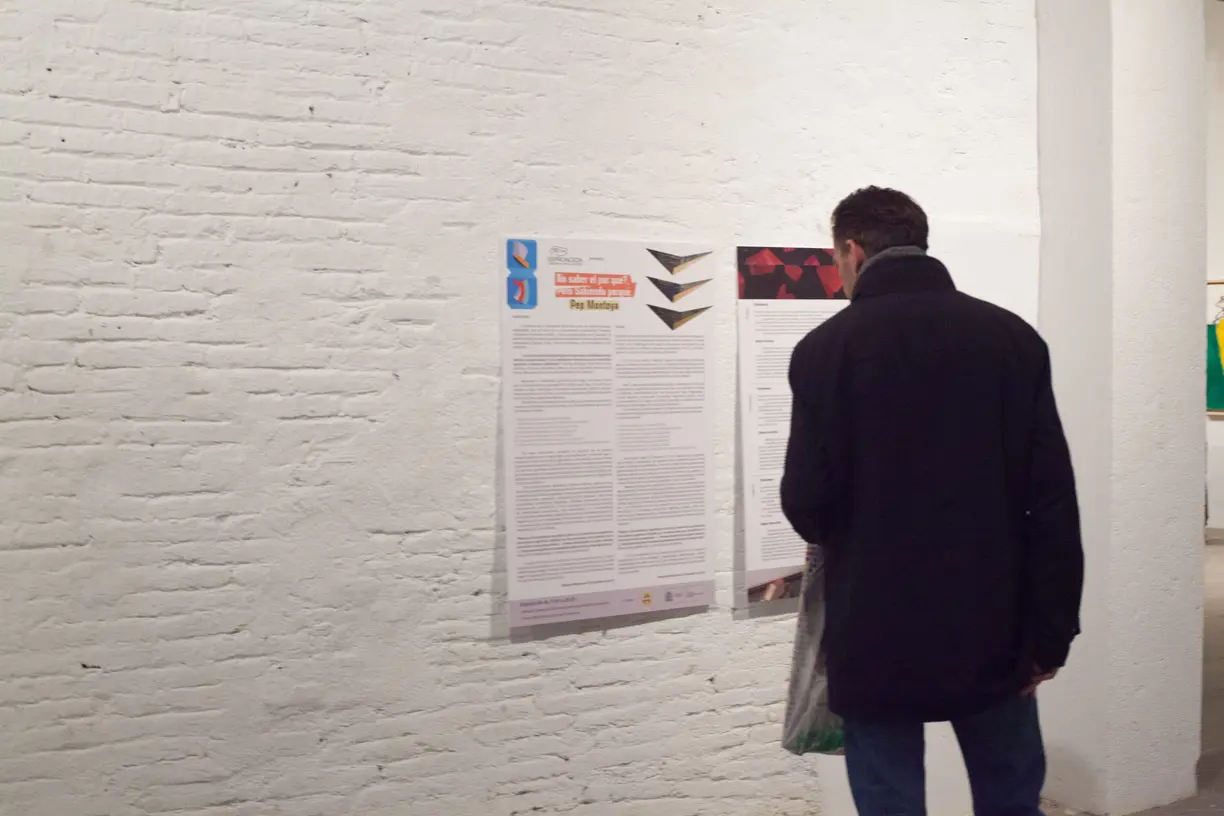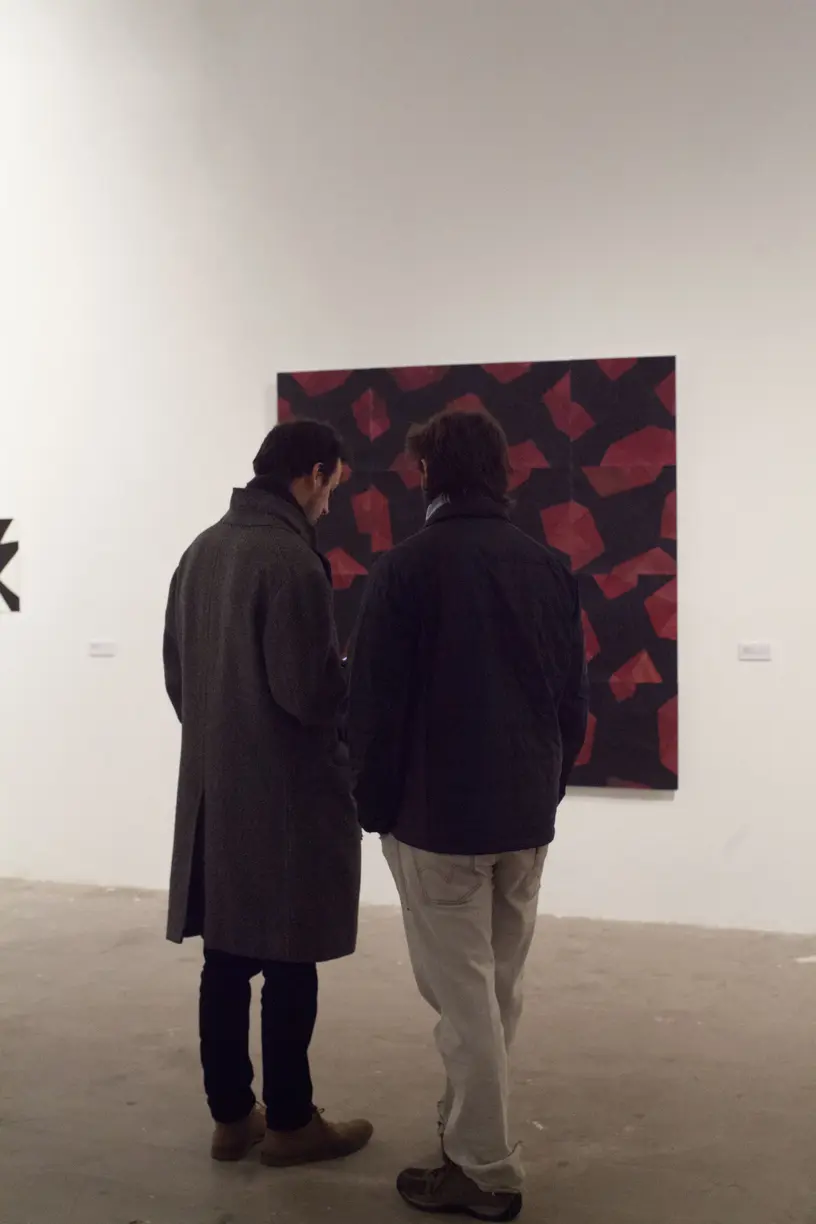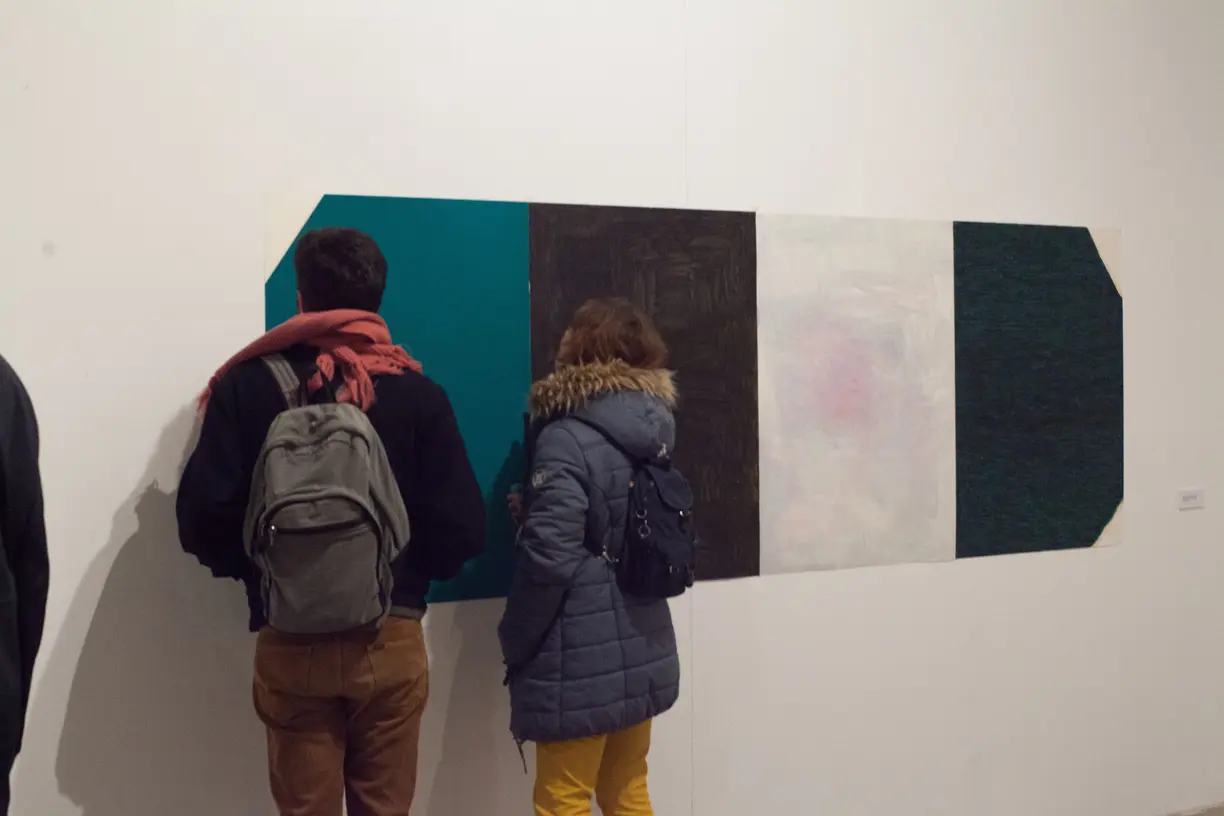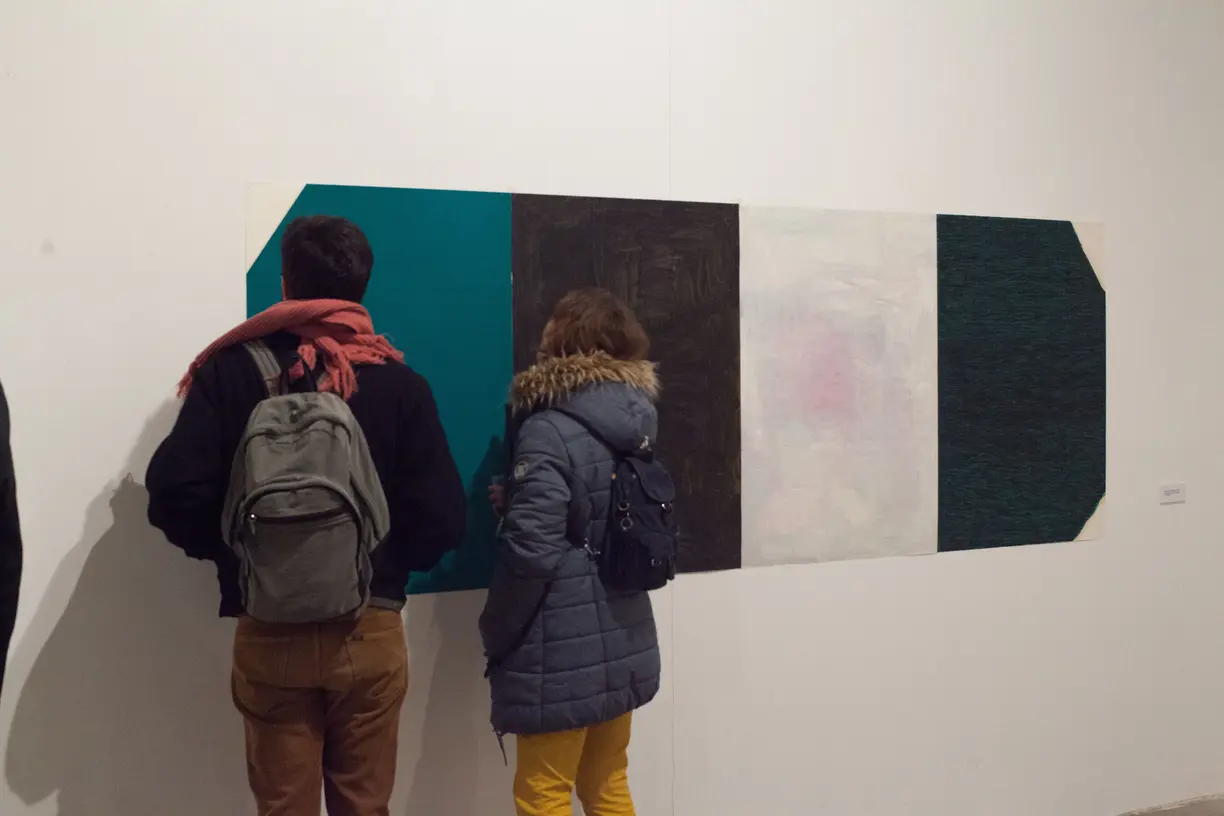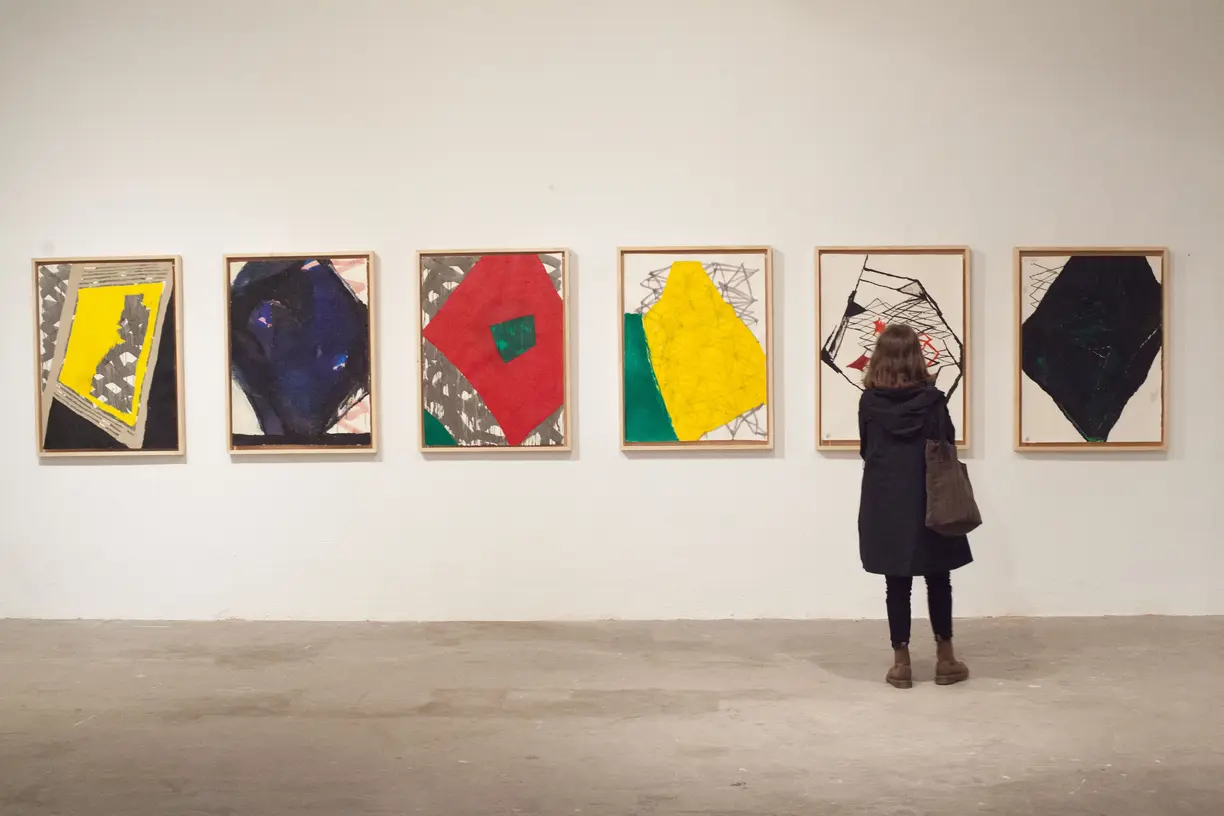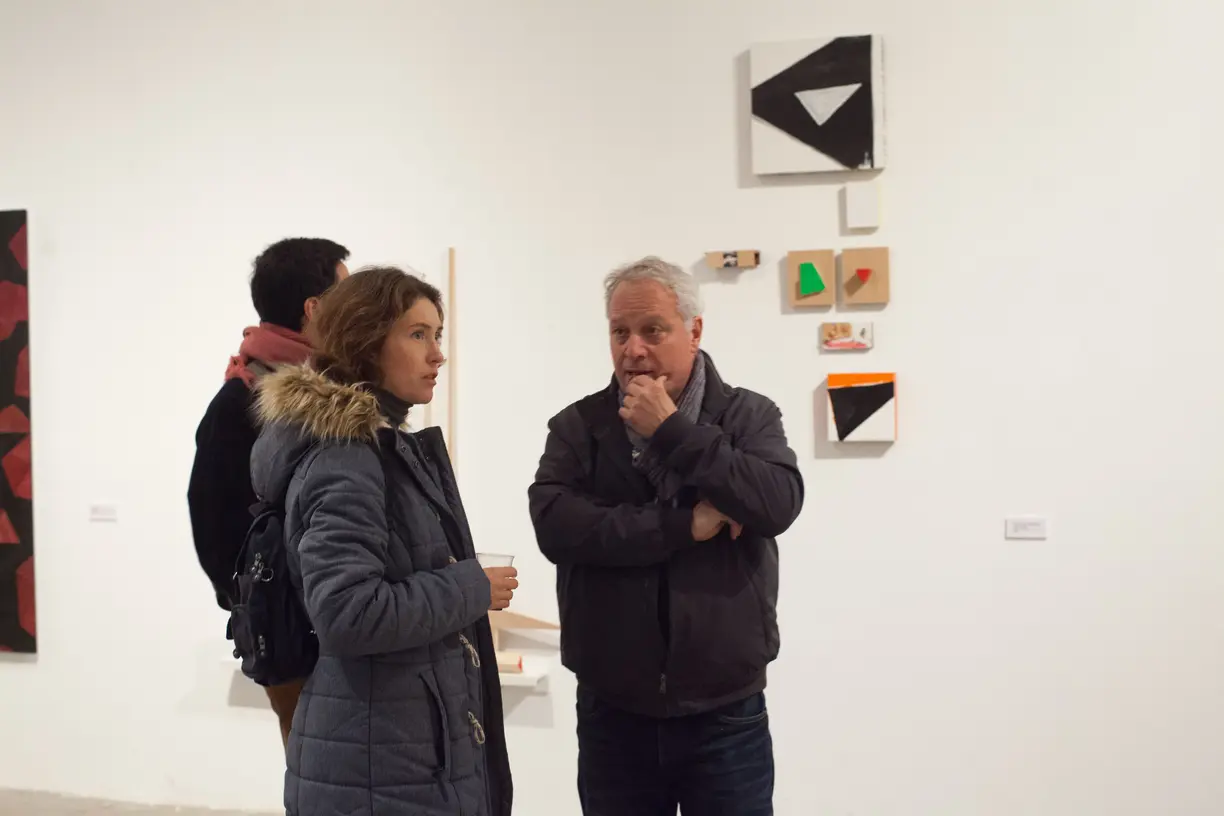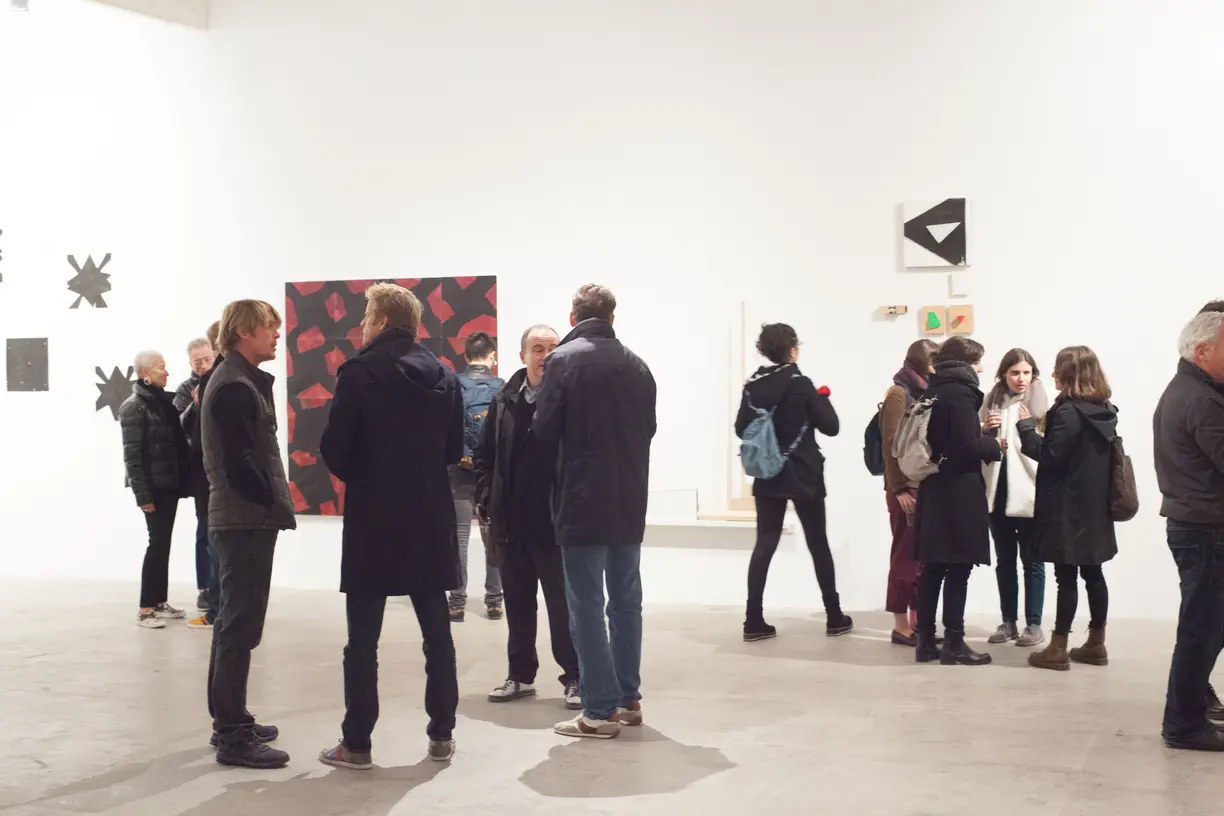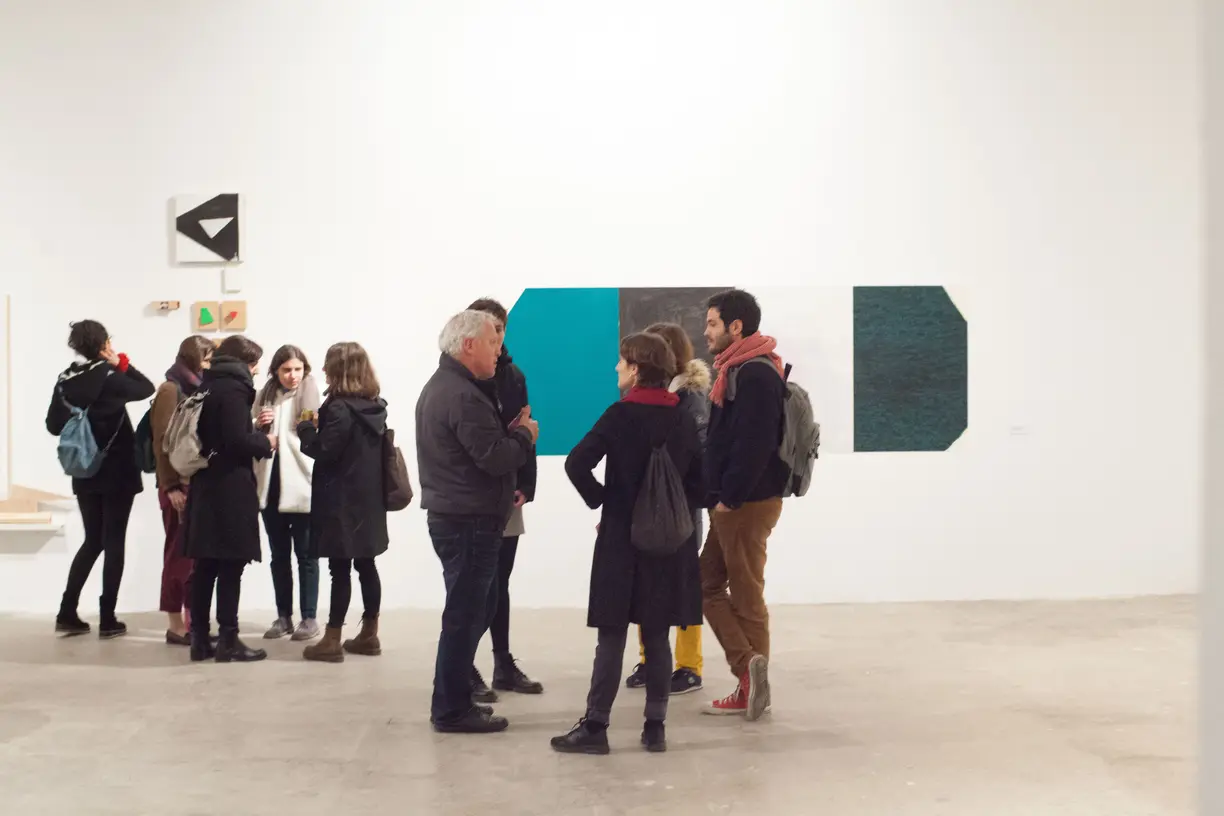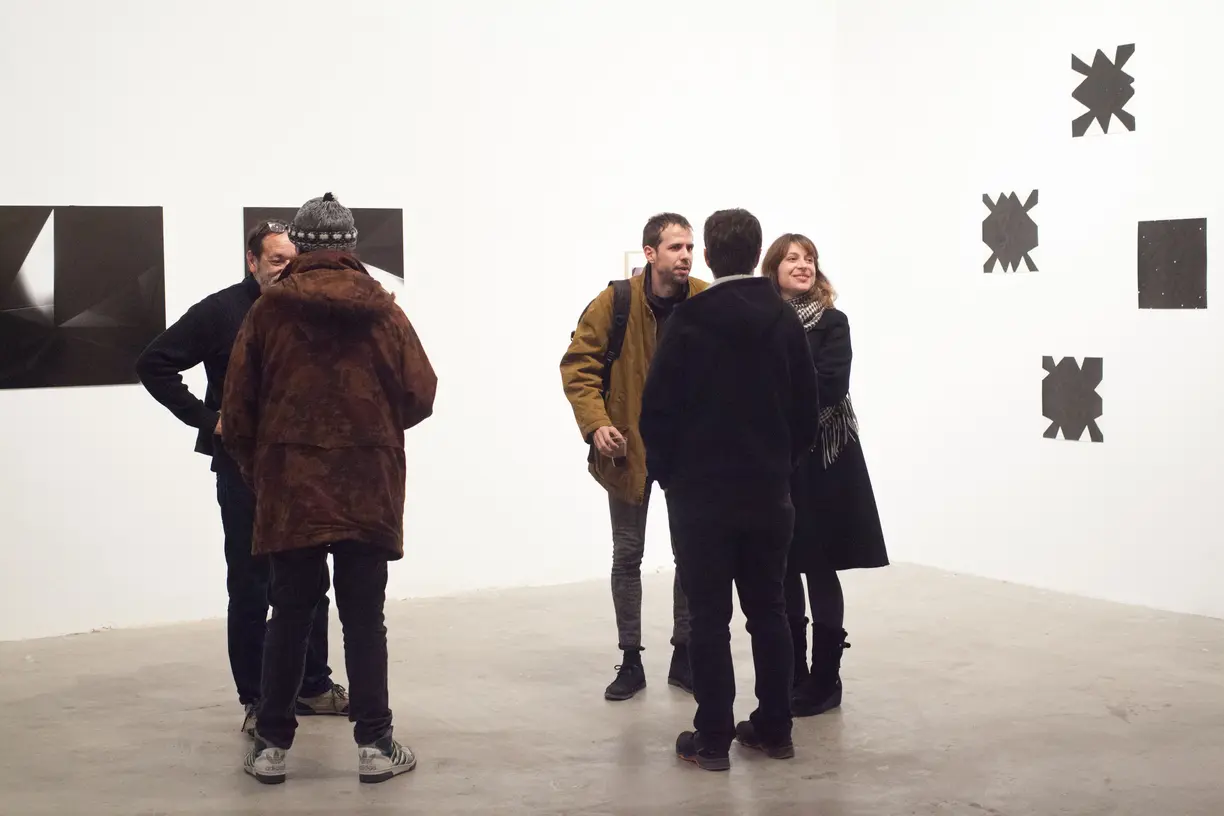
If we start from the conception of the artist as being constantly displaced, nourished by a cumulative thought, we can consider the creative process as an exploration with the capacity to generate configurations that propitiate states of reflection, thought, perplexity and even irony, in front of the context and circumstances of the moment.
“What if political art inhabits unexpected places, camouflaged for conventional looks? What if radicalism resided right in the constant opposition to the established discourse?” Estrella de Diego. Another Way to Be Political. Article about Mario Pedrosa. Of the Affective Nature of Form. Reina Sofía National Museum Art Centre. Madrid.
Applying the comment of Estrella de Diego, I dare to say that: The extraordinary ability of the visual artist today is to fix the gaze on apparently divergent places. This constitutes the real commitment (political, social or of thought): to take into account the pluralities and to challenge univocal solutions or objective mirages.
For this purpose, the personal process is configured with actions related to concepts and/or actions that frequently appear in the daily context:
1.- Diffuse or low-visibility actions
2.- Transgressive or limit-reaffirming actions
3.- Unfinished or displacement actions
4.- Fragmentary or segregation actions
5.- Trial or probability actions
6.- Tension actions in the action space
7.- Contingent, stacking or randomly unforeseen actions
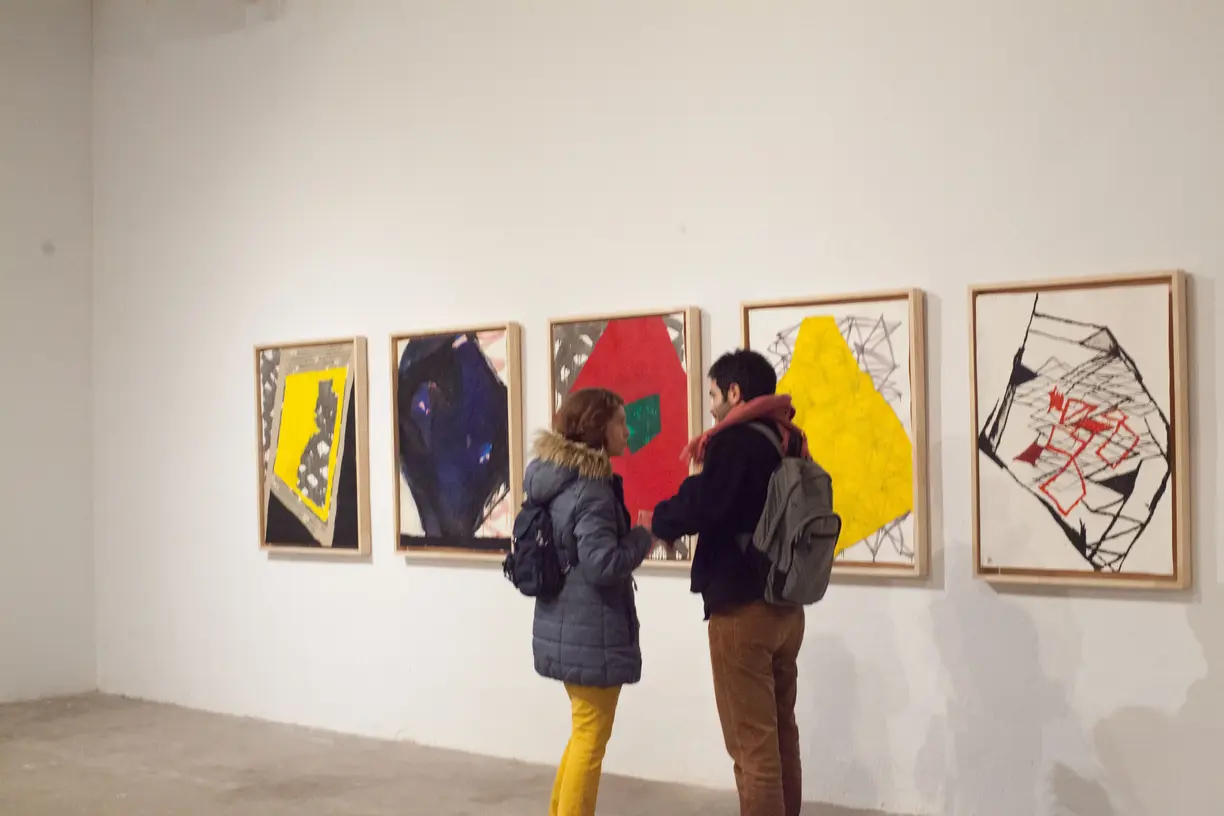
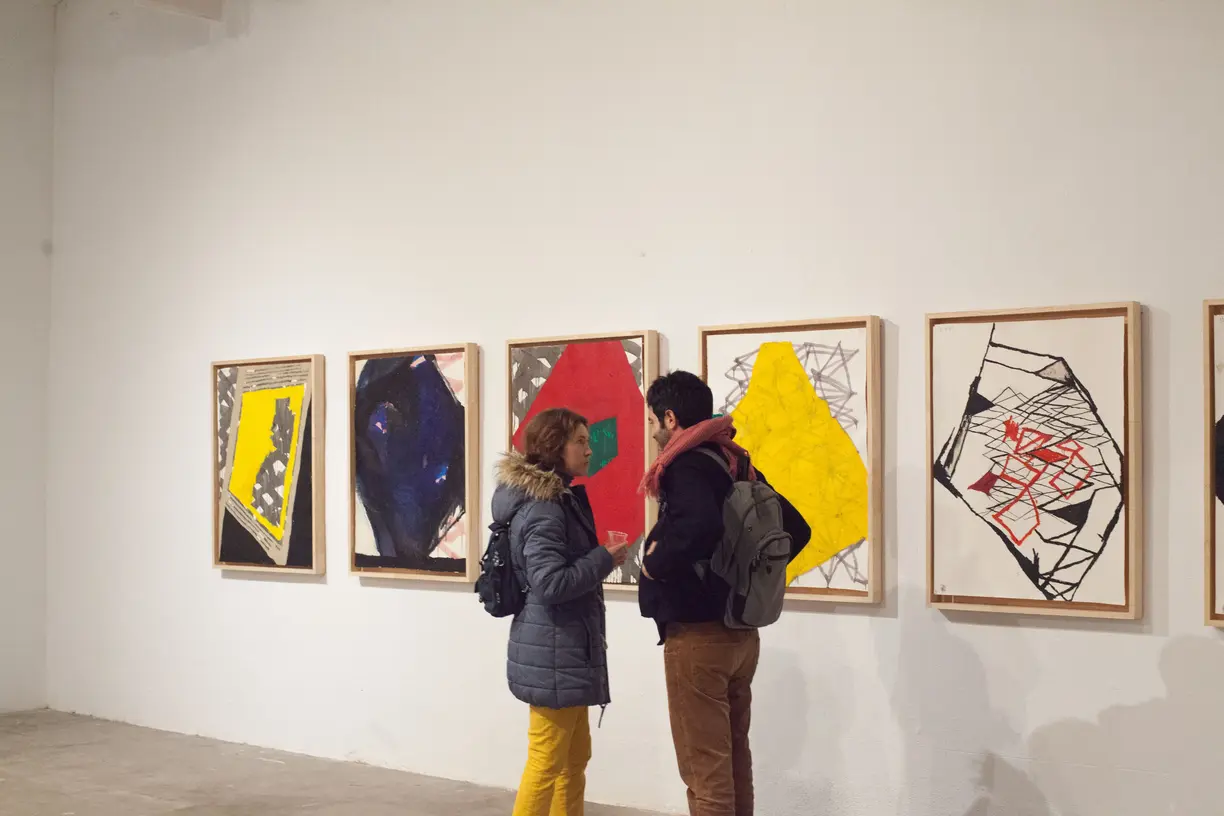
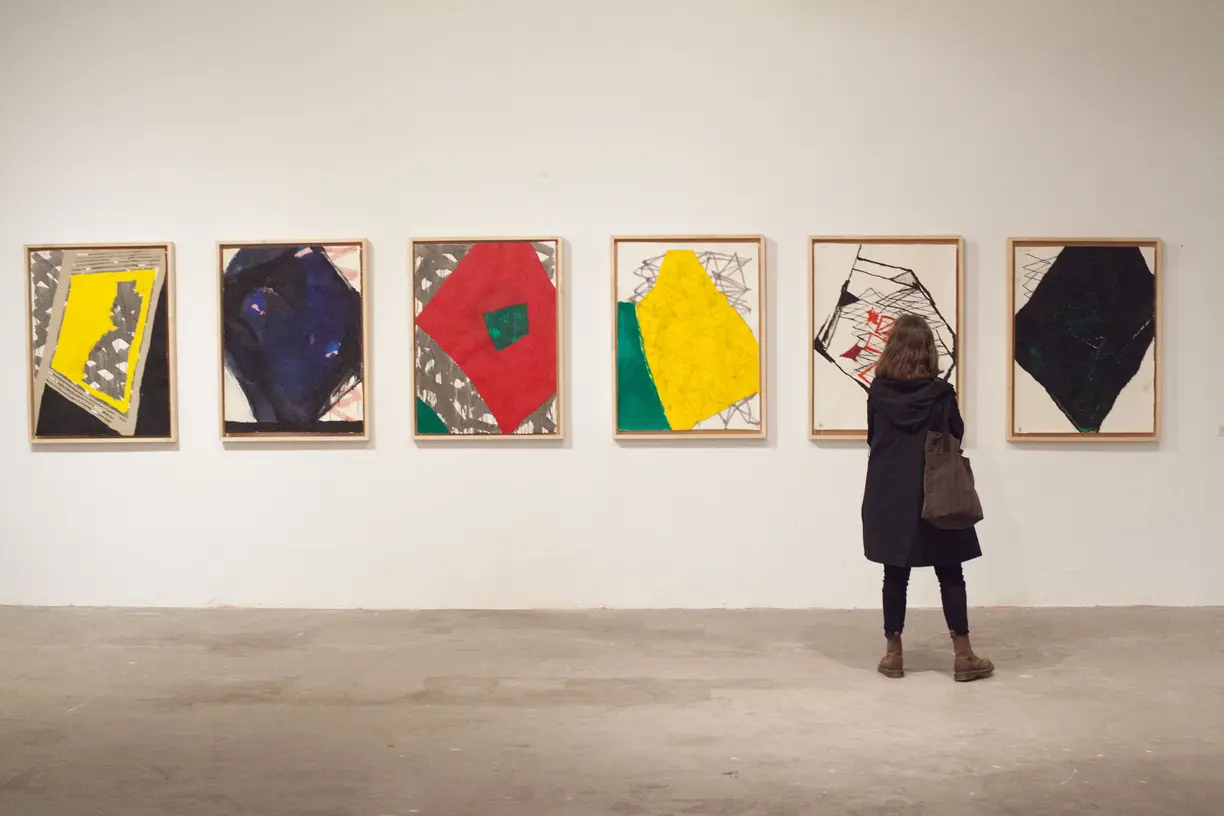
In these performances, the will prevails not to generate any illusion in the viewer that could suggest they are standing before a geometric painting — the fact of containing apparently geometric forms does not constitute it as such, being informally geometric. The actions indicated above seem, in principle, contrary (or not adequate) to established concepts, but paradoxically they are adopted and practised in the political, economic, legislative and even academic spheres.
These actions, applied to the creative process, explore in their realisation visible elements that show an absence of idealism of any kind, and situate the spectator against the possibility of being able to make the transition between concepts — established as positive — such as rationality, certainty, security, strength, prevention, foresight, structuring, uniqueness, etc., or concepts such as those shown by the aforementioned actions, more related to irrationality, uncertainty, precariousness, fragility, accident, random de-structuring, fragmentation, etc., frequently considered not so positive, but possessing a great transformative potential, which is why they yield unforeseen results.
“Our rationality is imperfect, cognitive alterations influenced by emotions, but also by the saturation of perceptions (…) We have decentralised the sovereign subject (…) we must immerse ourselves in the prudent search for imperfect solutions.” Manuel Arias Maldonado. Sentimental Democracy.
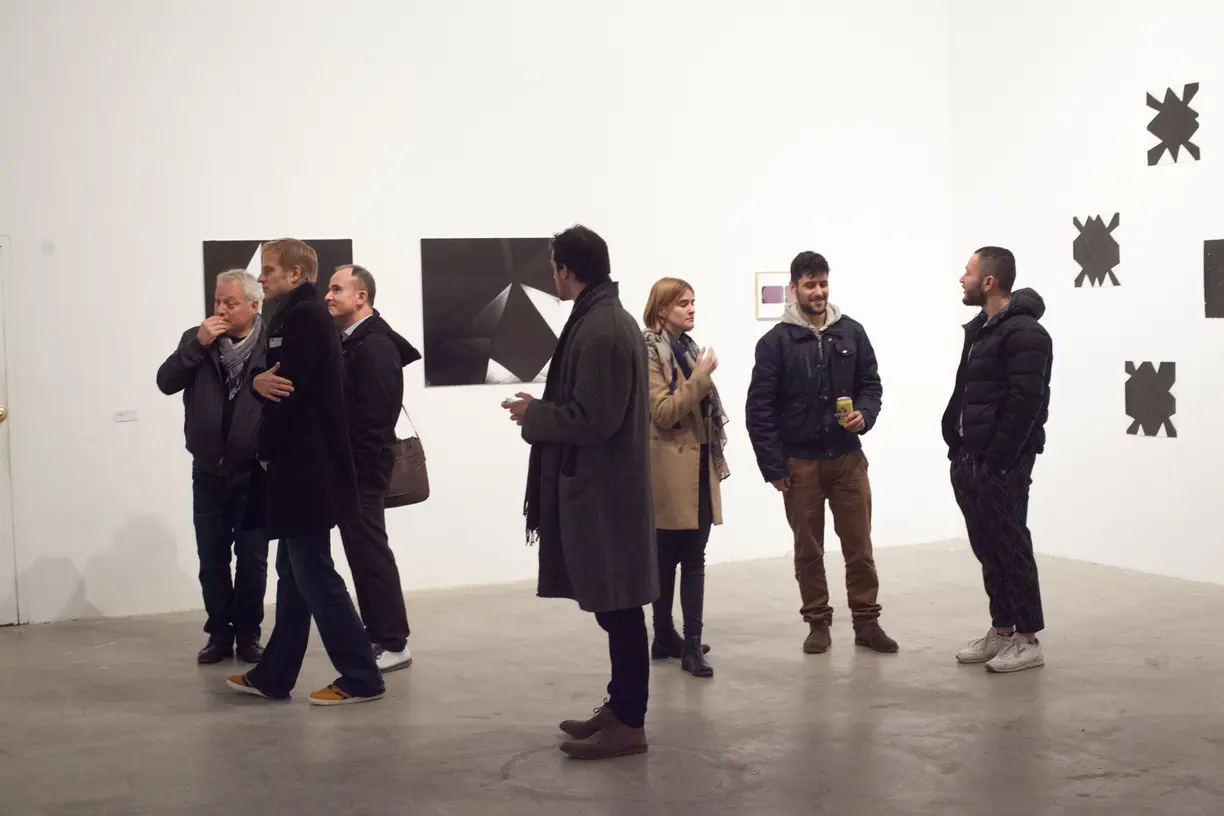
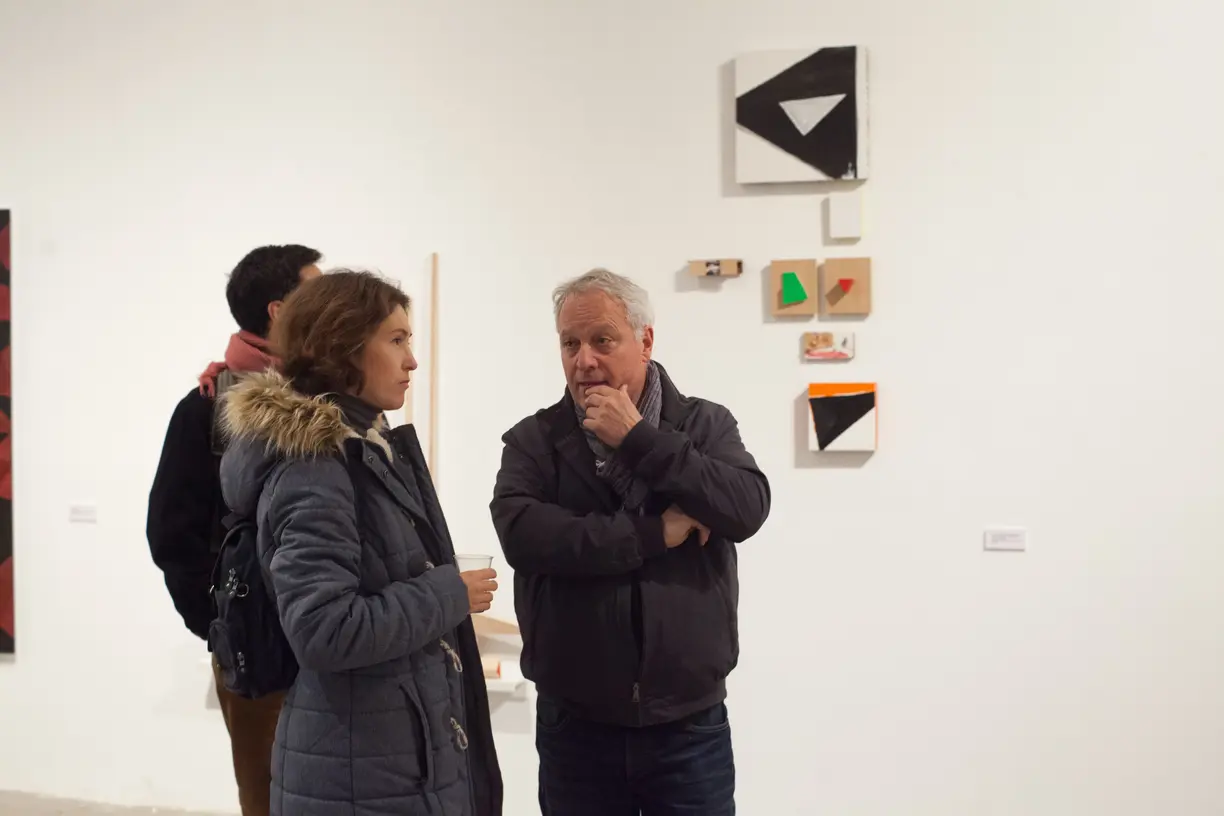
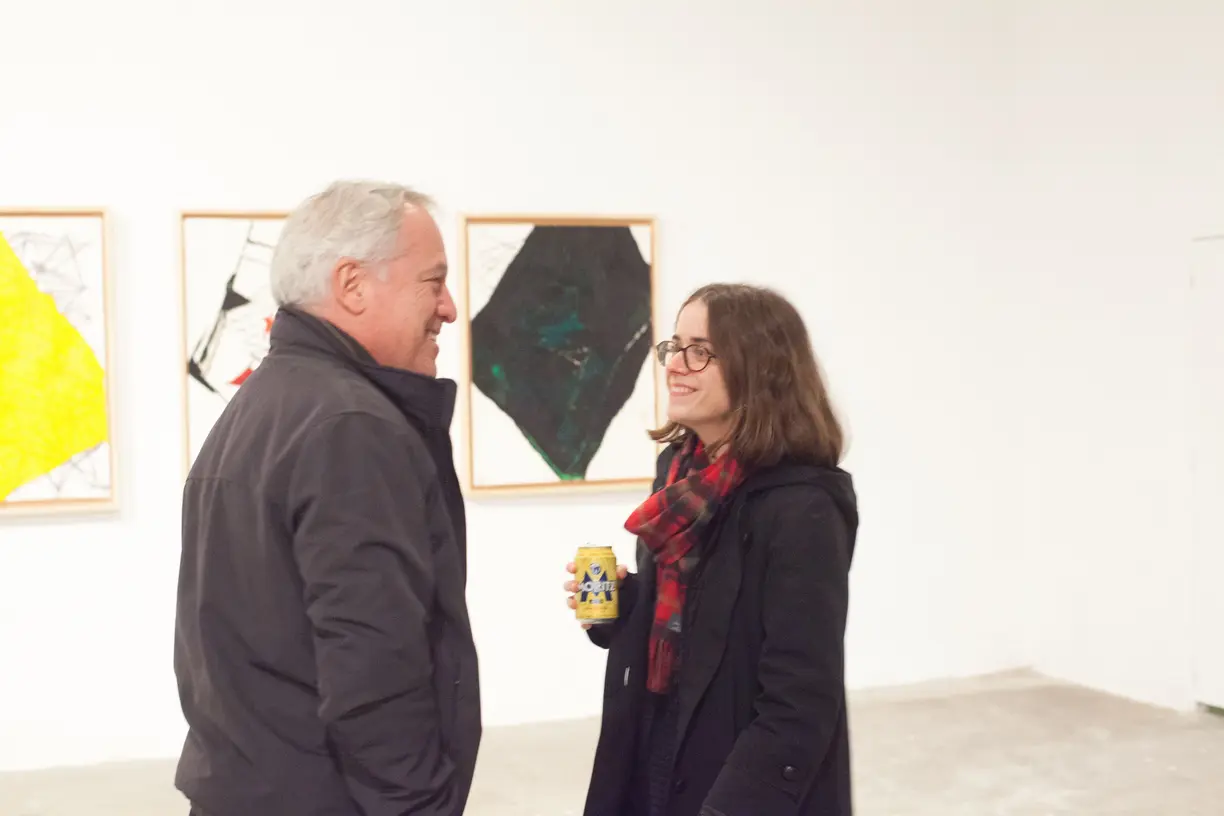
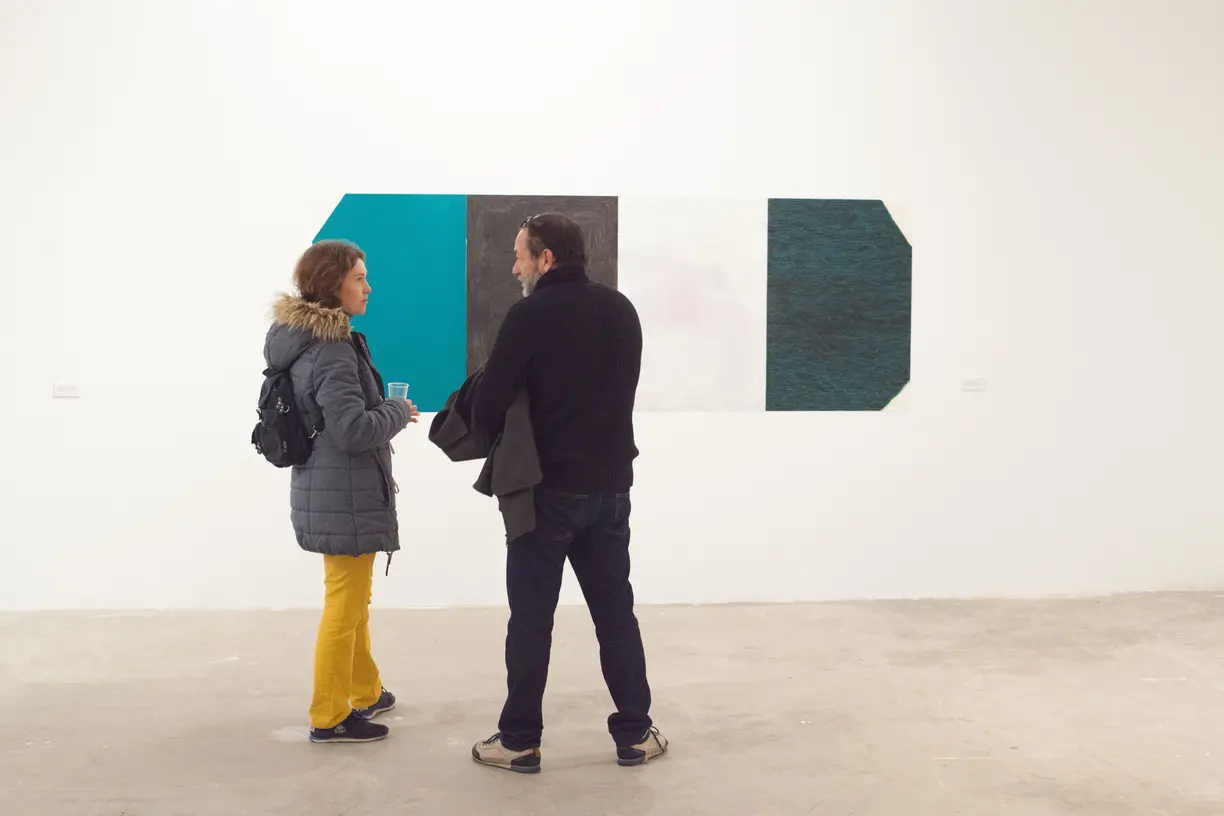
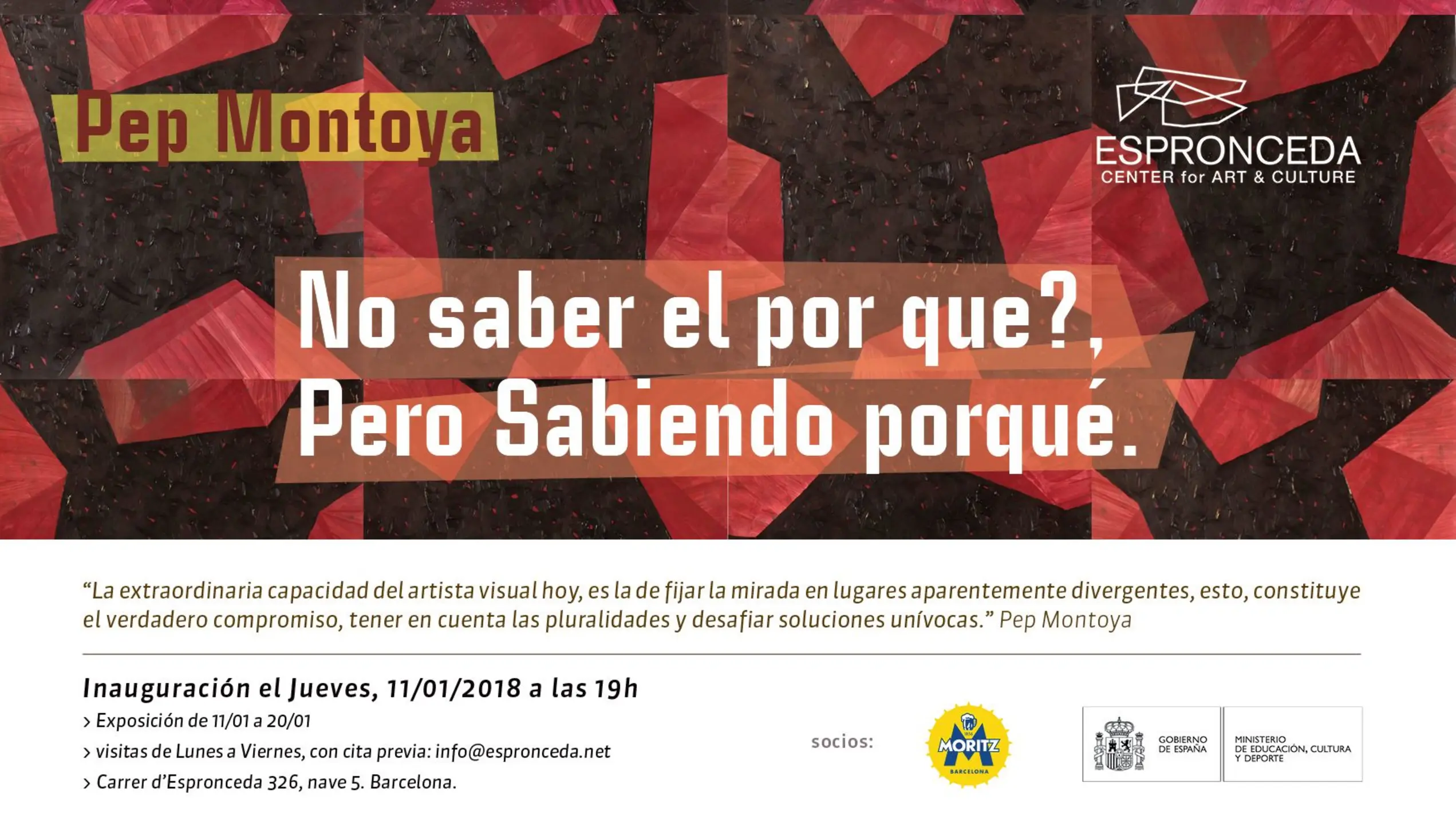
Despite having the awareness of “no perfect achievement”, there is the will to delve into the contingent and unpredictable (paraphrasing Martin Kippenberger: Not knowing the why?, but knowing the why…) in order to continue the exploration of the changing environment in which we are immersed. Here are the works presented.
Olesa de Montserrat, 12 December 2017