caesen
ESP | ENG | CAT

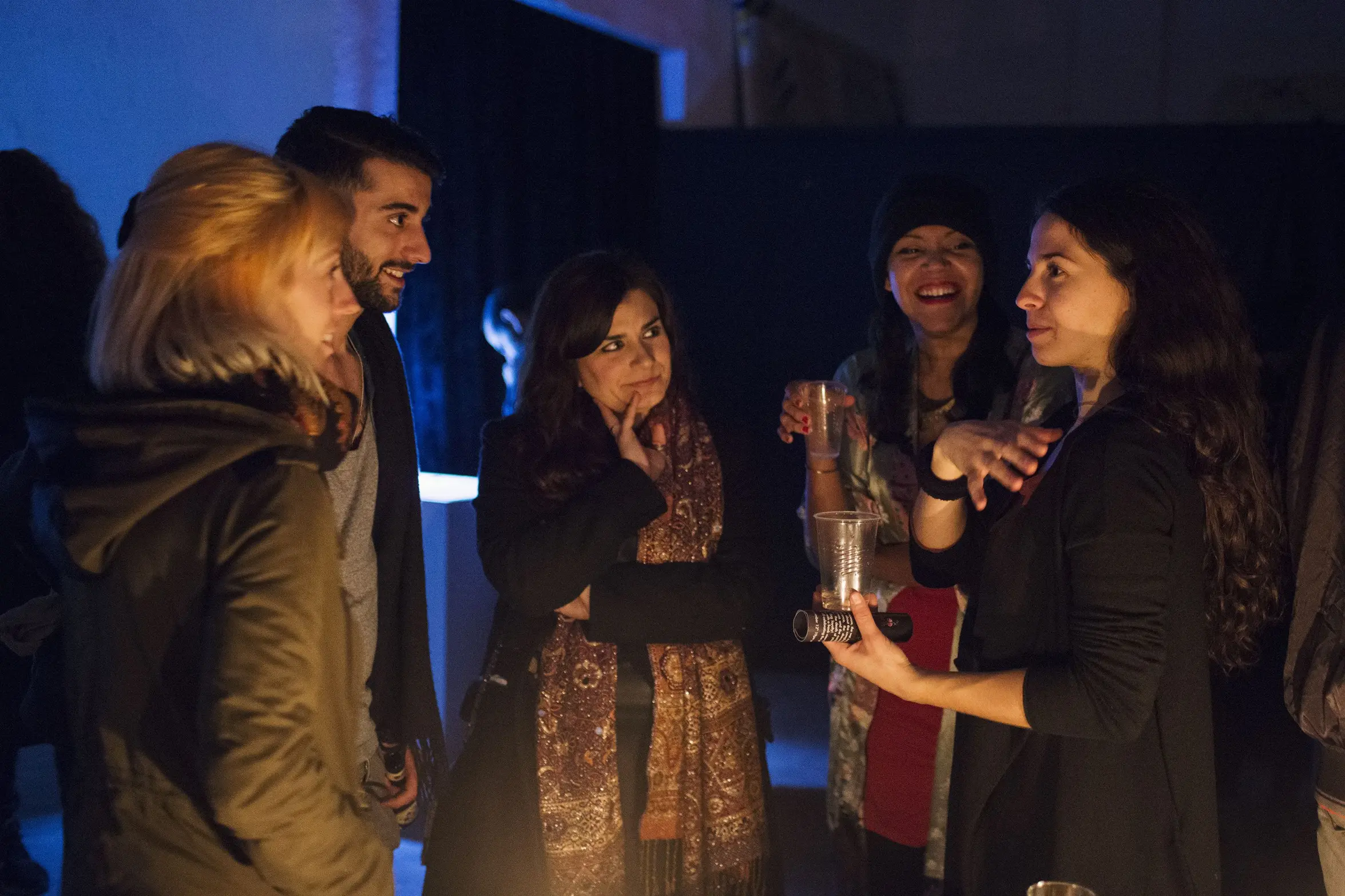
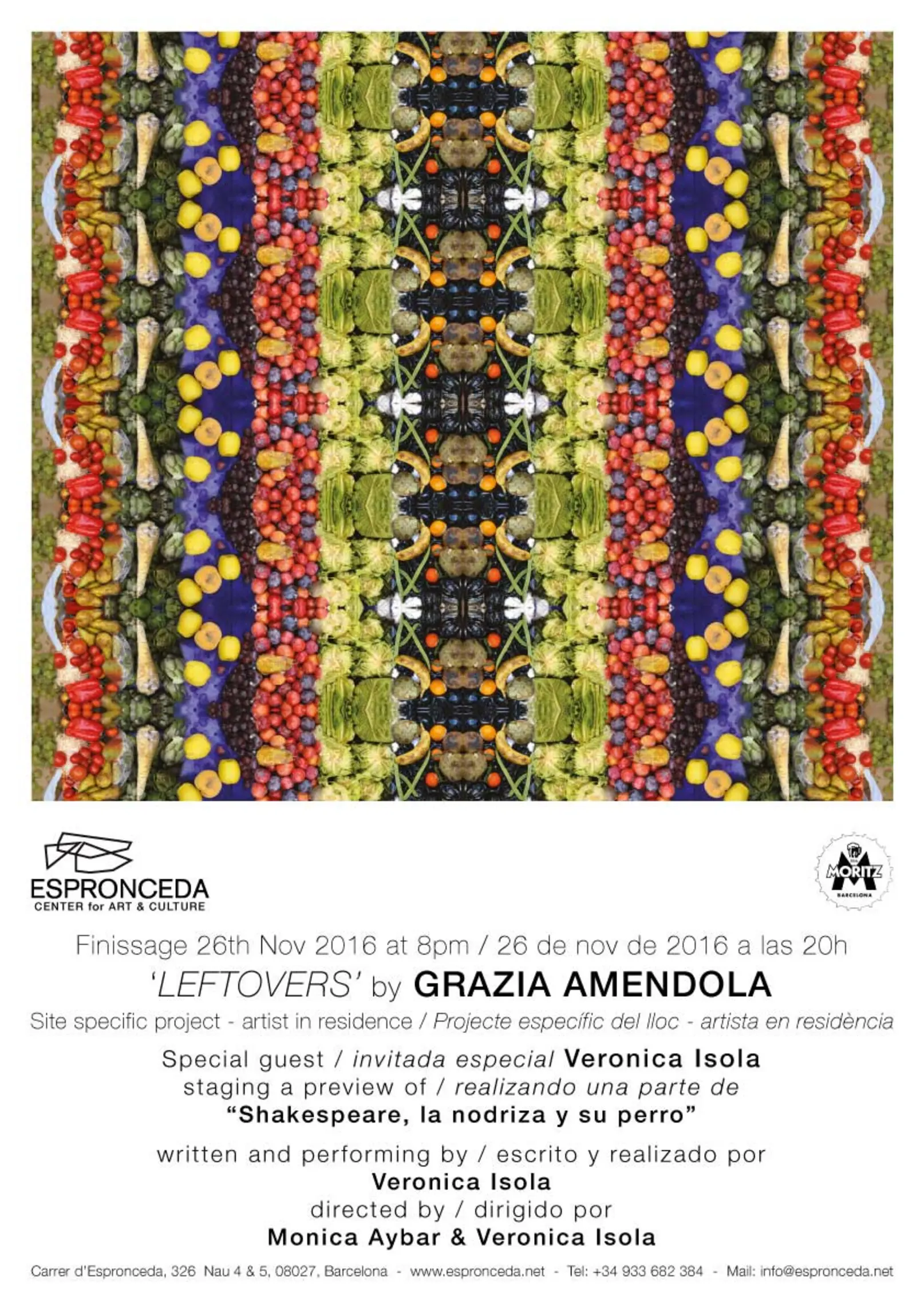
Opening ‘Leftovers’ by Grazia Amendola, 26 Nov

www.graziaamendola.com
www.veronicaisola.com

Video of Veronica Isola

“LEFTOVERS”

by GRAZIA AMENDOLA

Site-specific project – Artist in residence

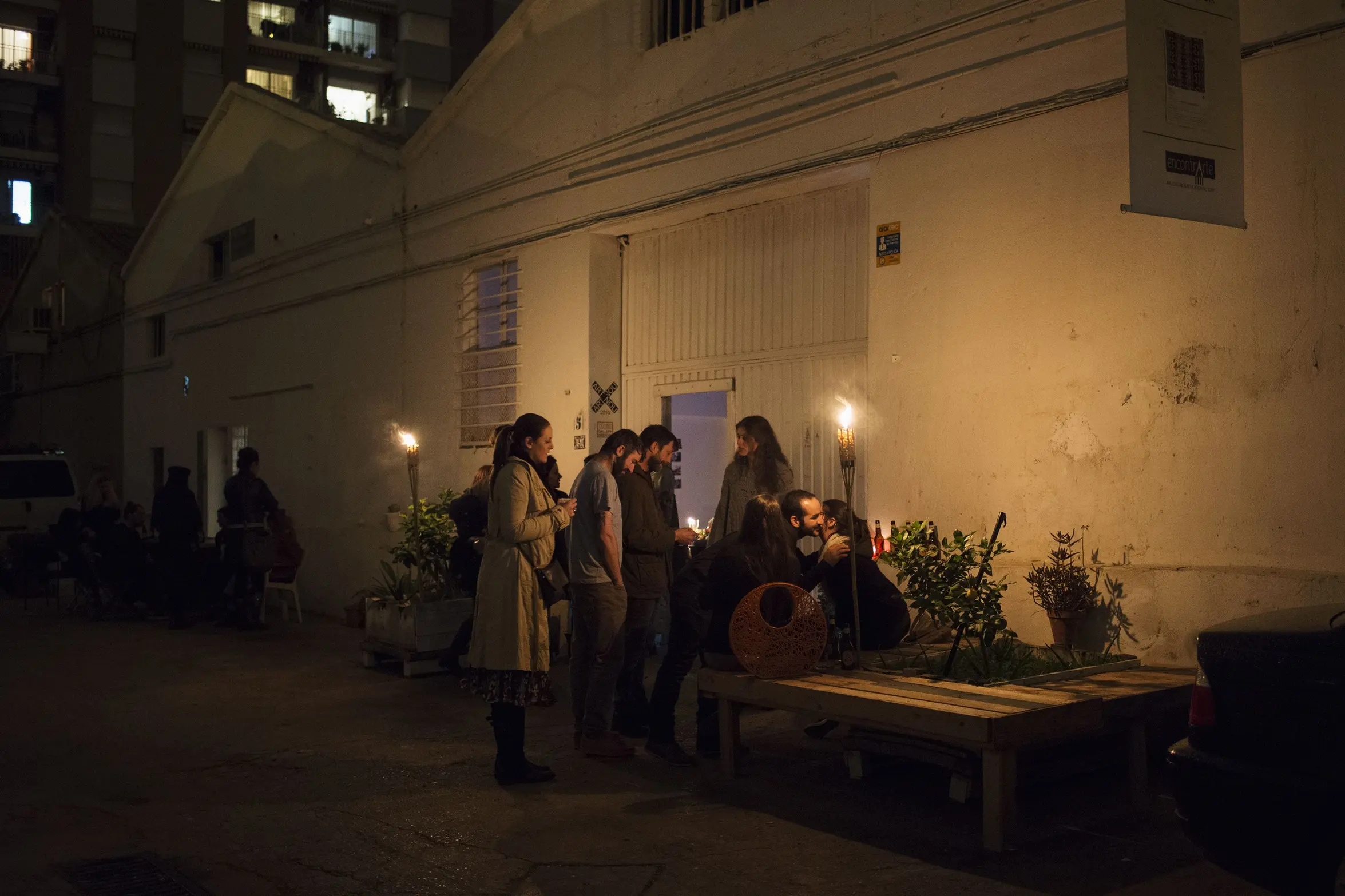
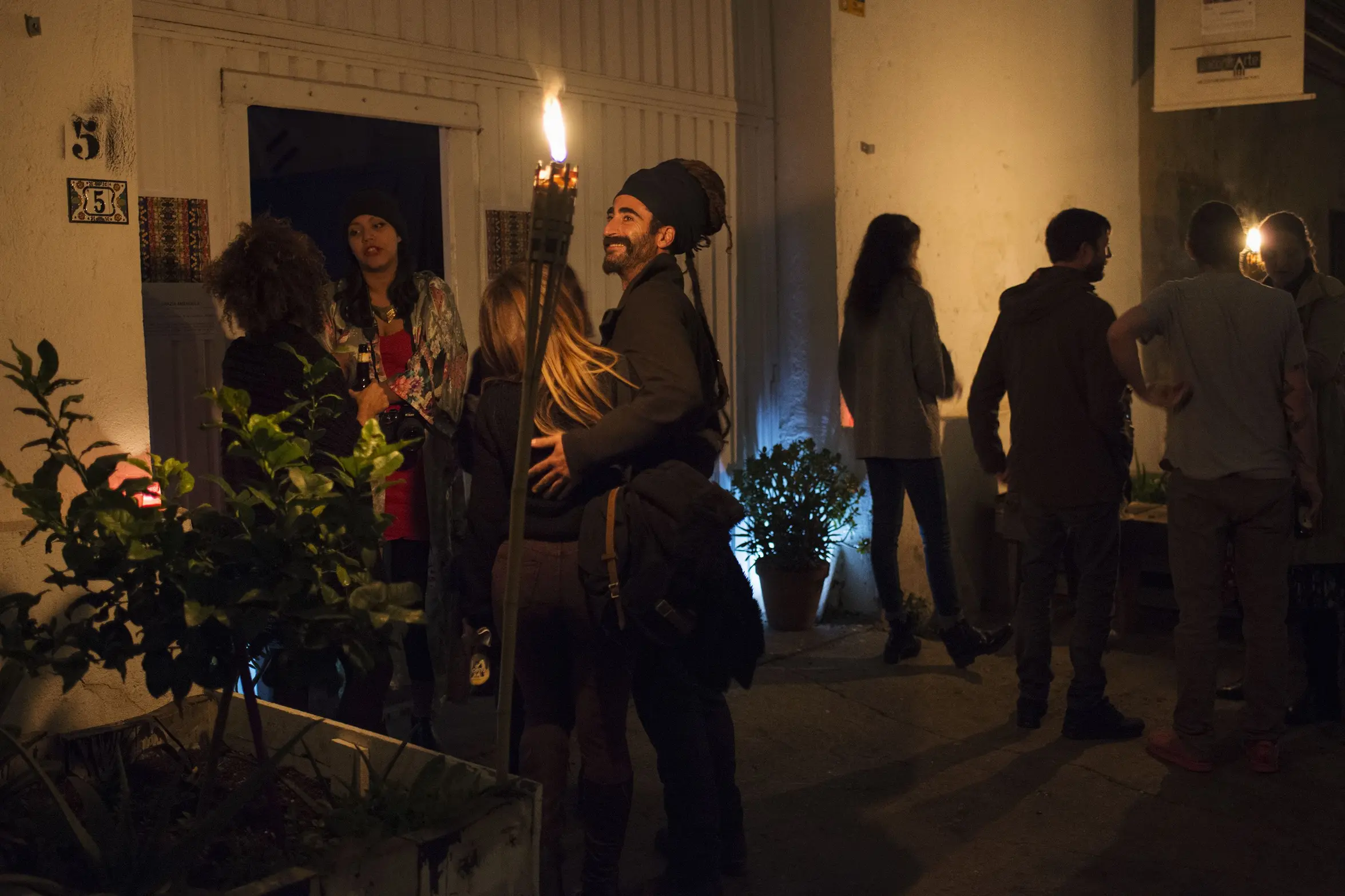
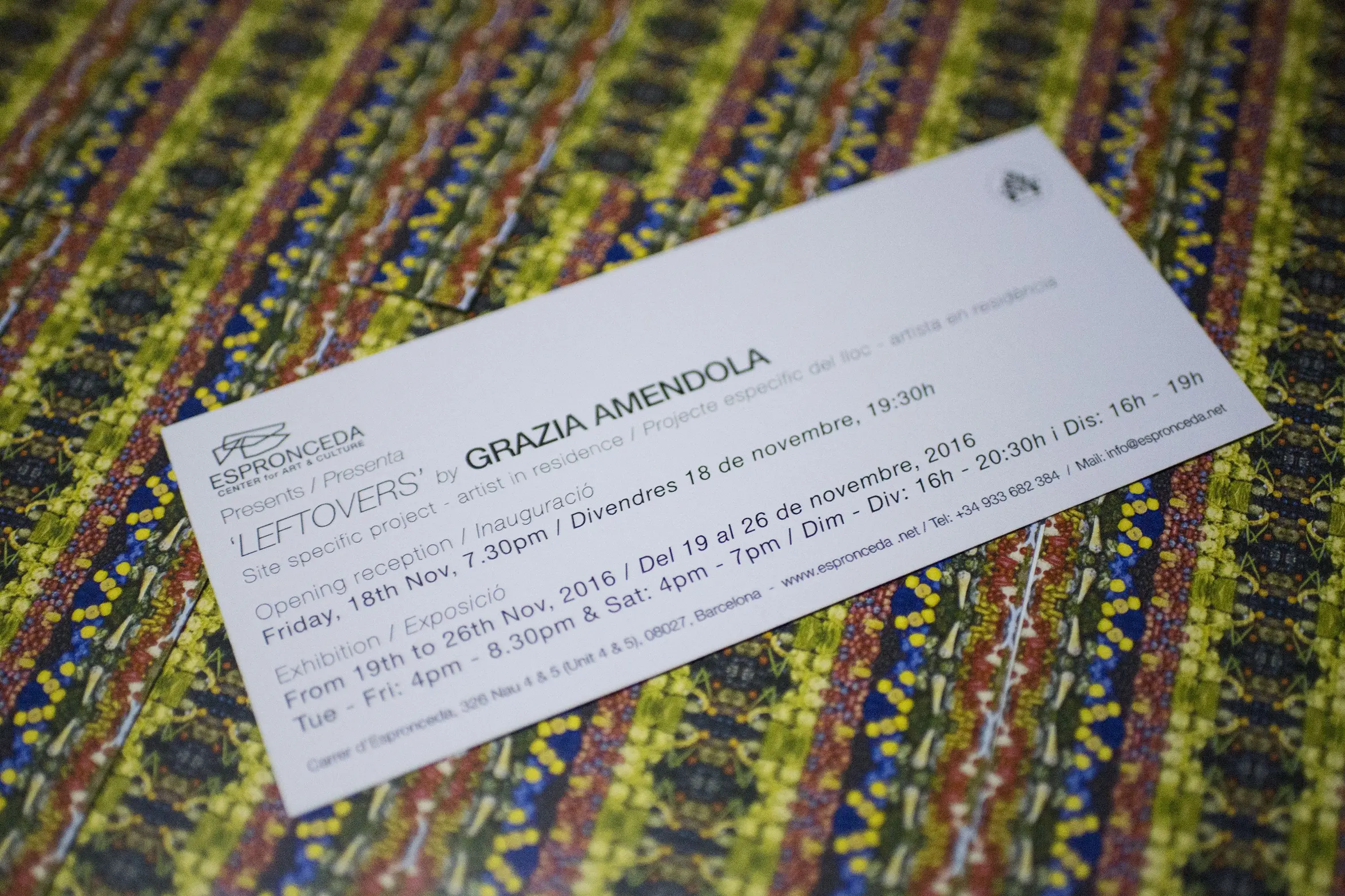
You are cordially invited on Saturday 26th of November at 8.00pm.
Exhibition ran from 19th to 26th of November 2016.

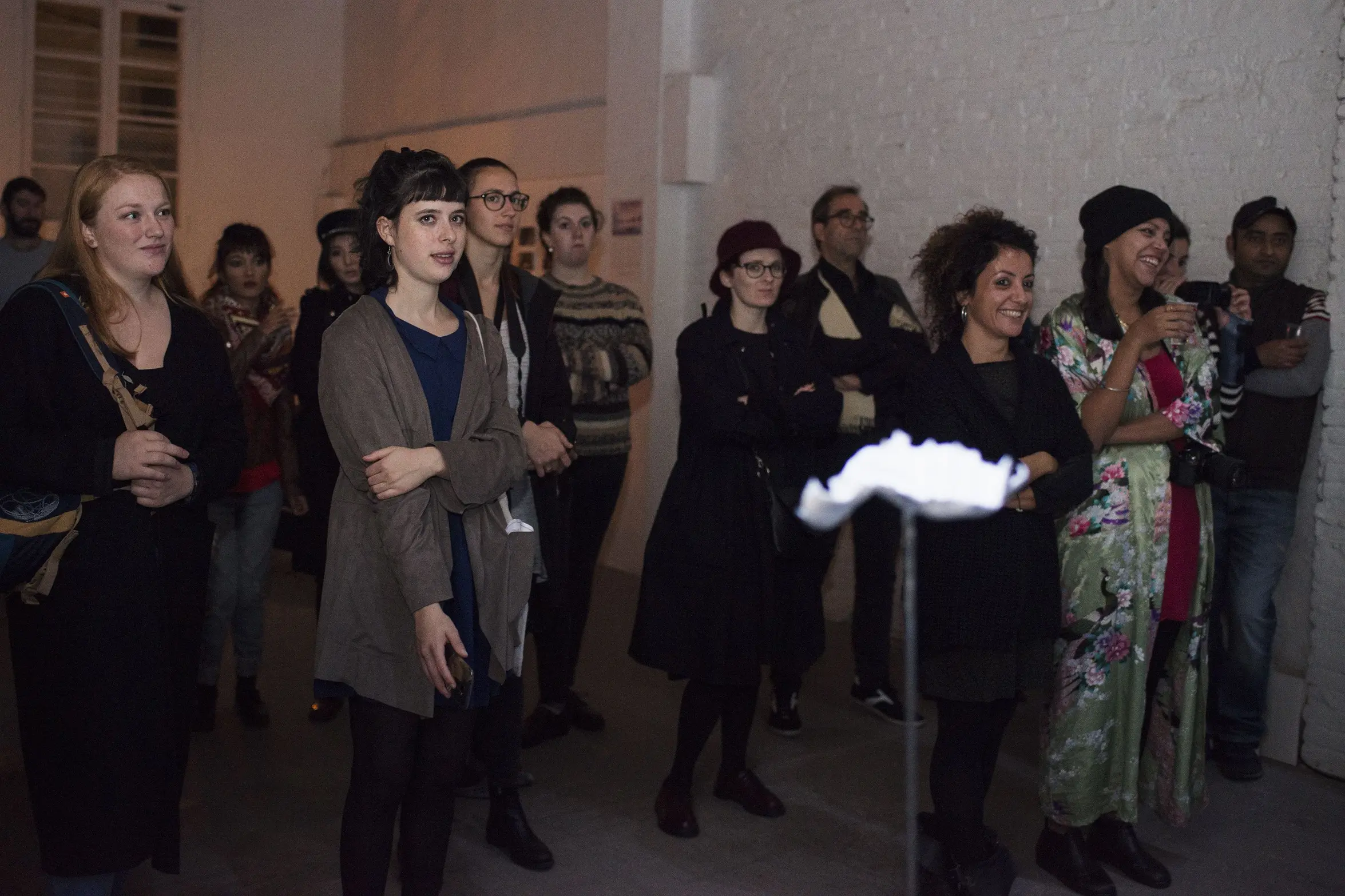
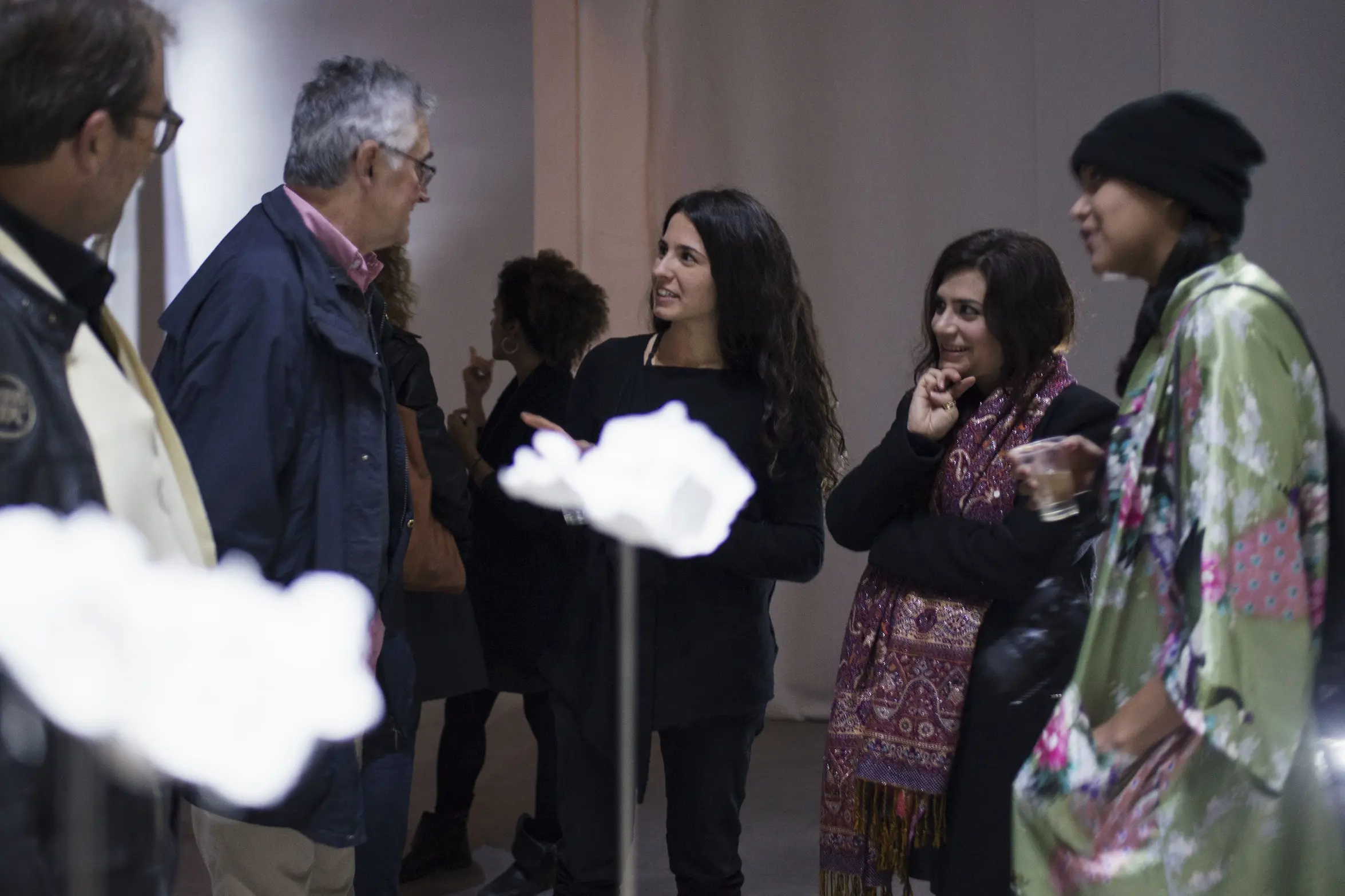
An opportunity to discover her artistic project Leftovers, a research realised in connection with Barcelona’s markets during her residency at Espronceda Centre in Barcelona.

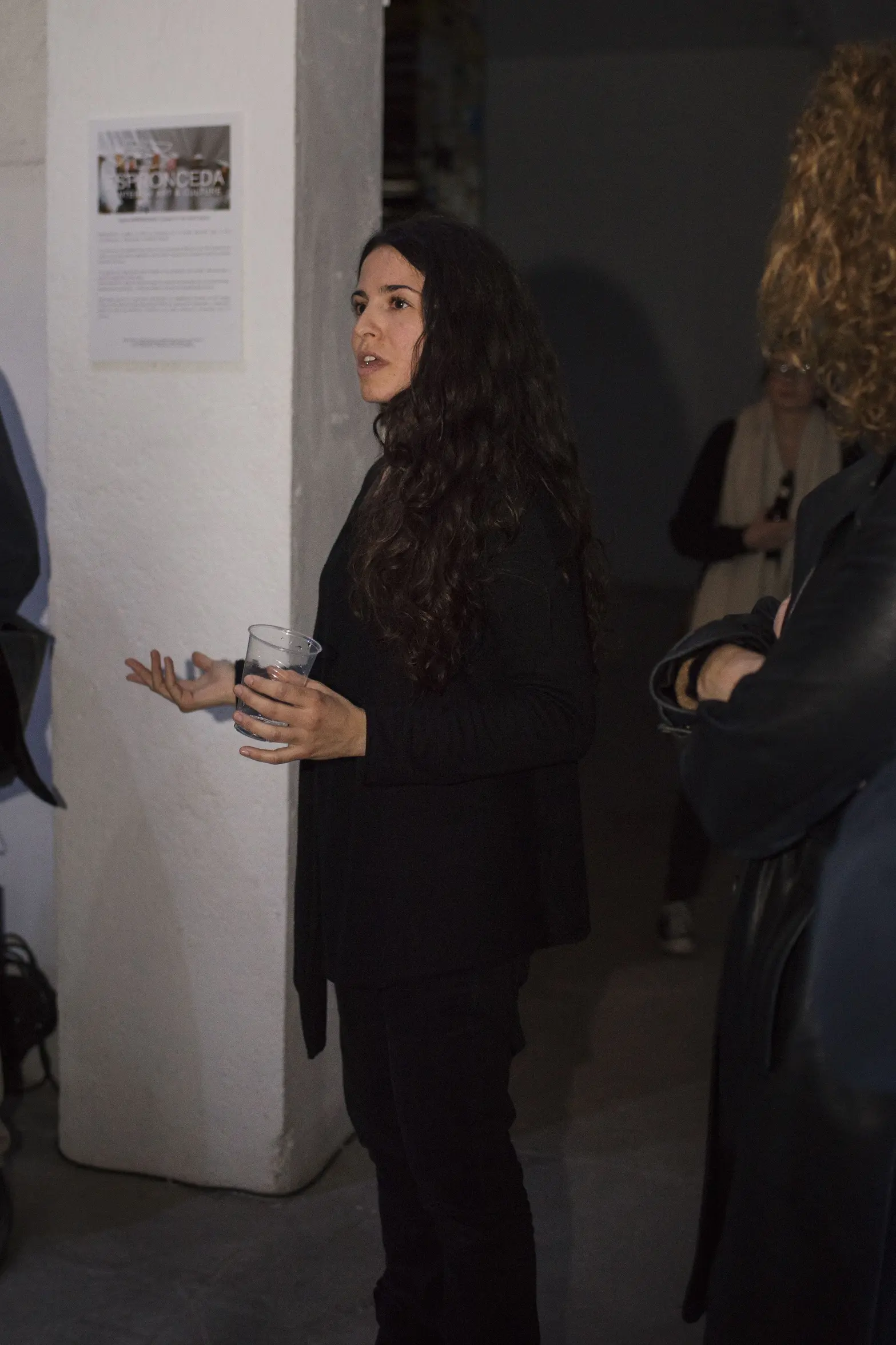
Special guest Veronica Isola, staging a preview of “Shakespeare, la nodriza y su perro”, inspired by “Romeo and Juliet”, written and performed by Veronica Isola, directed by Monica Aybar and Veronica Isola.

FREE ENTRY

VERNISSAGE WAS ON 18th NOVEMBER AT 7.30pm

OPENING HOURS: Tuesday to Friday, 4pm–8.30pm / Saturday 4pm–7pm


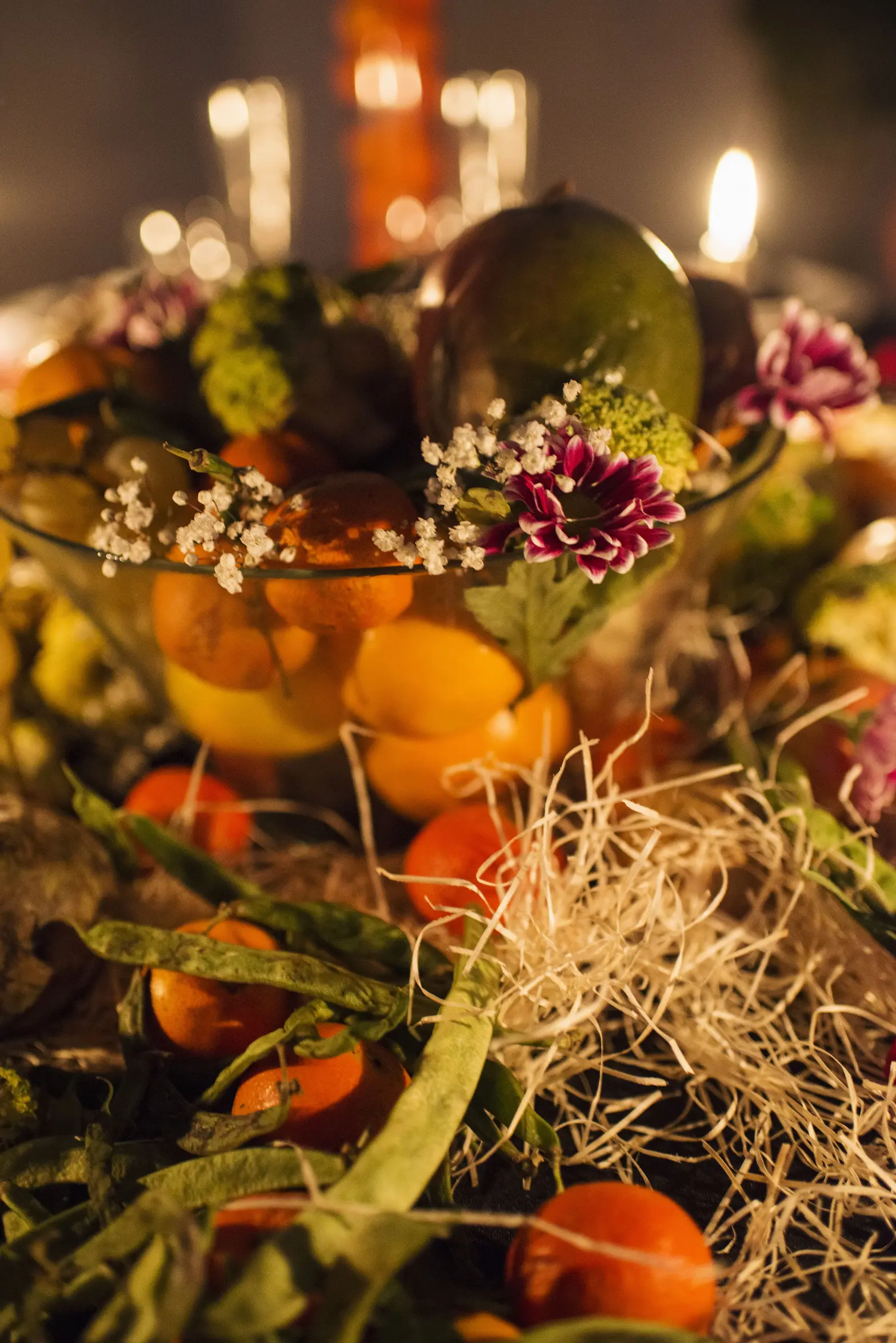
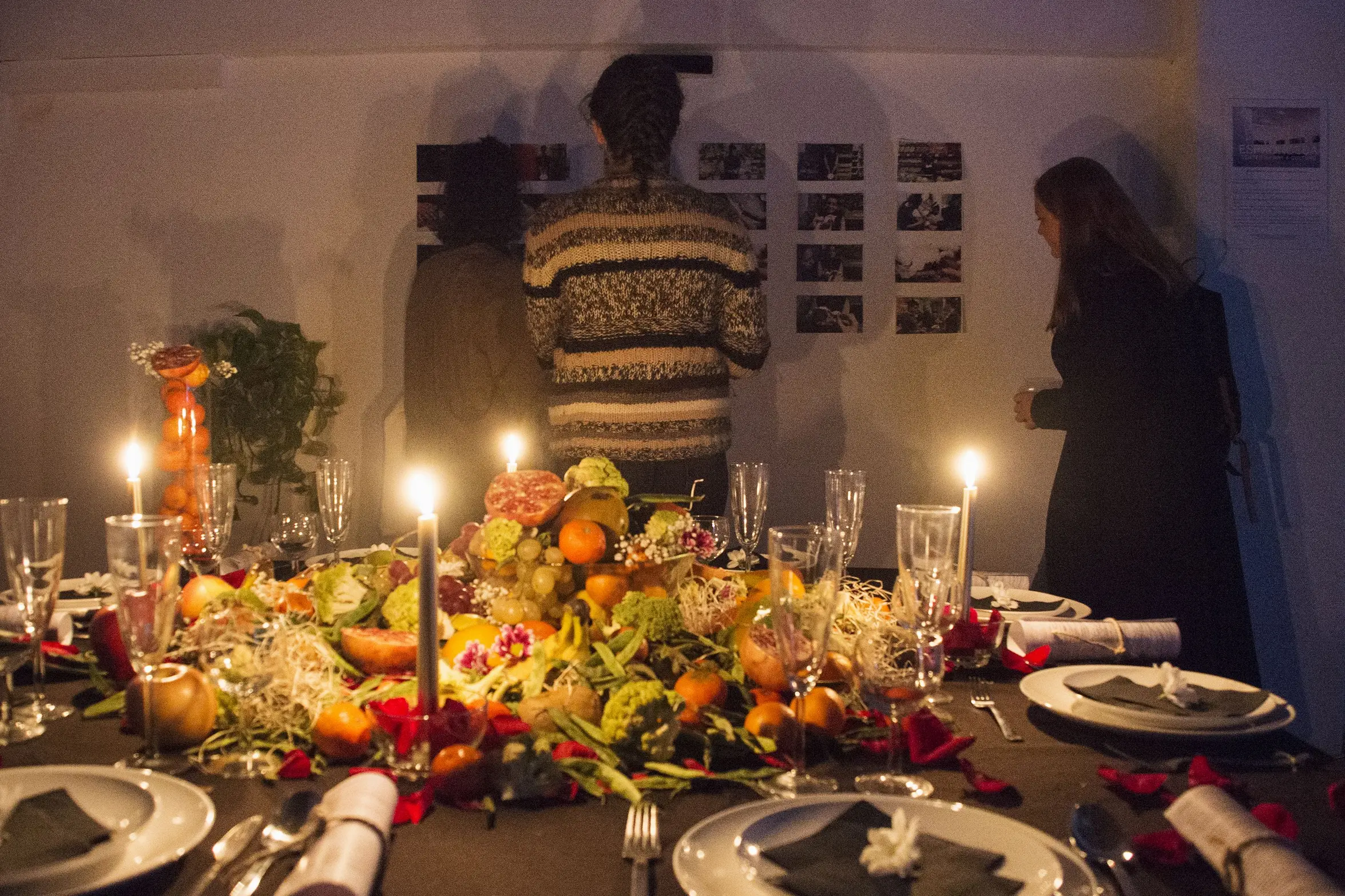
Grazia Amendola‘s project is inspired by the popular markets of Barcelona, by their particular structure, colours, food and sounds that make them alive and dynamic. The research focuses especially on the concept of “leftovers” as a metaphor and a socio-anthropological reflection on the value of food and its reuse when possible. Beyond the aesthetic beauty of the perfect “object”, those scented and captivating towers of merchandise become waste, rubbish and leftovers after closing time. The artist reworks heaps of garbage, rubble and production waste, creating impressive and massive towers, thereby stripping consumer goods of their social nature and turning them into a hypnotic form dressed in sacredness.

Grazia Amendola also wishes to underline the importance of markets as a significant centre of daily life and the culture of an area — places that produce and reproduce daily relationships between people, triggering processes of socialisation in a mechanism of anthropological automatism. Her reflection refers to the essence of perfect food, to “waste”, to the lives of market workers in connection with the poetry of José de Espronceda, in particular his poem “El mendigo”. The exhibition space becomes a sort of translation of the leftovers produced at the market, poetically recounting the story of human experience behind a market stall and its worker. The approach to the exhibition site is direct; the place itself becomes the starting point for the development of the artistic research. This principle is one of the main aspects of Grazia Amendola’s work, through which she continually seeks to relate her practice to the environment in which it was born and took shape, highlighting the ongoing relationship between humankind and nature, in a balance derived only from mutual and constant respect.

About the artist

more pictures

“Leftover is a thing that remains after something is finished or ended.”
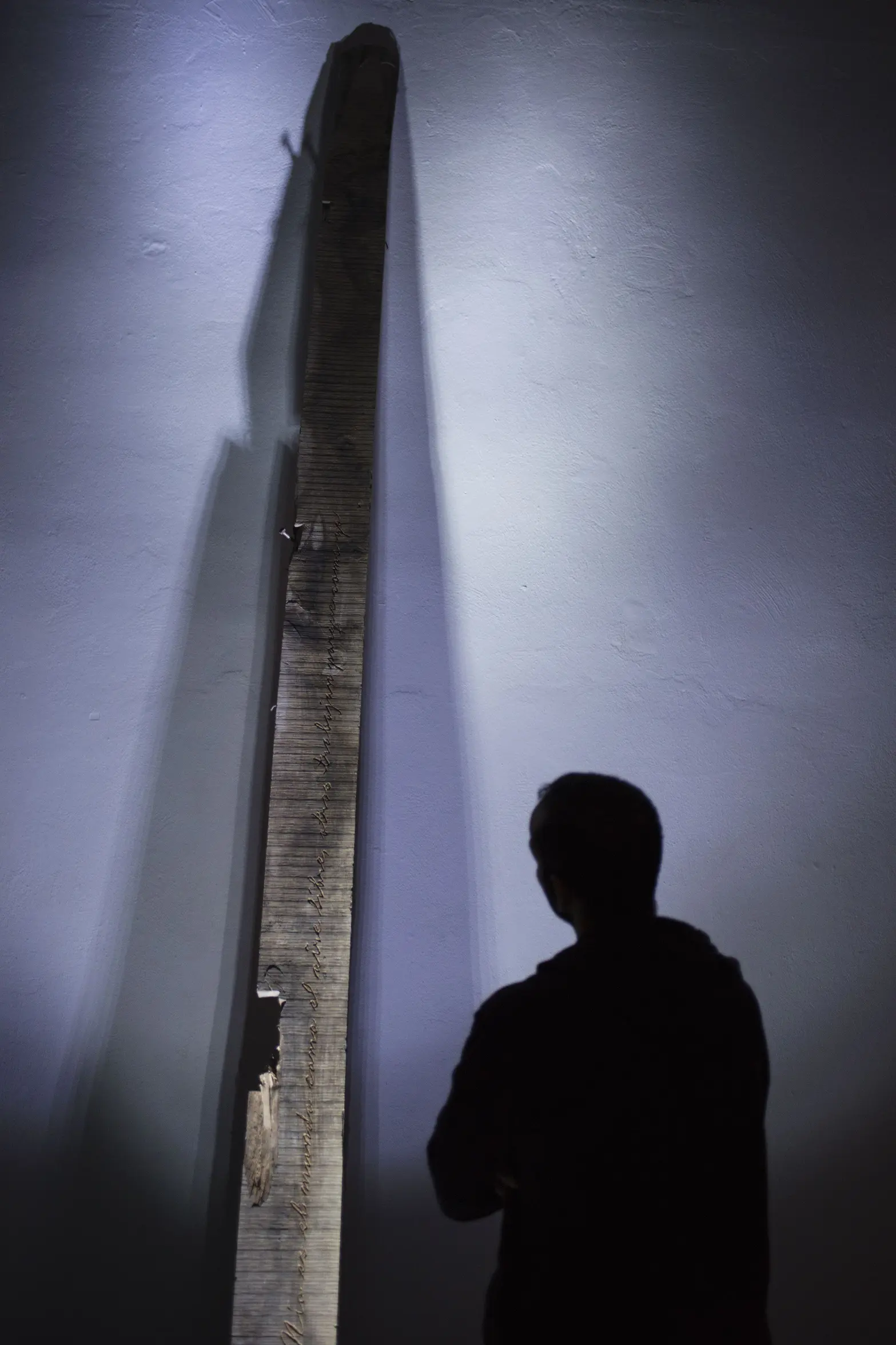
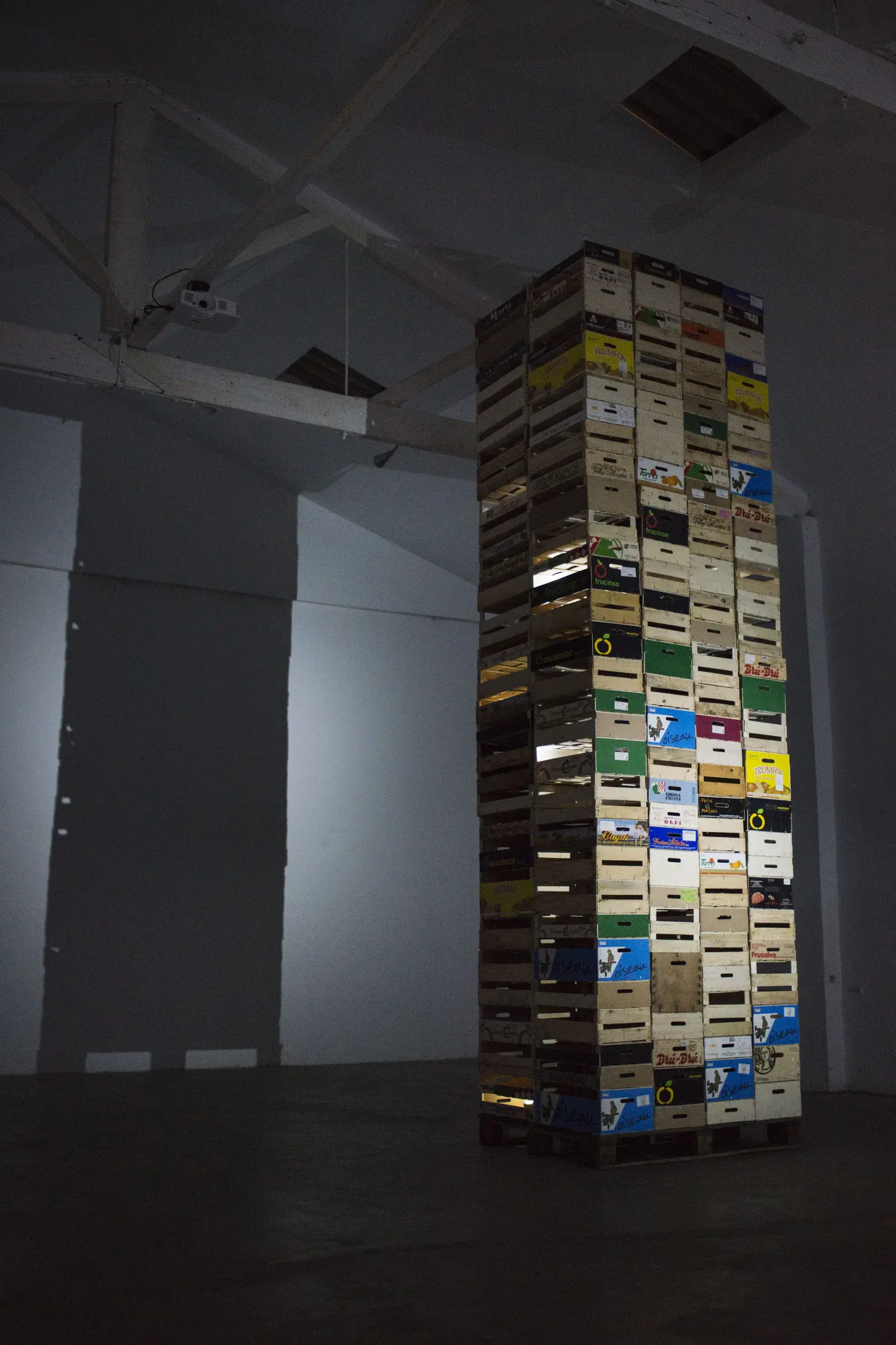
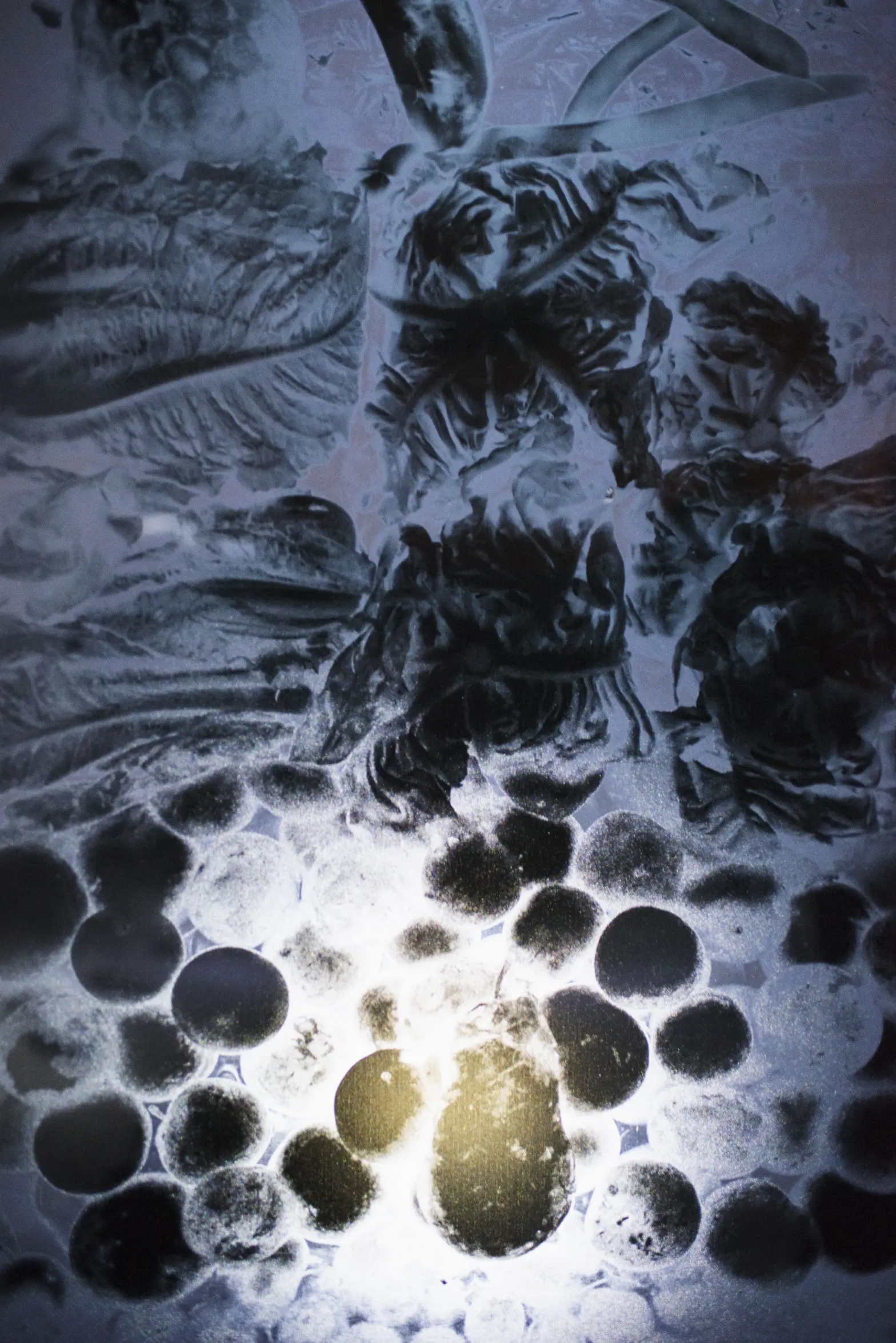
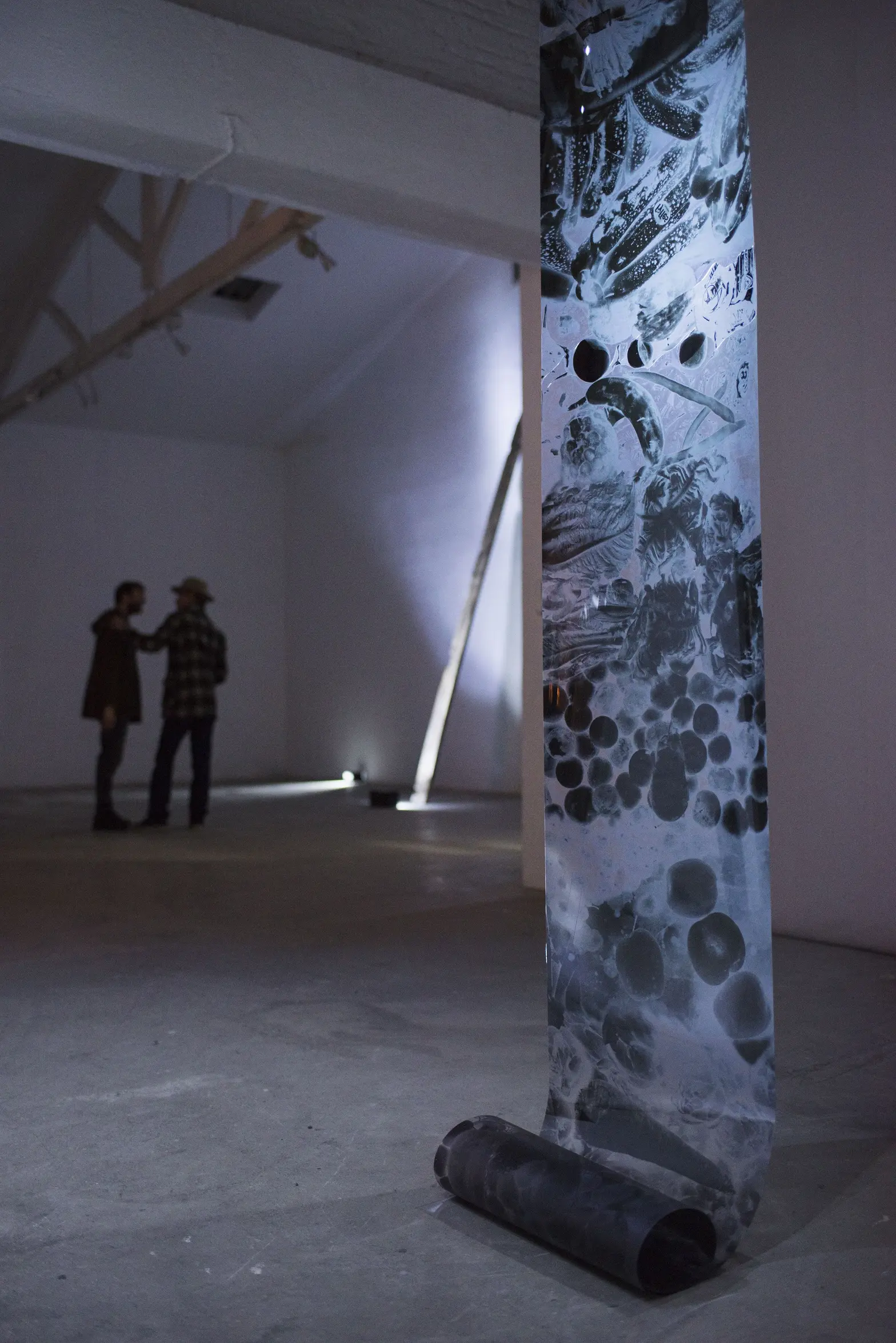
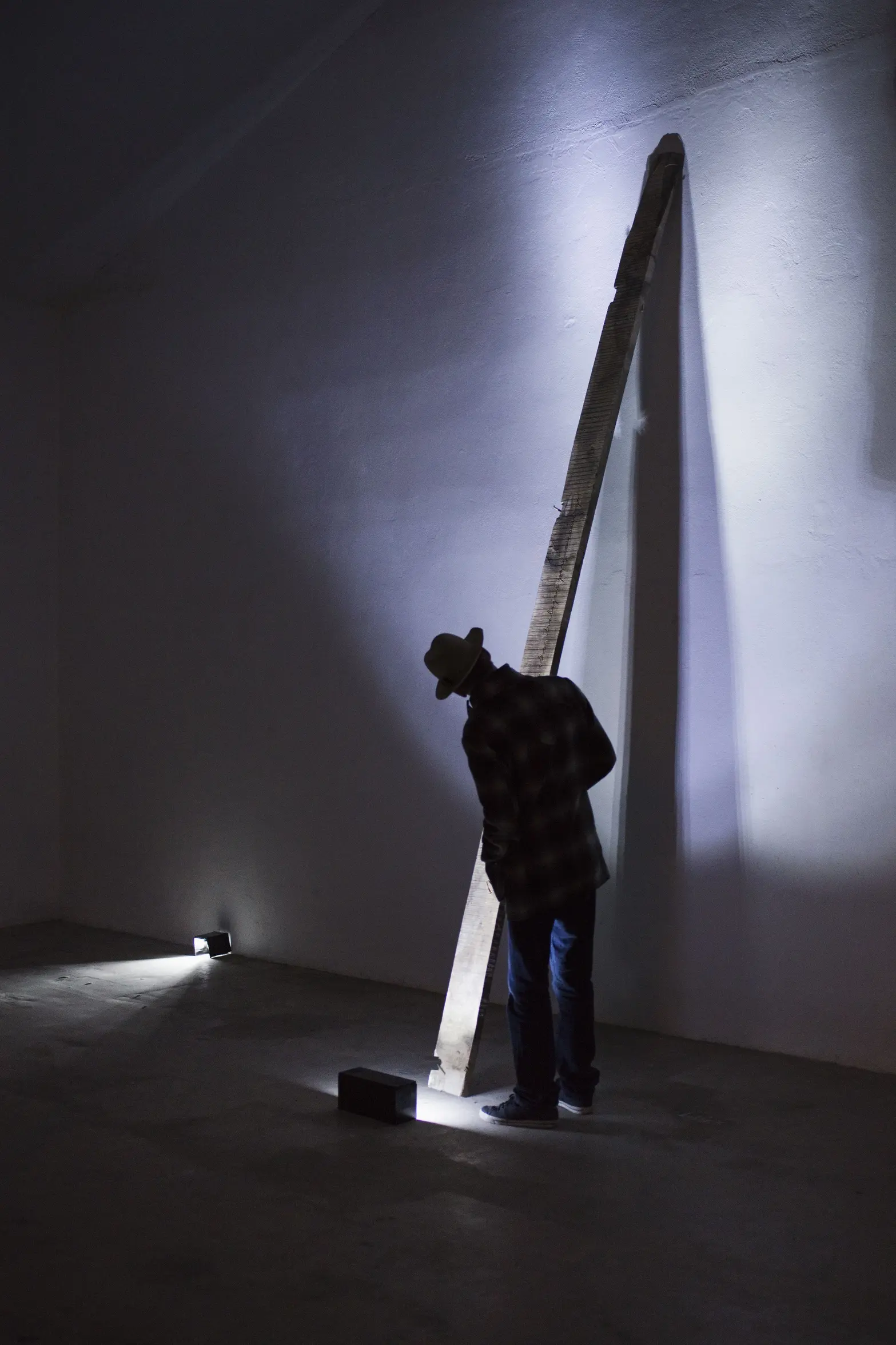
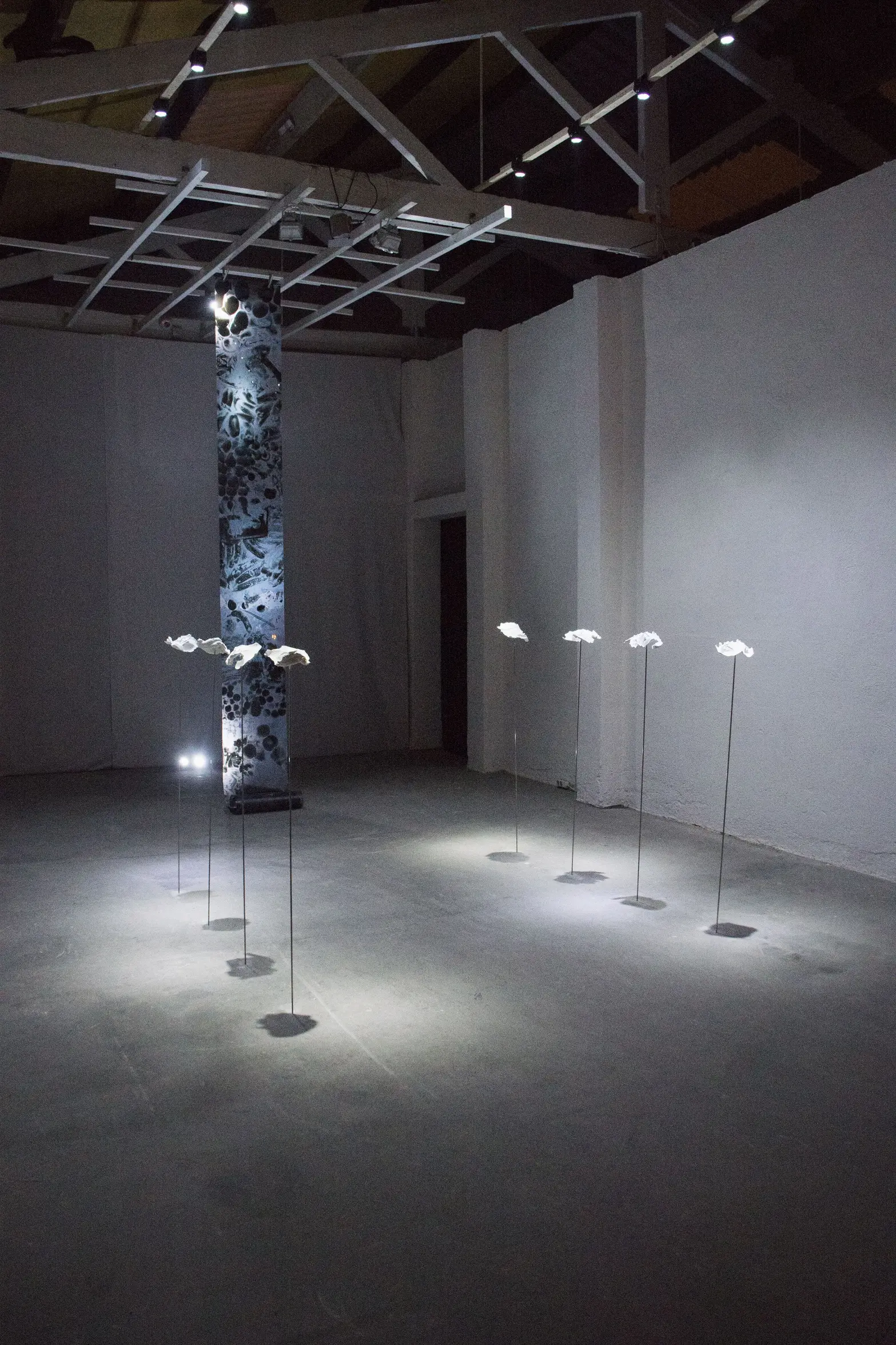
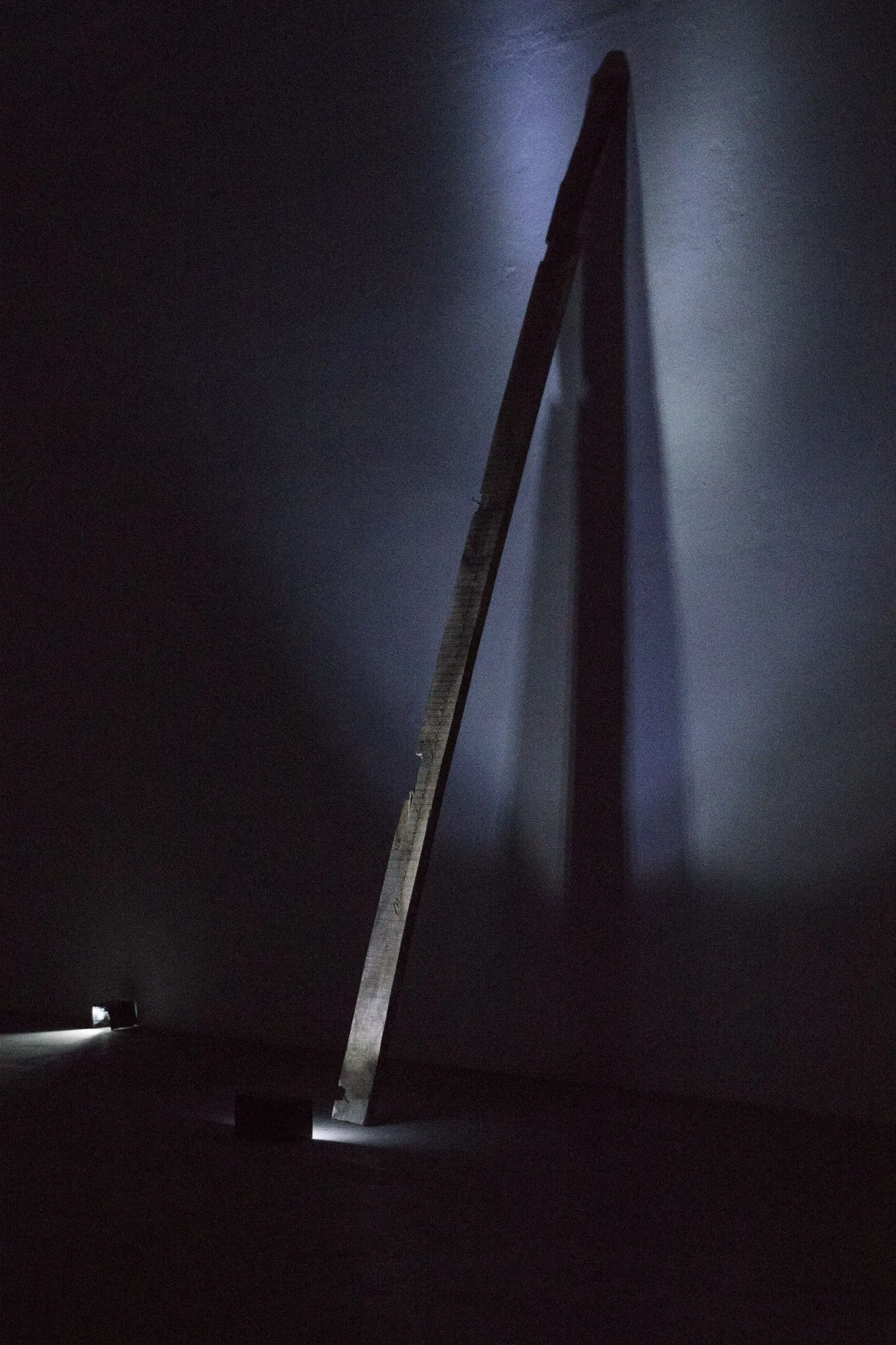
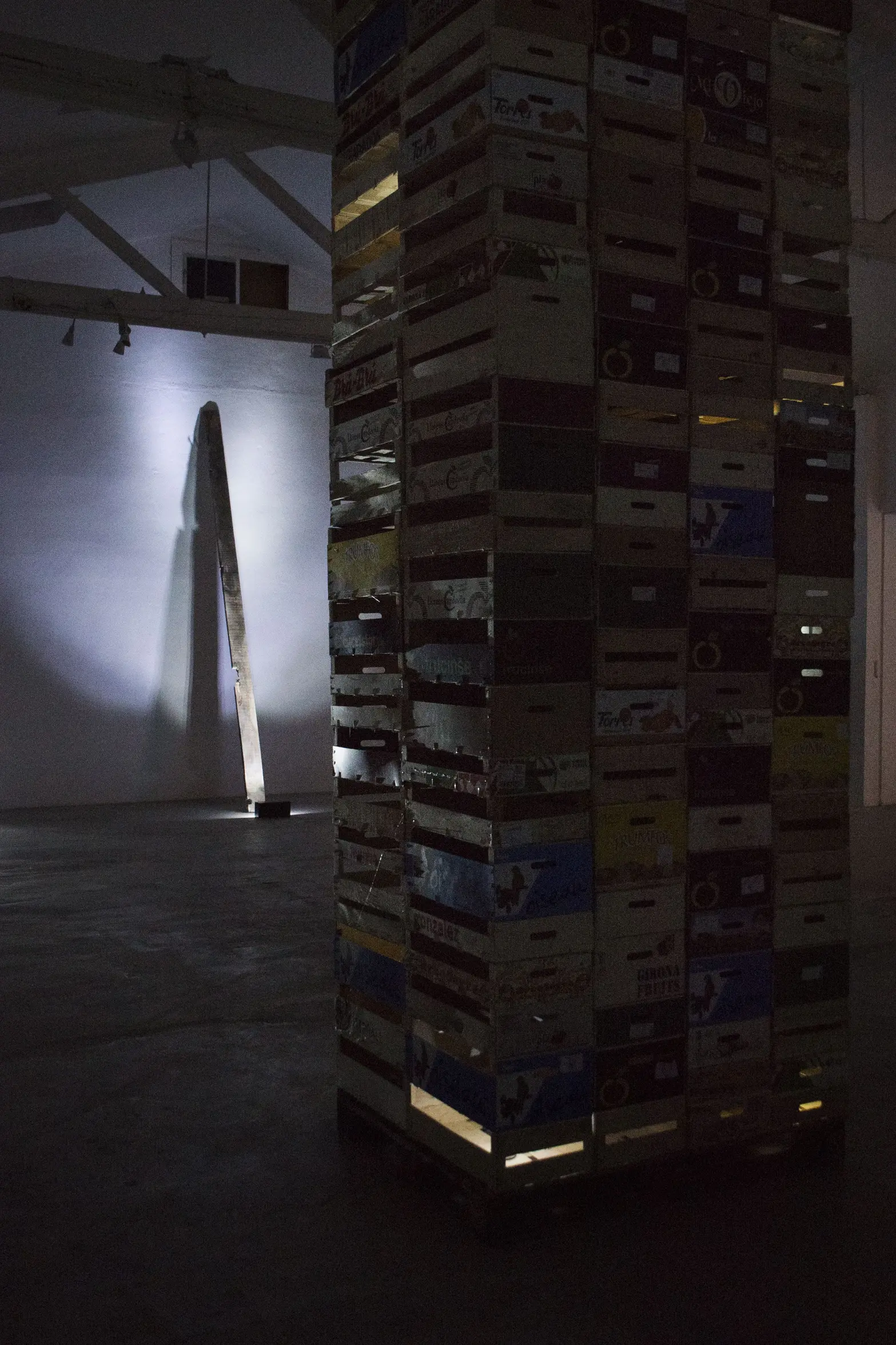
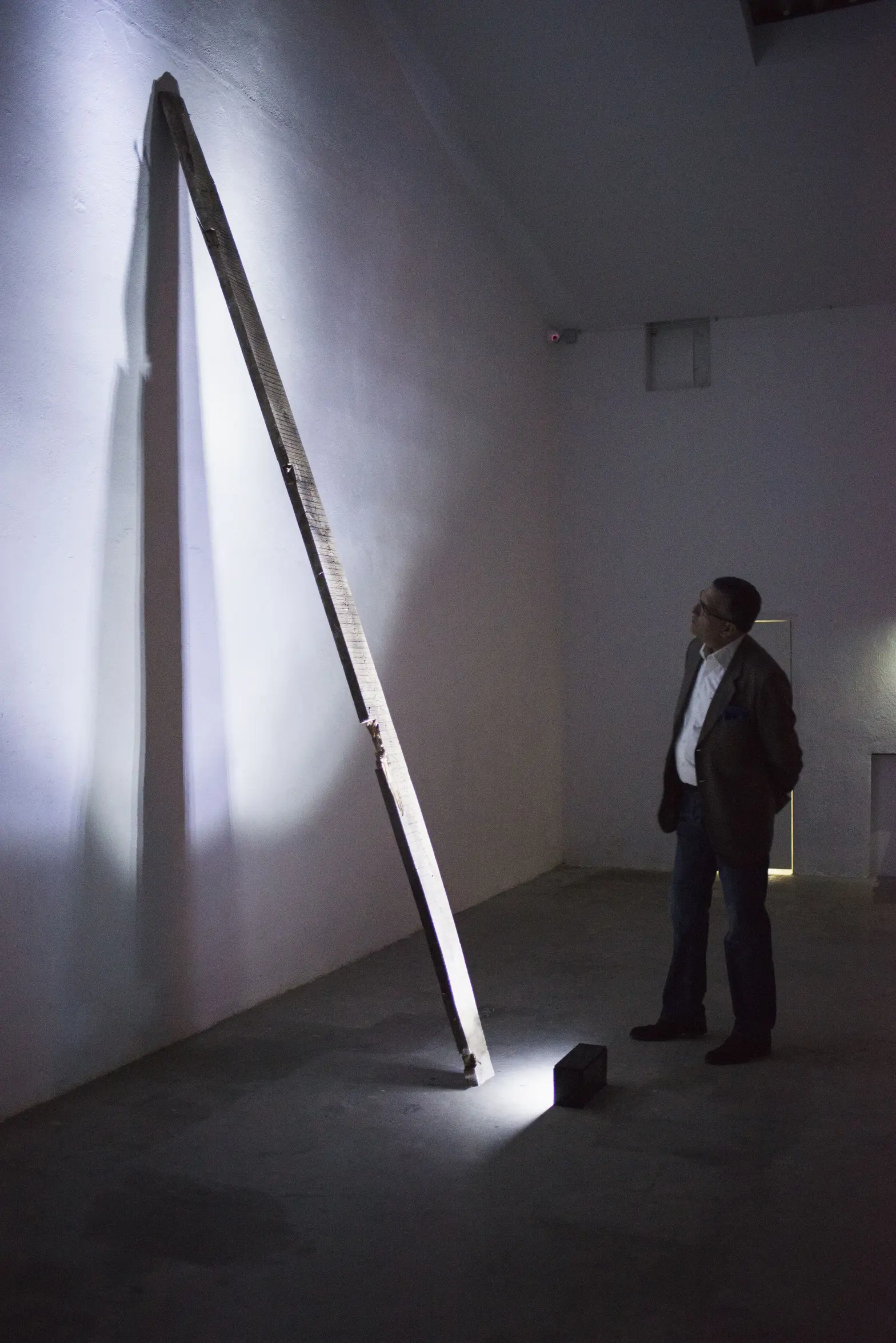
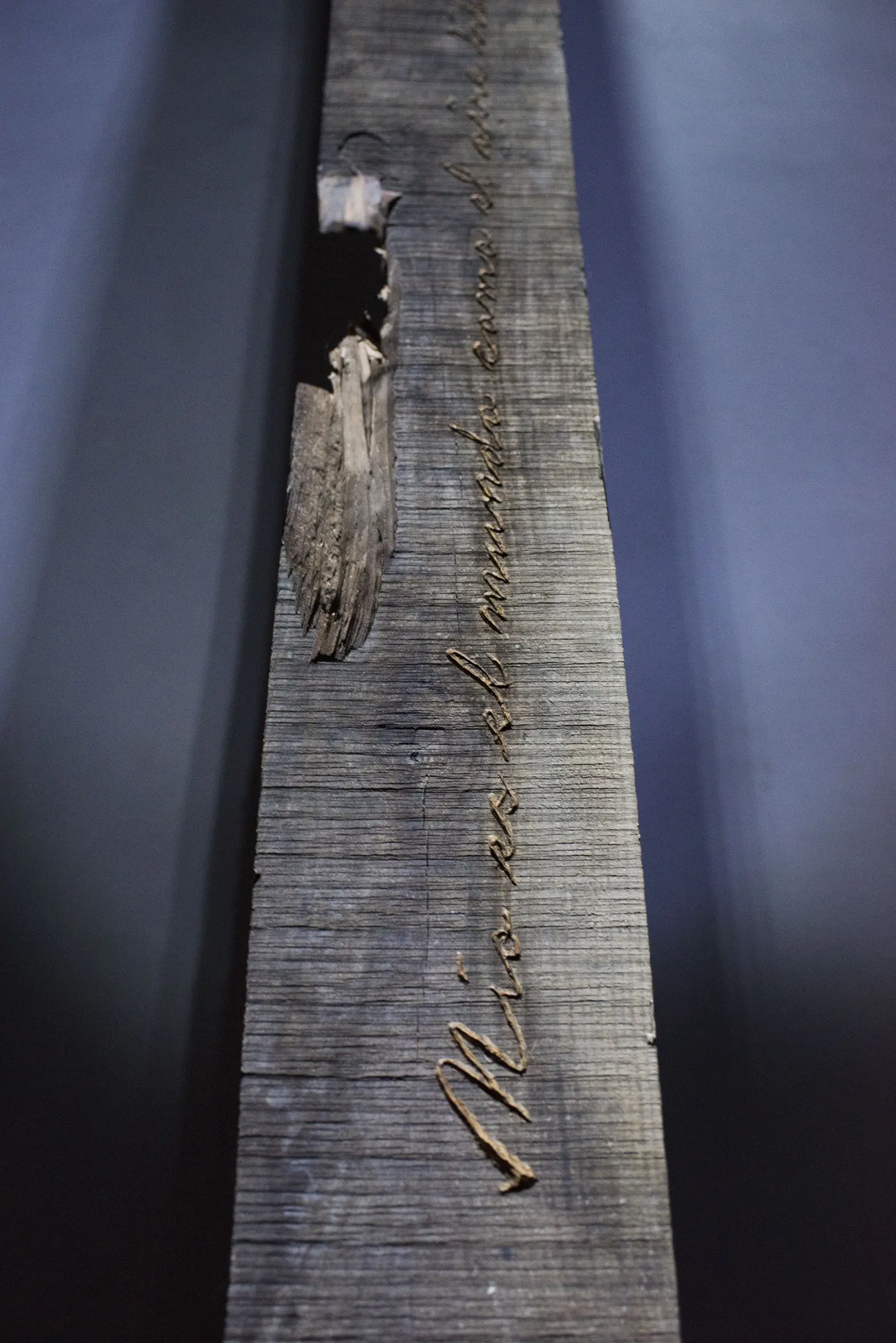
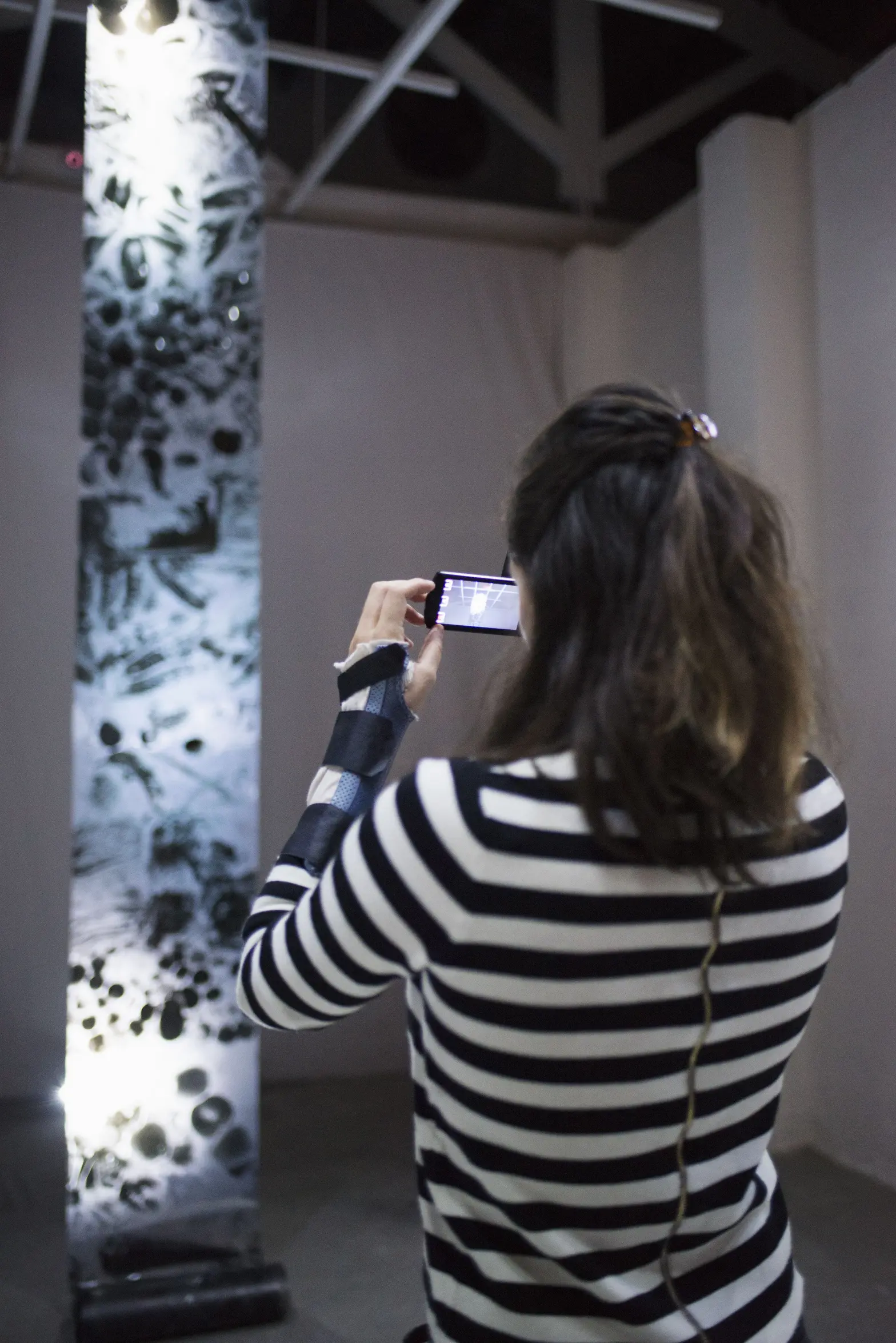
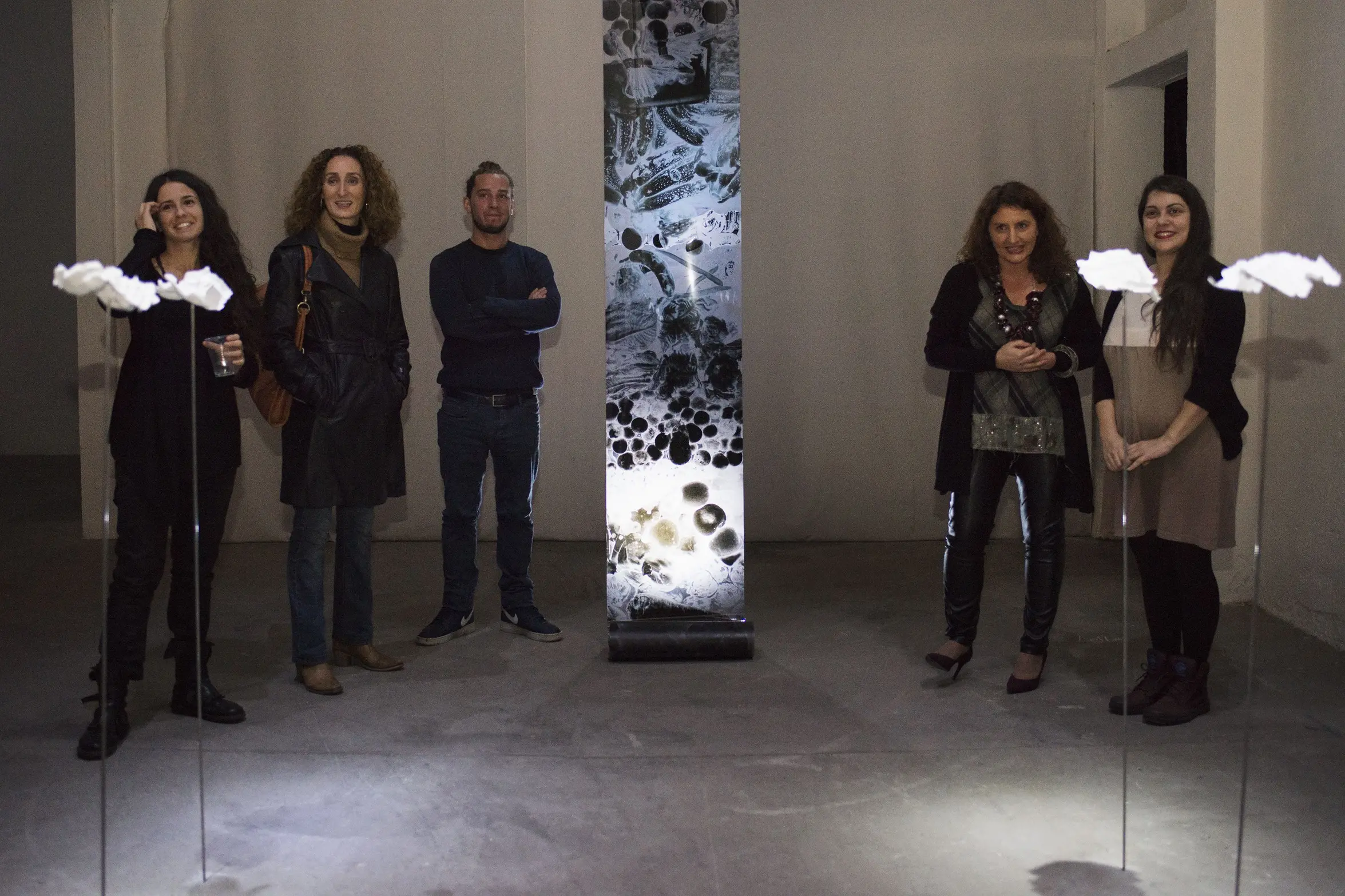
Leftover is the residue, the reject, the remains after a meal has been consumed or when the market is closed and its stalls are dismantled and overturned. Leftover is what is left, what carries the experience of a fragment of time. Grazia Amendola decided to encounter Barcelona through its local markets, talking to sellers, observing how fruits and vegetables are arranged to appear as desirable as possible and how the configuration of these places recalls the squared geometry of the city. The market is the place of meeting and exchange par excellence, crossed by everyday differences and habits. The market as a space for social interaction and negotiation, as well as in its economic extension, is the centre of this site-specific project for Espronceda, where the artist spent her residency period, presented as an open research. Recorded noises and voices from among the stalls enter the exhibition, introducing the vision of a large photographic installation. The technique deceives the spectator by giving the appearance of an extended x-ray of discarded fruits, while actually halting the vision at the surface, at the peel. Left#1, dropping vertically from the top, leans on the floor of the first room and, by allowing the spectator to approach, lets the body mirror itself on the opaque and reflective surface, blending into the portrayed objects. Rejects and residual elements inhabit the exhibition space — traces of the market, in a suspended time, ambiguous and similar to the moment when the sale has finished or is about to begin. In the large central room, two sculptural interventions, linked by material and vertical tension, converse from opposite edges while the centre is left empty for the visitor to step through. Left#2 is a precarious architecture of recycled wooden boxes, arranged as sellers leave them after emptying them or just before use. With its tower-like structure, it recalls the stacks of packing and transport of large-scale retail trade, referencing overproduction as one of the biggest causes of waste. Left#3 reuses a material from Espronceda’s warehouse. An overturned wooden scaffold board leaning against the wall is engraved with a verse by the poet whose name was given to the cultural centre.
Mío es el mundo como el aire libre. Otros trabajan porque coma yo.
(The world is mine, as free as air. Let others work that I may eat.)
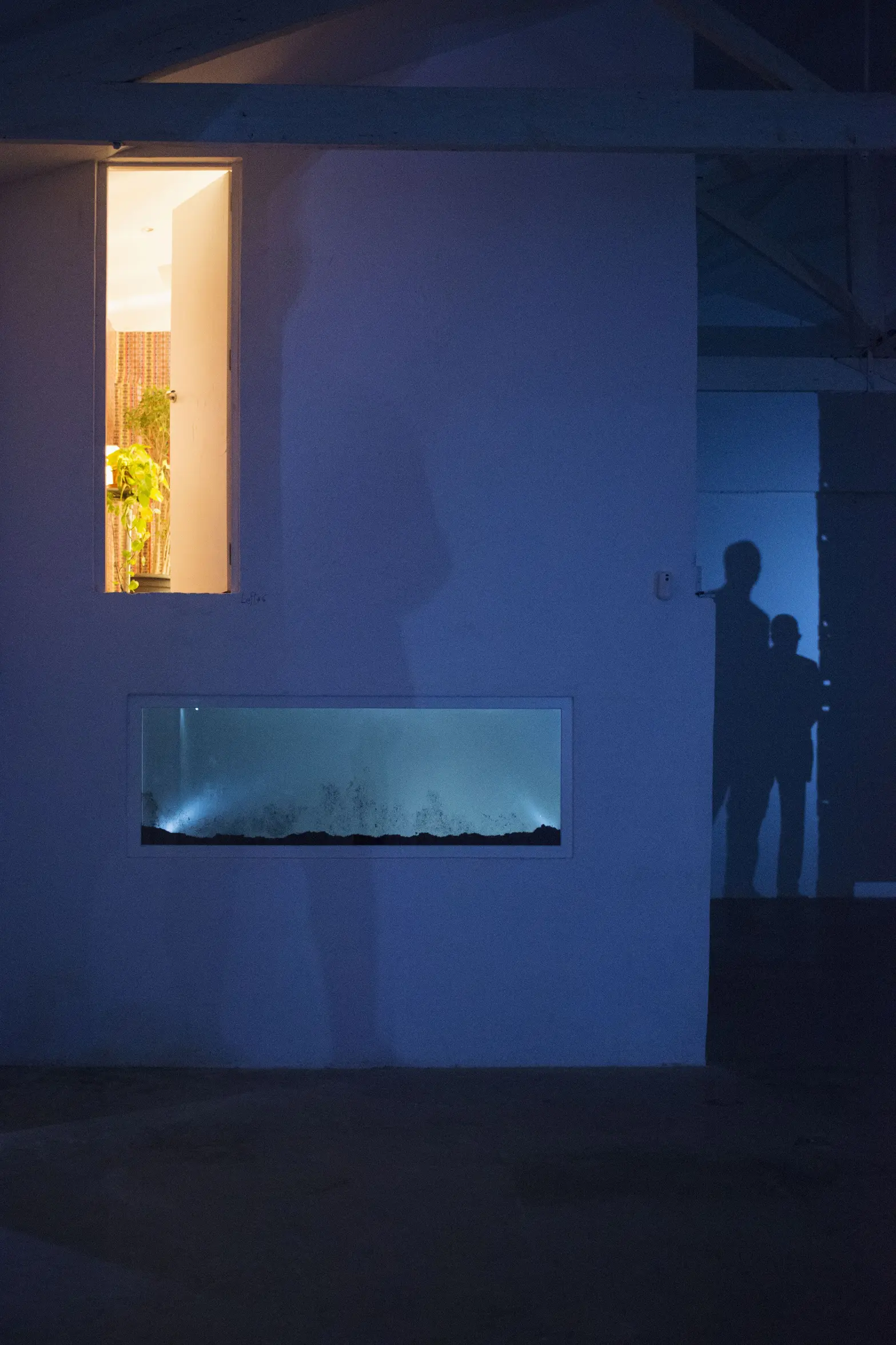
For quite some time the artist has reflected on food and related economies as a form of social control, exposed to regulations and rules that are often as far from common sense as from the sense of hunger. Freedom, desire and work coexist in the selected verse, opening considerations on food control — from the seed to large-scale food distribution — and on labour as a form of contemporary slavery. Amendola‘s interventions intercept and bring back the traces of those human gestures that are constituent parts of the market: in the collection of wooden boxes, in the fruits discarded at the end of the day because they are not beautiful enough to be sold, in the hands of its workers which the artist fixes through the plaster casts of Left#4. The market is first of all a place of work, a space of micro- and macroeconomics, crossed by those who have learned to grab the last discounted fruits at the end of the day, and by those who carry and sell heavy loads. For years, Amendola’s artwork has investigated the relationship between bodies and biological forms, looking at human beings as part of an ecosystem, placing emphasis on their actions and visions — often unaware but not free from consequences. Left#5, the installation placed in the smallest room, also refers to the human gesture on the environment. A window pane connects the two spaces, allowing only a view of mounds of earth on the floor of an overheated space; the thermal variation not only provokes an estranging experience for those passing through, but also makes the glass sweat, impeding a clear view. The last room opens above the central one, from where the view is only partially permitted — the spectator is in fact forbidden to go up and access it. A coloured wallpaper covering the walls can be distinguished: in Left#6, the repeated geometries of fruits and vegetables create a decorative pattern, converting into an apparent aesthetic eccentricity that visibly recalls the local floral style. This refined ambiguity interrogates the possibility of the artist to act on crucial contexts and issues such as wastefulness and global food control. Deliberately, Amendola presents — as often — a formal vision that pauses on evidence, aiming to open a free space for thought, toward which the first step is a necessary and discriminating attention requiring an obstinate will to look beyond the market stall or the supermarket shelf display. In these works, the artist continuously arranges obstacles to vision while repeatedly showing elements found during her research, partly reporting her experience of impossibility — during the residency — of accessing the back side of the markets, in the spaces dedicated to garbage. Permits, forms and online procedures seem necessary in order to observe and understand how the waste of Barcelona’s markets is treated, without success. The organic leftover thus becomes — almost ironically — a priceless material.
Giulia Crisci

https://www.facebook.com/events/672891819532819/

JOIN US

Please subscribe to newsletter to get updates from us.

We are using cookies to give you the best experience. You can find out more about which cookies we are using or switch them off in privacy settings.
AcceptPrivacy Settings

GDPR

This site is registered on wpml.org as a development site. Switch to a production site key to remove this banner.