Part of the European project E-ART →
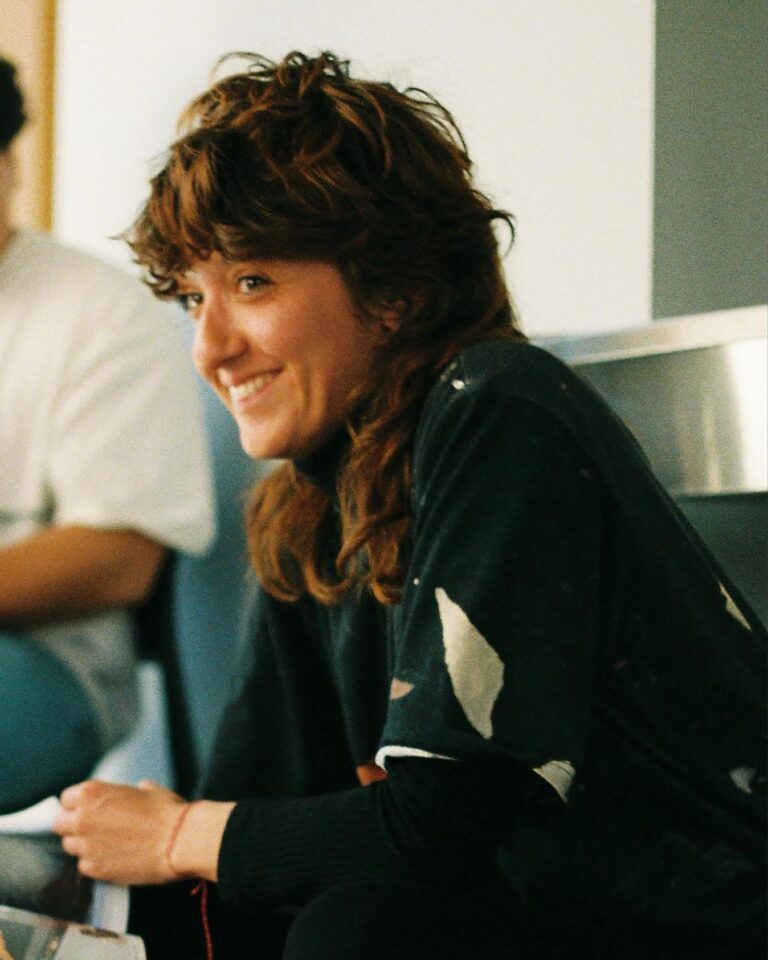
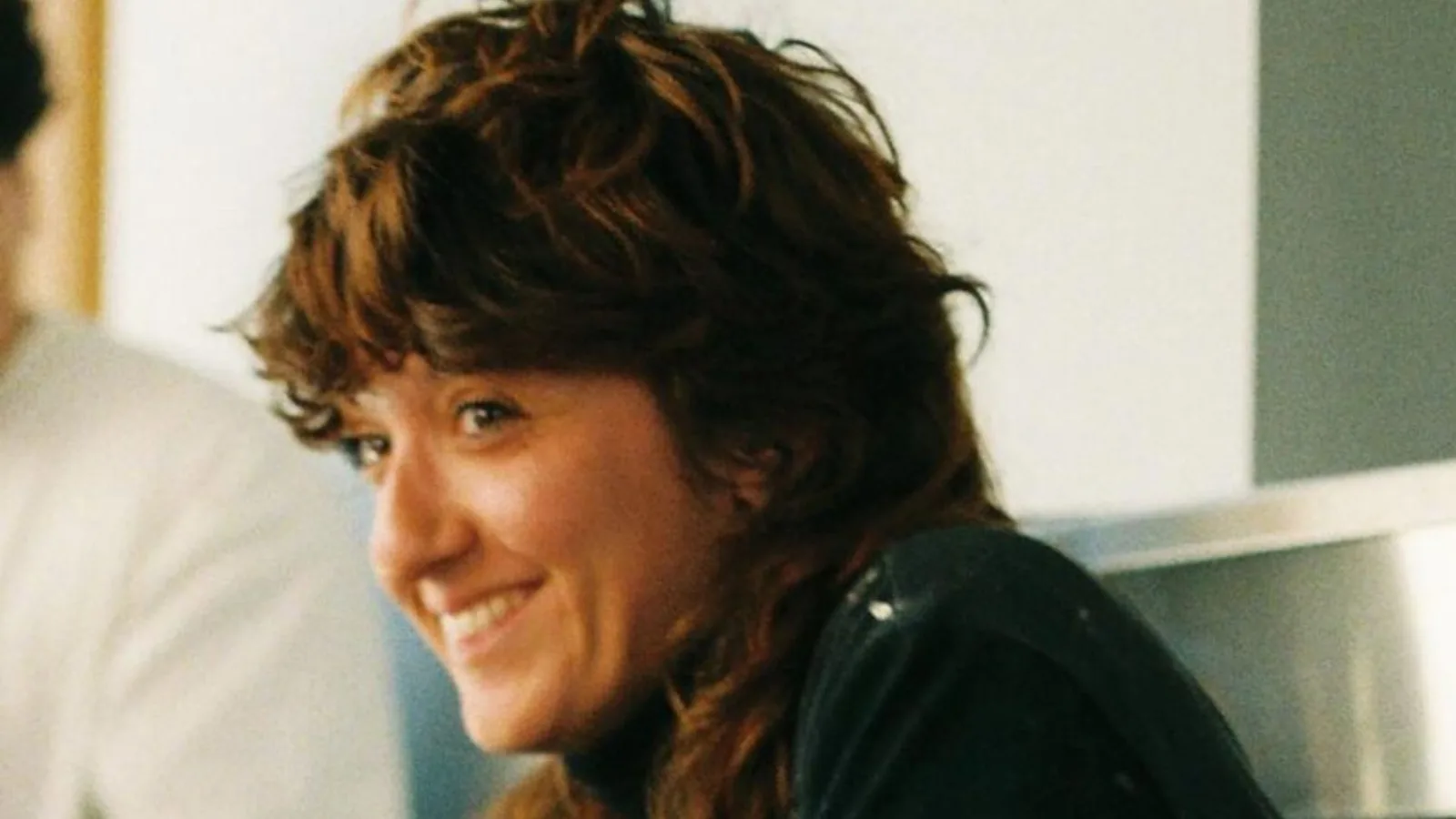
Manuela Valtchanova is an architect, researcher and professor. PhD in Aesthetics and Theory of Arts. Her area of work is based on the critical transaction between politics, space and affect, with a special interest in the possibilities of direct action. In her professional career, she carries out projects that address heterogeneous architectural and artistic formats between temporary interventions in public space and socio-spatial practices of collaboration and mapping. She has been visiting professor and guest lecturer at universities worldwide and she has published both specialized articles and book chapters, mainly addressing counterdisciplinary strategies through direct action, cartographies, embodied exploration and performative criticality.
In this conversation with architect, researcher, and professor Manuela Valtchanova, we explore how her multidisciplinary background in architecture, ephemeral design, and art theory informs a radically open, process-based approach to public space and ecological engagement. From her academic influences and personal experiences growing up in post-dictatorship Bulgaria to her participatory, site-specific projects like Anarchaeology of a Field, Manuela reflects on the power of artistic action as a catalyst for social, political, and environmental transformation. She discusses the critical role of doubt, contradiction, and creative obsession in shaping her practice, while offering a compelling vision for sustainability grounded in informal gestures, non-human agency, and collaborative reimaginings of space. The conversation unfolds as a deep meditation on how to activate resistance, imagination, and long-term emotional investment through artistic strategies that are as poetic as they are politically engaged.
How has your multidisciplinary background in architecture, theory, and design shaped your approach to public space?
My transition from architecture to a PhD in the Theory of Arts was driven by the work of curator Martí Perán. Under his mentorship, I experienced a “collapse of my comfort zone.” For five years, I immersed myself in art philosophy, a process I liken to “post-Balkan syndrome”—where trauma and the frustration of pushing beyond intellectual limits become catalysts for creativity. This training taught me to look at public space not just through physical structures, but through the narratives and ideological tensions that define them.
What motivates you to operate at the intersection of art, activism, and urbanism rather than traditional frameworks?
My motivation stems from the deep contradictions of my upbringing in post-dictatorship Bulgaria—memories of queuing for bread while dreaming of Western symbols like Barbie or McDonald’s. This internal struggle followed me to Barcelona, where my lived experience often collided with local ideologies. I began questioning architecture as a political tool for “social hygiene.” I am fascinated by the phenomenology of activism: how direct, informal interventions in urban spaces can activate social and political dynamics that traditional academic or architectural frameworks cannot reach.
How do you define sustainability as a practitioner—ethically, artistically, or methodologically?
I see sustainability as a virus of everyday gestures. It is about how small acts of resistance, imagination, and desire can become contagious and more impactful than top-down power interventions. Methodologically, it involves “suspending privilege”—using our position as creative professionals to activate other agents. Most importantly, it requires a non-anthropocentric vision, recognizing that we inhabit a network of human and non-human realities. Sustainability is about transforming our collective exhaustion and anxiety into moments of creative empowerment.
Can you tell us about the “Anarchaeology of a Field” project and its connection to community agency?
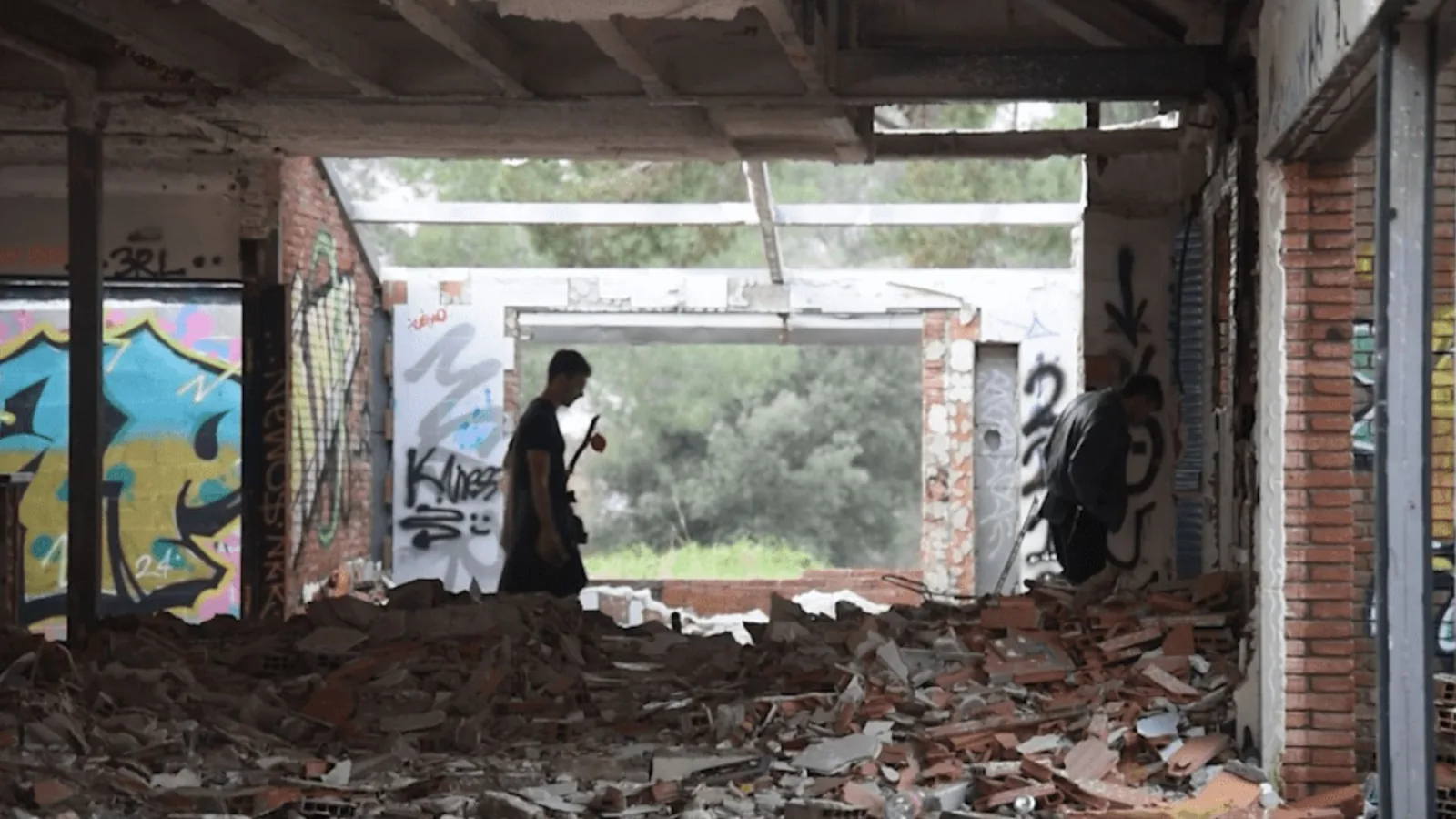
The project focused on an abandoned golf course in Sant Cugat, a site representing class tension and ecological stillness. I chose to move artistic production out of the museum and into this neglected space.
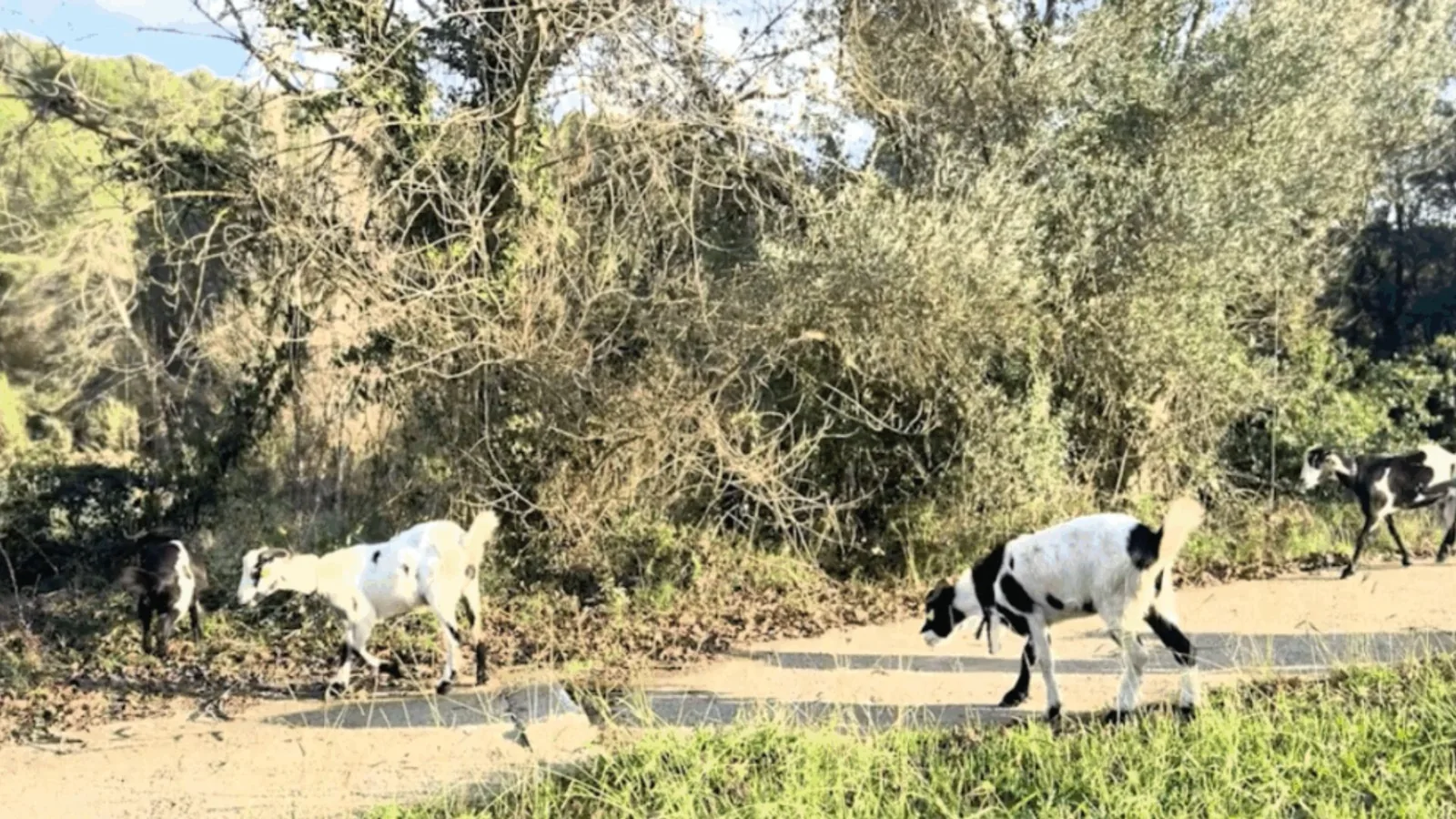
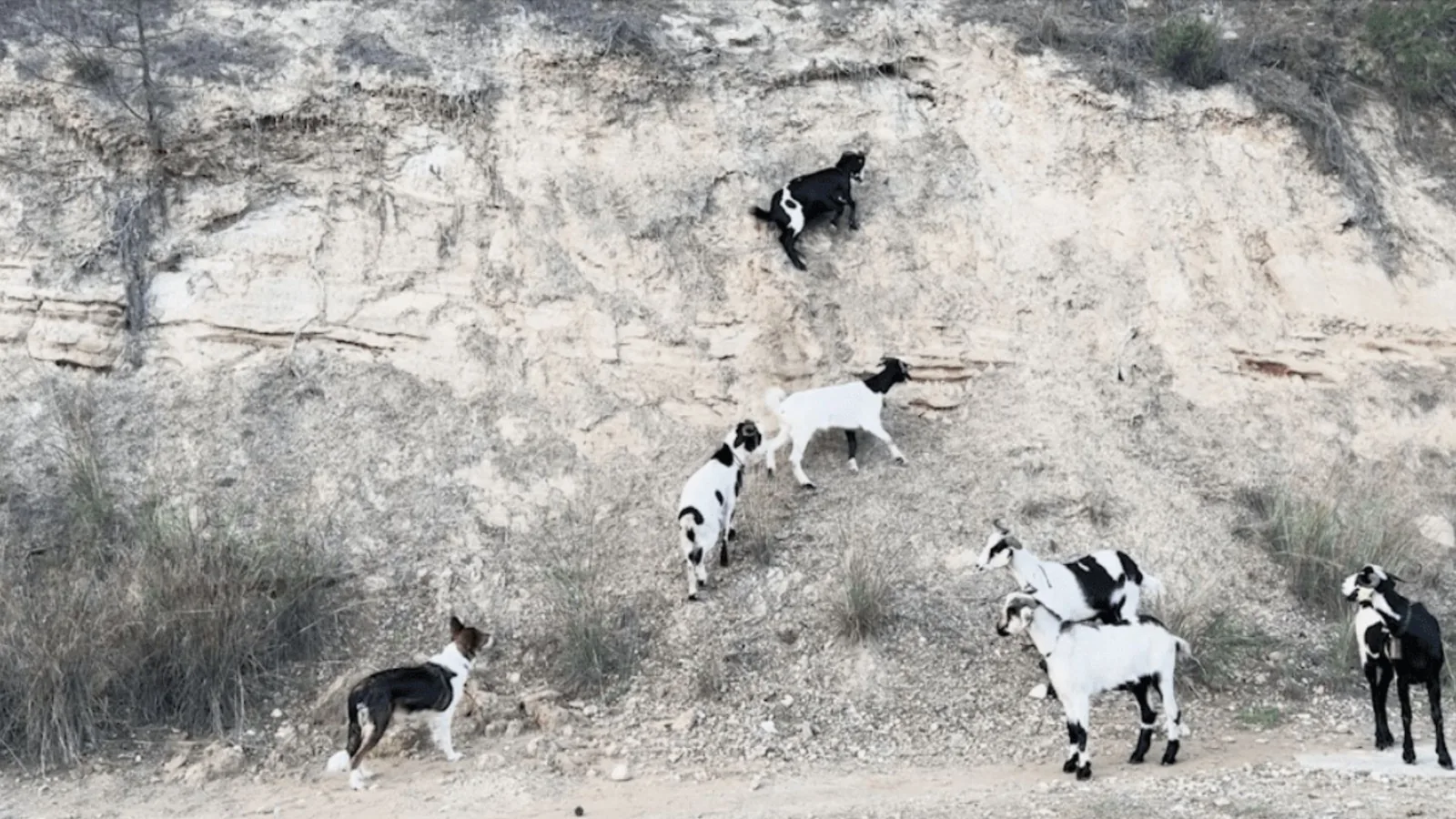
Act 1 (The Herd): I used the project budget to bring a shepherd and seven goats to the site. We tracked the goats via GPS, turning their instinctual, non-human movements into sound compositions. This was a way to “hack” the human-centric algorithms of digital mapping.
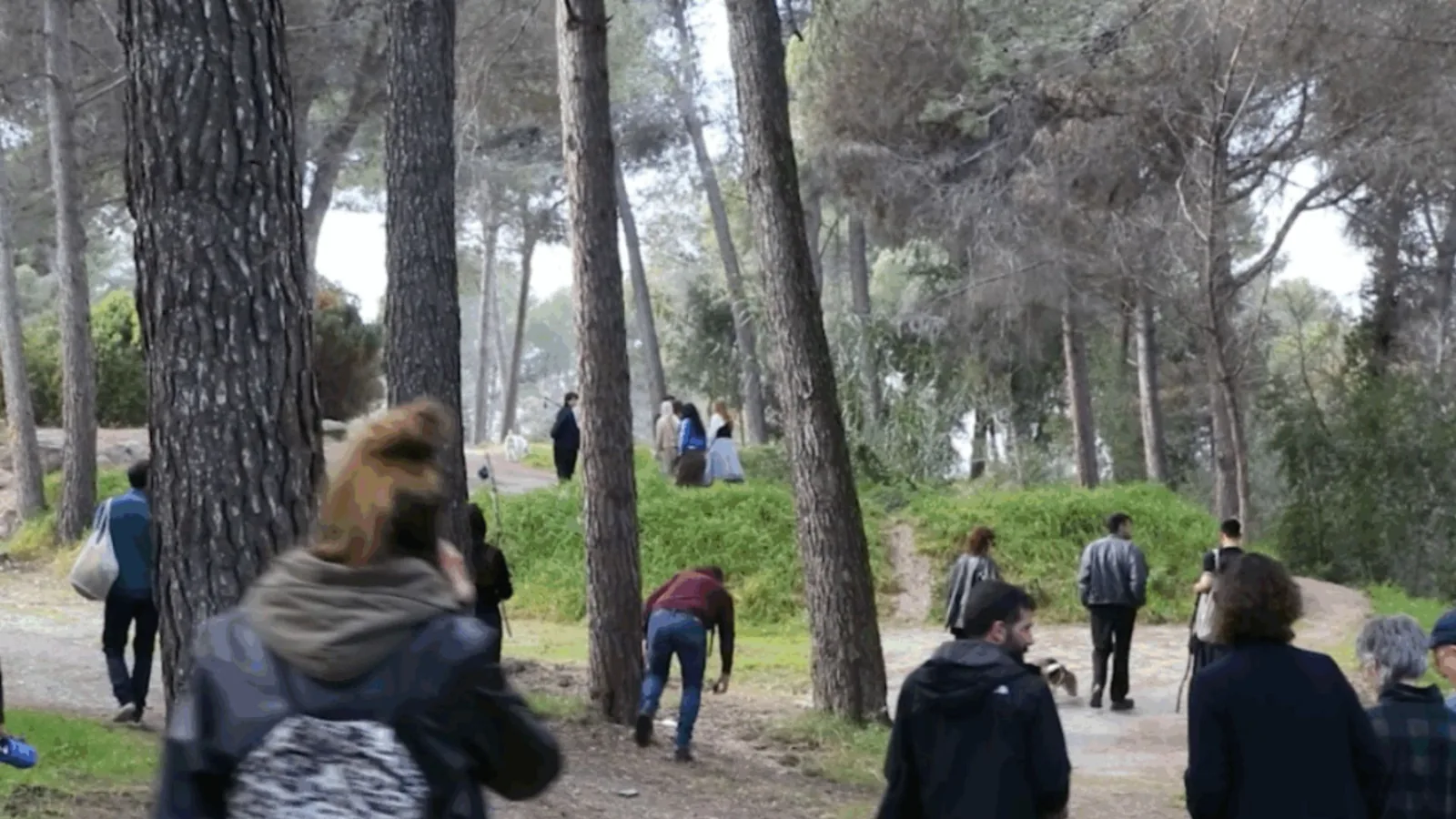
Act 2 (The Party): We held a participatory event where 48 people entered the fenced site, carrying speakers playing the goat-generated sounds. It was a form of “pleasure-based wandering” that reclaimed the right to move without a productive purpose, dissolving social boundaries and surveillance logic through collective, chaotic joy.
Please subscribe to newsletter to get updates from us.
Free invitations to our openings, open calls for artists and our programme, before anyone else.